Wilder than Bridgerton: inside the scandalous world of Georgian masked balls
The Bridgerton fashion for the Georgian era has popularised an alluring but largely sanitised view of 18th-century social life. A new piece compiled by HistoryExtra traces the actual archival record to show something different: how Georgian masked balls in 18th-century Britain loosened social, cultural and sexual codes.
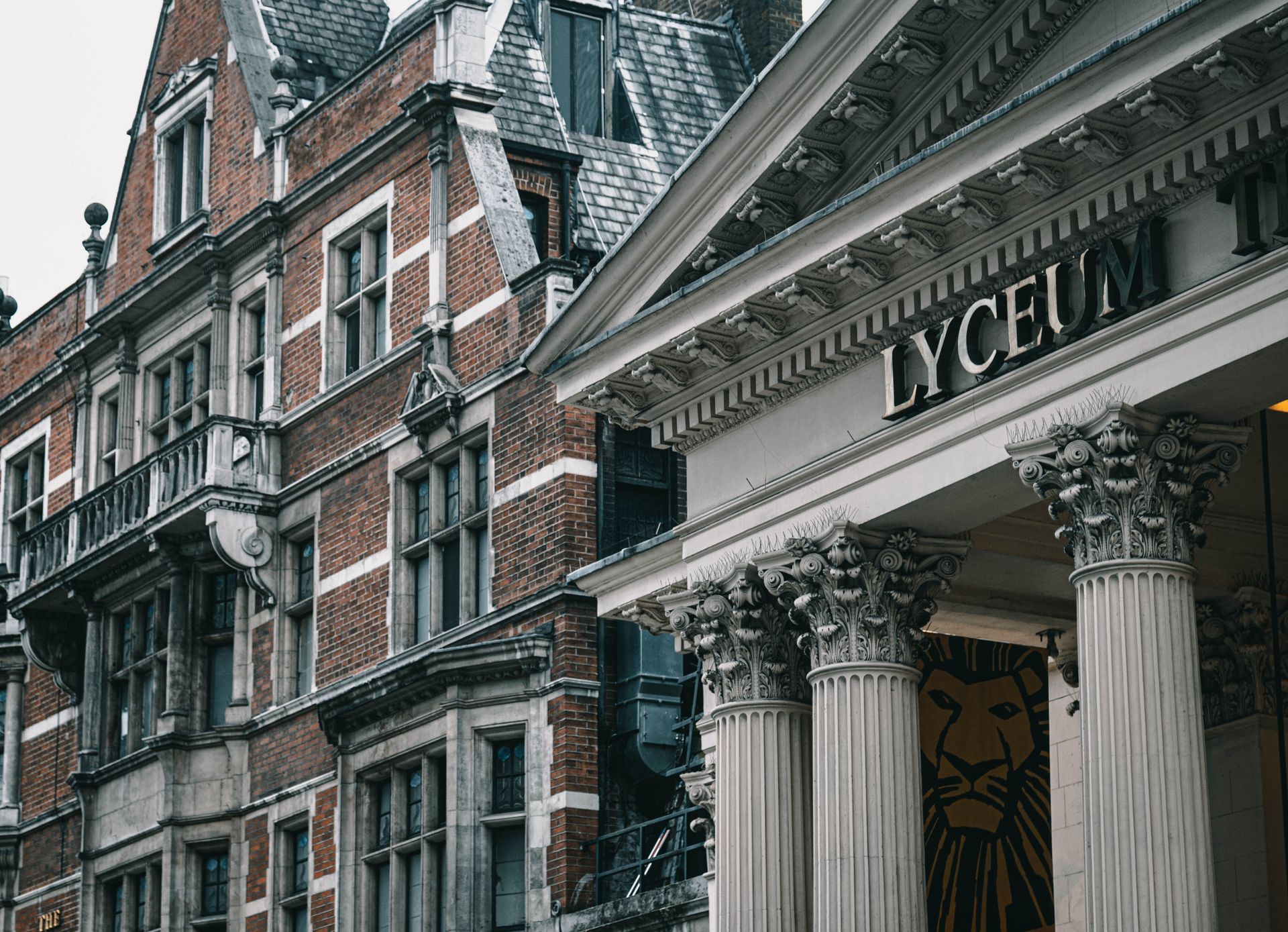
The best-known venues included London's King's Theatre, the Pantheon and Vauxhall Gardens. The masked balls held there drew thousands of attendees, tickets were sold through newspaper notices and the strict dress and behaviour codes of polite society were temporarily set aside. These masquerades flourished as a cultural form from the 1720s to the 1790s.
A distinctive feature of Georgian masked balls was that aristocrats and the middle classes shared the same room, with masks temporarily blurring class distinctions. Work by the historian Cindy McCreery documents accounts of aristocrats dressed as servants and servants dressed in aristocratic finery. This role reversal can be read as a light but real threat to the era's social order.
Loosening sexual conventions was one of the most discussed dimensions. The anonymity given by masks let women speak openly with men and make bolder choices. The contemporary newspaper Common Sense, in its issues from 1738, carried hinted reports of married women seeking different company at the balls. The record shows that this could turn into a public scandal in some cases.
Moral objections to the masquerades are easy to trace. From the 1750s onwards, Anglican preachers gave sermons describing masked balls as the devil's entertainment. Work by Vic Gatrell notes that even when the royal family attended, pamphlets warning of dissolution were in circulation. Critiques also referred to the mixing of categories of person that the masquerade enabled.
Costumes were the most visible axis of fun: Turkish pashas, Chinese officials, mythological gods and priests were among the most common impersonations. Ancient Egyptian or Moorish themes are noted by historians as reflecting the colonial imagination of the period. The theme continues to be the subject of comparative study in European museum costume collections.
Musicians played their own role. Composers including Charles Avison and Thomas Arne wrote bespoke pieces for masked balls. The transition of music from minuet to country dance over the course of the night signalled when the crowd was expected to be more formal and when it was to relax. This musical dramaturgy was an important part of period-specific social performance.
Outside Britain, similar masked balls continued in Paris, Venice and Vienna with even older roots. The Venice carnival is recorded as the longest-lived ancestor of the modern masquerade. The British Georgian version is treated as the more commercialised, mass-accessible form of the Continental traditions.
In the early 19th century, as Victorian middle-class values matured, masked balls slowly disappeared. The closure of the Pantheon in the 1810s and the shifting clientele of Vauxhall Gardens are cited as symbols of this decline. Masquerades were replaced by the more tightly choreographed assembly balls and small gatherings in private homes.
In the broader picture, the dossier compiled by HistoryExtra is a reminder that the Georgian era was a more complex social stage than commonly thought, marked by cross-class transit and significant moral debate. Bridgerton's romantic accents present a stylised tableau when set against the contradictions of the actual record. This account draws on historians' assessments; the writing responsibility lies with the author.
Read next

The temples of Old Pune: a stone-carved record of Maratha heritage
Atlas Obscura examines how the temples of Pune's old quarters preserve a record of Maratha political and architectural heritage stretching from the 17th to the 19th century. The piece sets out how the layout of neighbourhoods and the network of temples have shaped the city's historical memory.

The seaborne invasion: the forgotten heroes of D-Day and Operation Neptune in the battle for Normandy
HistoryExtra examines Operation Neptune, the often-overshadowed naval side of D-Day, and the role of the Allied fleets in landing forces on the Normandy beaches and establishing the front line. The piece draws on archival records to set out the technical and human contributions of the sailors and engineers.

St George's Guildhall in Norfolk: one of England's oldest surviving medieval guild buildings
Atlas Obscura profiles St George's Guildhall in the Norfolk town of King's Lynn, England, which has stood since the fourteenth century. It is also known as the only surviving medieval building in which Shakespeare is believed to have performed.

Curse of the copycats: inside history's biggest plagiarism scandals
HistoryExtra surveys the biggest plagiarism scandals in the history of literature, science and art. From Shakespeare to Newton, accusations of intellectual borrowing have remained a persistent part of cultural memory.

Save the home or save the pub? How Northampton's 1675 fire forced a strange choice
HistoryExtra revisits the Great Fire of Northampton in 1675, when the town that suddenly faced ruin had to choose between saving private homes and saving its pubs. The episode sheds light on the early origins of modern fire-fighting and insurance.
