The temples of Old Pune: a stone-carved record of Maratha heritage

Pune, in the Indian state of Maharashtra, is often identified today with the technology and education sectors of modern India, but its old quarters continue to carry an architectural and political heritage stretching from the 17th to the 19th centuries. A new dossier compiled by Atlas Obscura looks at the symbolic weight carried by the temples tucked into those old streets.
Pune's rise into history accelerated in the late 17th century, when it became the second capital of the Maratha confederacy. The chief ministers of the Maratha Confederacy, known as the Peshwas, used the city as their official seat of government from 1714 to 1818. The urban planning from that period survives in the form of neighbourhood units known as peths.
Most of the temples in the city belong to the main currents of the Hindu tradition, but the architectural language of the structures carries the distinctive Hemadpanthi (dry-stone, mortar-less) and Maratha-Peshwa hybrid styles of the period. Atlas Obscura's piece notes that the Kasba Ganpati Temple in the Kasba Peth neighbourhood is one of the principal examples in which these styles can be read side by side.
Kasba Ganpati was commissioned in the 17th century by Jijabai, the mother of the Maratha founder Shivaji, and is still treated as Pune's gramadevta (local guardian deity). The first silver chariot of the city's Ganesh Festival celebrations begins its journey from this temple. Inside, a simple but meaningful sabhamandapa (assembly hall) defines the layout.
Another important structure highlighted in the dossier is the Trishund Ganpati Temple. The building was completed in 1754 and is presented as an ambitious example of ceremonial Maratha temple architecture, with fine stone craftsmanship, three elephants and elaborate depictions of deities. According to Atlas Obscura, the underground level of the temple was designed in keeping with the period tradition to house a samadhi, the founder priest's tomb.
The distribution of temples across the city reflects the social organisation of the Peshwa period. Each peth had its own guardian temple, water source and market place; that organisation shaped the early-period neighbourhood plan of the city. British rule and urban growth in the 19th century altered that structure, but the basic architectural trace can still be read.
On architectural conservation, the Pune chapter of INTACH (Indian National Trust for Art and Cultural Heritage) runs a restoration programme for the temples in the old peths. The programme's objectives include training in traditional techniques and the preservation of the surrounding street fabric. INTACH's 2024 report found that only 47 percent of the historic street scale around Pune's central temples remained undisturbed.
Pune's temples also carry traces of the 19th-century Anglo-Maratha Wars. The First Anglo-Maratha War took place between 1775 and 1782, and the third and final war between 1817 and 1818; at the end of the third war, the Peshwa regime came to an end and the British East India Company took over the administration of the city, redrawing the political map of Pune.
On the digital side, the History Department of Pune University and the Shivaji Marathvada Centre for Historical Studies have launched a project to produce three-dimensional digital models of the neighbourhood temples. The models will be used both as academic research resources and as material for tourism. The project is targeting an initial publication wave in autumn 2026.
The Atlas Obscura dossier emphasises that Pune's temples are not only religious structures but living sources of the political, social and architectural memory of the Maratha period. Under the rapid urbanisation pressures of modern India, the preservation of this heritage remains an important item on the agenda of both local government and international heritage bodies. This account draws on historical and architectural sources.
Read next

The seaborne invasion: the forgotten heroes of D-Day and Operation Neptune in the battle for Normandy
HistoryExtra examines Operation Neptune, the often-overshadowed naval side of D-Day, and the role of the Allied fleets in landing forces on the Normandy beaches and establishing the front line. The piece draws on archival records to set out the technical and human contributions of the sailors and engineers.
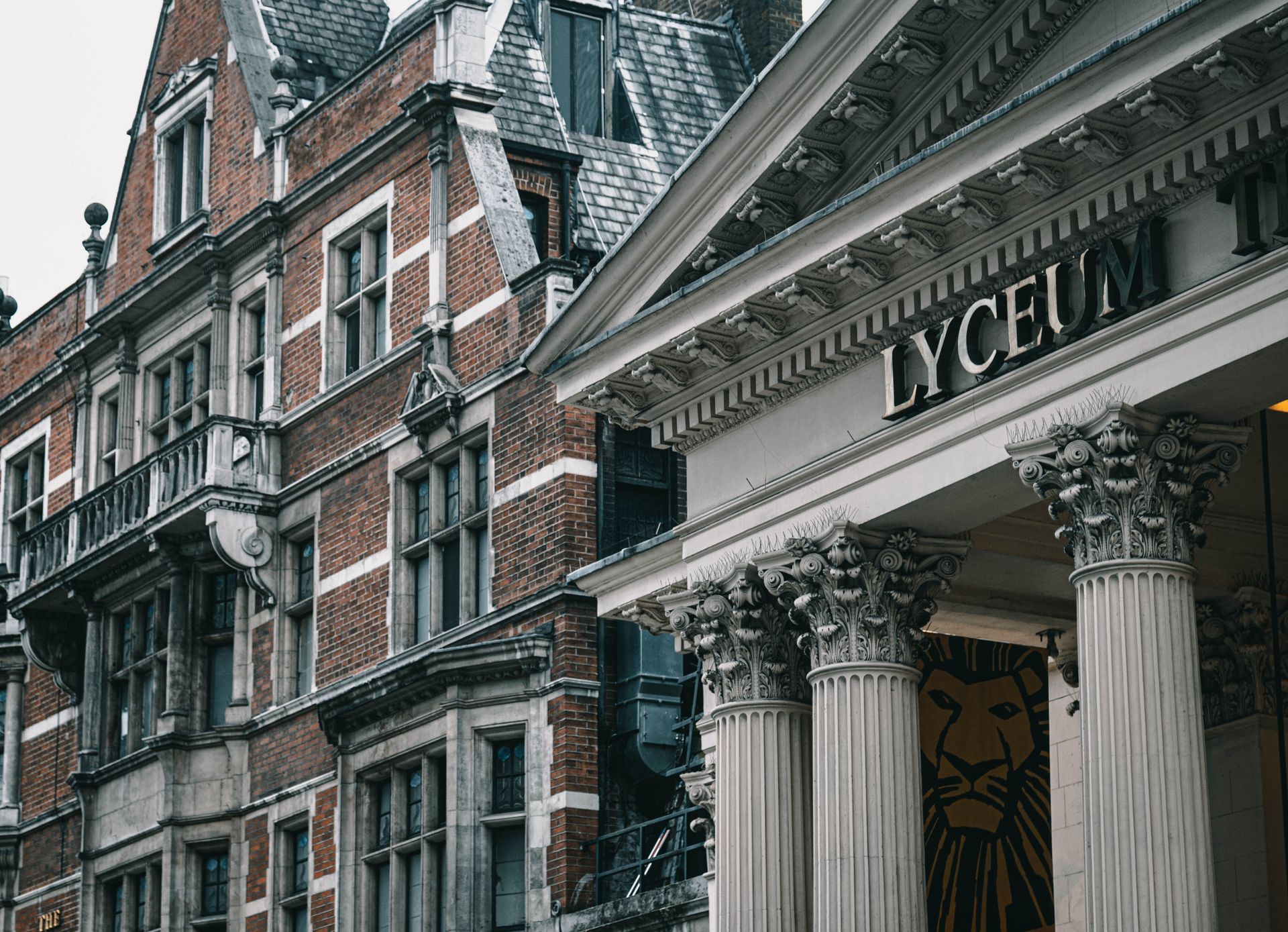
Wilder than Bridgerton: inside the scandalous world of Georgian masked balls
HistoryExtra explores how the Georgian masked balls of 18th-century Britain loosened social, cultural and sexual codes. The piece compiles archival records to show the complex interactions that thrived under anonymity, well beyond the polite romance of the Bridgerton television series.

St George's Guildhall in Norfolk: one of England's oldest surviving medieval guild buildings
Atlas Obscura profiles St George's Guildhall in the Norfolk town of King's Lynn, England, which has stood since the fourteenth century. It is also known as the only surviving medieval building in which Shakespeare is believed to have performed.

Curse of the copycats: inside history's biggest plagiarism scandals
HistoryExtra surveys the biggest plagiarism scandals in the history of literature, science and art. From Shakespeare to Newton, accusations of intellectual borrowing have remained a persistent part of cultural memory.

Save the home or save the pub? How Northampton's 1675 fire forced a strange choice
HistoryExtra revisits the Great Fire of Northampton in 1675, when the town that suddenly faced ruin had to choose between saving private homes and saving its pubs. The episode sheds light on the early origins of modern fire-fighting and insurance.
