McGill study supercharges 'natural killer' immune cells to fight aggressive cancers
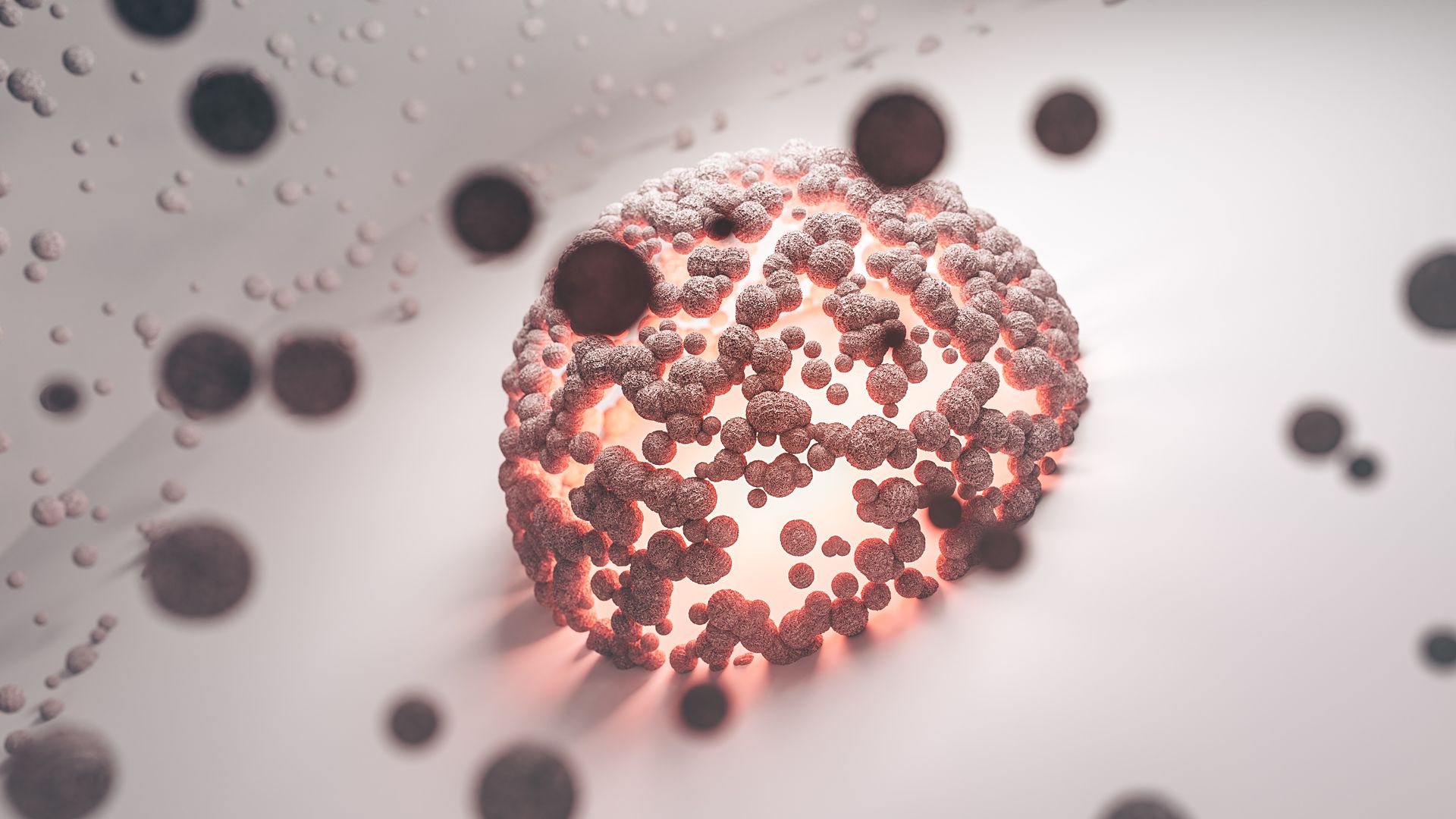
Researchers at McGill University have reported developing a method that supercharges the immune system's natural killer (NK) cells, helping them break through the defences tumours use. According to the study reported by Science Daily, the approach rests on temporarily blocking two proteins.
Natural killer cells are known as one of the immune system's first lines of defence that target infected or cancerous cells. These cells have the ability to recognise and eliminate cells in the body that deviate from the norm. Tumours, however, can over time develop defence mechanisms that reduce the effect of these cells.
The core idea of the study is to temporarily disable two proteins that limit the effectiveness of NK cells. According to Science Daily, this intervention made the cells far more effective against the defences tumours use. The researchers observed that these supercharged cells performed better against difficult cancer types in the laboratory.
Among the cancer types highlighted in the study are leukaemia, glioblastoma, kidney cancer and triple-negative breast cancer. These cancers are regarded as particularly difficult in medicine because they can be resistant to existing treatments. New immune-based approaches are part of the search for alternative options in this area.
Immune-based cancer treatments have become a significant area of research in recent years. The idea of directing the body's own defence system to fight cancer forms the basis of various treatment approaches. Boosting NK cells is also assessed within this broad framework.
Findings of this kind, however, require a long process before they reach patients. Whether results obtained in the laboratory also hold in humans has to be tested through clinical trials. Safety, the correct dose and possible side effects form the central questions of that process. The information in this article is general in nature and is not a substitute for medical advice.
The 'temporary' blocking of the proteins is one of the notable aspects of the approach. While permanent interventions can lead to unwanted outcomes in the immune system, a temporary and controlled intervention aims for a more balanced effect. According to the researchers, that balance could be an important element for the safety profile of the method.
In evaluating scientific work, understanding what stage the findings are at is critically important. This research is still an early-stage laboratory finding; validation and development steps are needed for clinical use. For that reason the results are presented as a promising direction, not as an established treatment.
In cancer research, steps of this kind matter for diversifying treatment options and developing new strategies for resistant cases. A single study often advances as part of a larger research network, and its ultimate impact is understood over years. Within that frame, patience and rigorous validation are inseparable parts of the scientific process.
In summary, the McGill team's work carries the potential to open a new door against difficult cancers by boosting immune cells. Whether the findings will translate into clinical value will be determined by future research. This article is for information purposes and is not a substitute for personal medical advice for any treatment decision; health decisions should always be made in consultation with a physician.