AI companies urge US Congress to enact DNA biosecurity safeguards
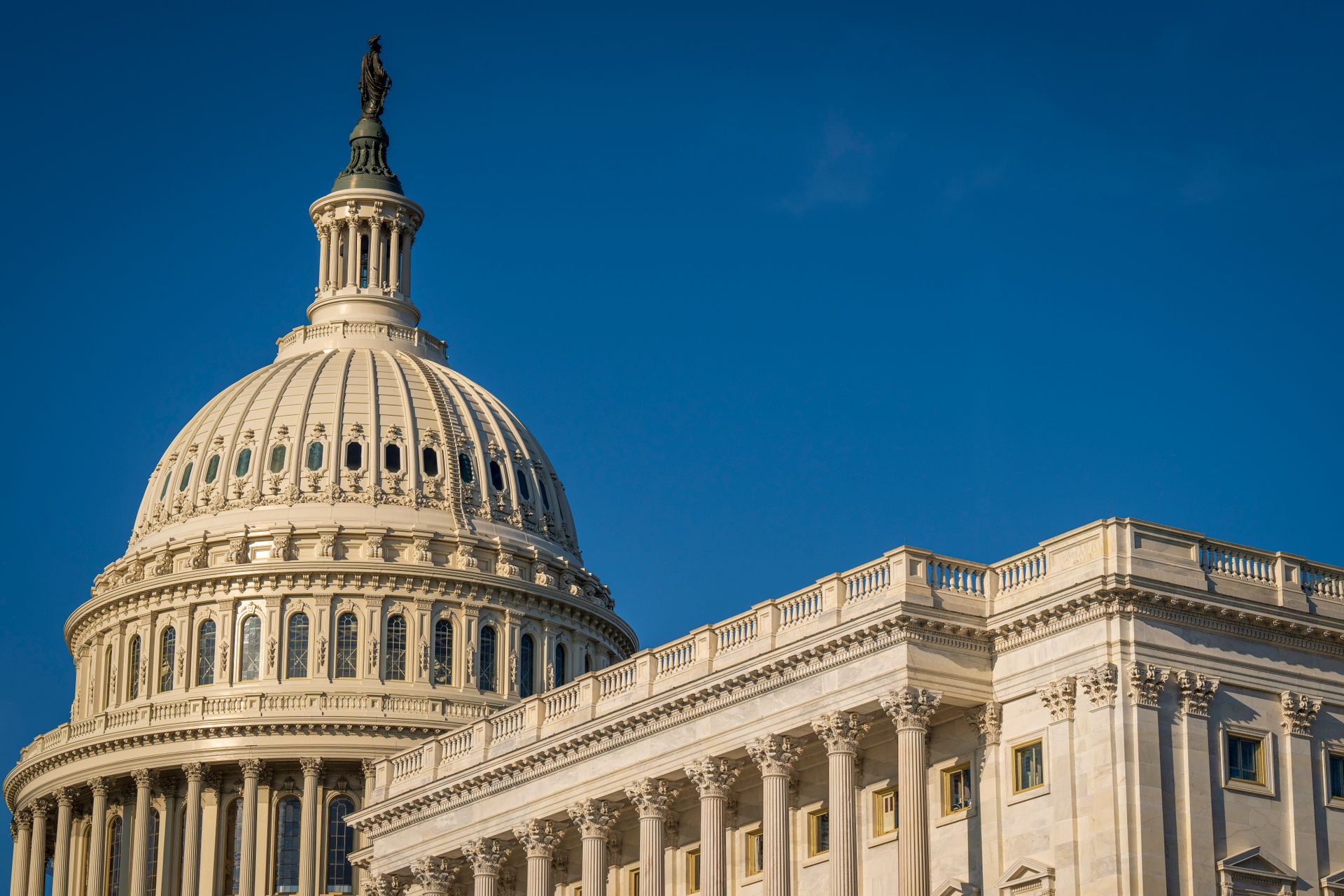
In its 4 June 2026 biotech newsletter, STAT News reports that leading AI companies are urging the US Congress to enact stronger oversight of synthetic DNA orders. The call represents a new phase in the long-running biosecurity discussion at the intersection of AI and biological research.
STAT's report notes that the physical materialisation of AI-generated genetic sequences into laboratories happens through synthetic DNA orders. According to industry representatives, pre-screening of those orders is the central way to reduce misuse risk, and STAT writes that a concrete Congressional move is on the table to make that standard the law.
Behind the call sits a coalition that includes the joint signatures of OpenAI, Anthropic and other major AI organisations. STAT reports that the coalition's demand is for synthetic DNA manufacturers to be legally required to run screens that detect pathogenic sequences. Some manufacturers already apply such screening voluntarily, but no legal framework is in place.
STAT's report indicates that the potential legislation in front of Congress is seeking bipartisan support. Joint sensitivity between the Republican and Democratic sides on security topics has shaped the bipartisan biosecurity policy debate in recent years in the US. STAT notes that industry representatives express satisfaction with that inclusive approach.
On the technical side of the regulatory process, defining which sequences should be considered risky is a leading question. STAT's account underlines that the concept of 'dual-use research' has been debated by scientists for many years, with some sequences serving both beneficial and harmful purposes. How much of that nuance the draft legislation captures will be closely watched by the academic community.
On the industry side, synthetic DNA manufacturers are also updating their own standards. STAT's report notes that members of the International Gene Synthesis Consortium have applied a voluntary screening protocol for years, but Congressional regulation could put a broader requirement in place. That step is aimed at bringing smaller producers, currently outside the scope, under oversight as well.
On the AI side, the debate is far from settled regarding what biological knowledge models can access. STAT's account reports that some researchers say the biological design capability of current AI models is overstated; others stress that potential risks should be taken seriously as AI capability advances in the coming years.
The international dimension is another factor to weigh. STAT reports that the global impact of US-issued regulation depends on the structure of international synthetic DNA trade. Regulatory frameworks in the European Union and the United Kingdom also provide a foundation for parallel rules.
The likely Congressional timeline remains unclear in STAT's report. The speed of the legislative process could change in line with competing policy priorities and the midterm electoral calendar. Industry representatives have voiced a target of seeing the regulation enacted within the coming year, but the process must clear multiple committees.
STAT News notes that calls for regulation from within an industry are unusual, and writes that the AI organisations are signalling proactive intent on biosecurity. In the coming months, both the legislative side and academic communities will closely watch the drafting process. This article is not medical advice.
More from Health

The thymus: a long-overlooked organ tied to healthy ageing and longevity
Researchers at Mass General Brigham used AI to analyse CT scans from tens of thousands of adults and found that people with healthier thymuses lived longer and had substantially lower risks of heart disease, cancer and death, according to Science Daily Health. The finding reframes an organ once thought to fade in importance after childhood.

Hospitals in England ranking high for empathy show better patient outcomes
According to the Guardian, the first study to rate NHS trusts in England by an empathy score found that higher-ranked organisations also see better patient outcomes, improved staff wellbeing and lower agency-staff costs.

Cambridge team tests world-first vaccine designed by artificial intelligence
According to the BBC, Cambridge scientists say they have tested a vaccine designed by artificial intelligence on humans for the first time. The trial is being presented as an early clinical demonstration of AI-assisted drug design.