Kelmarsh Tunnels: a quiet witness to England's abandoned railway infrastructure
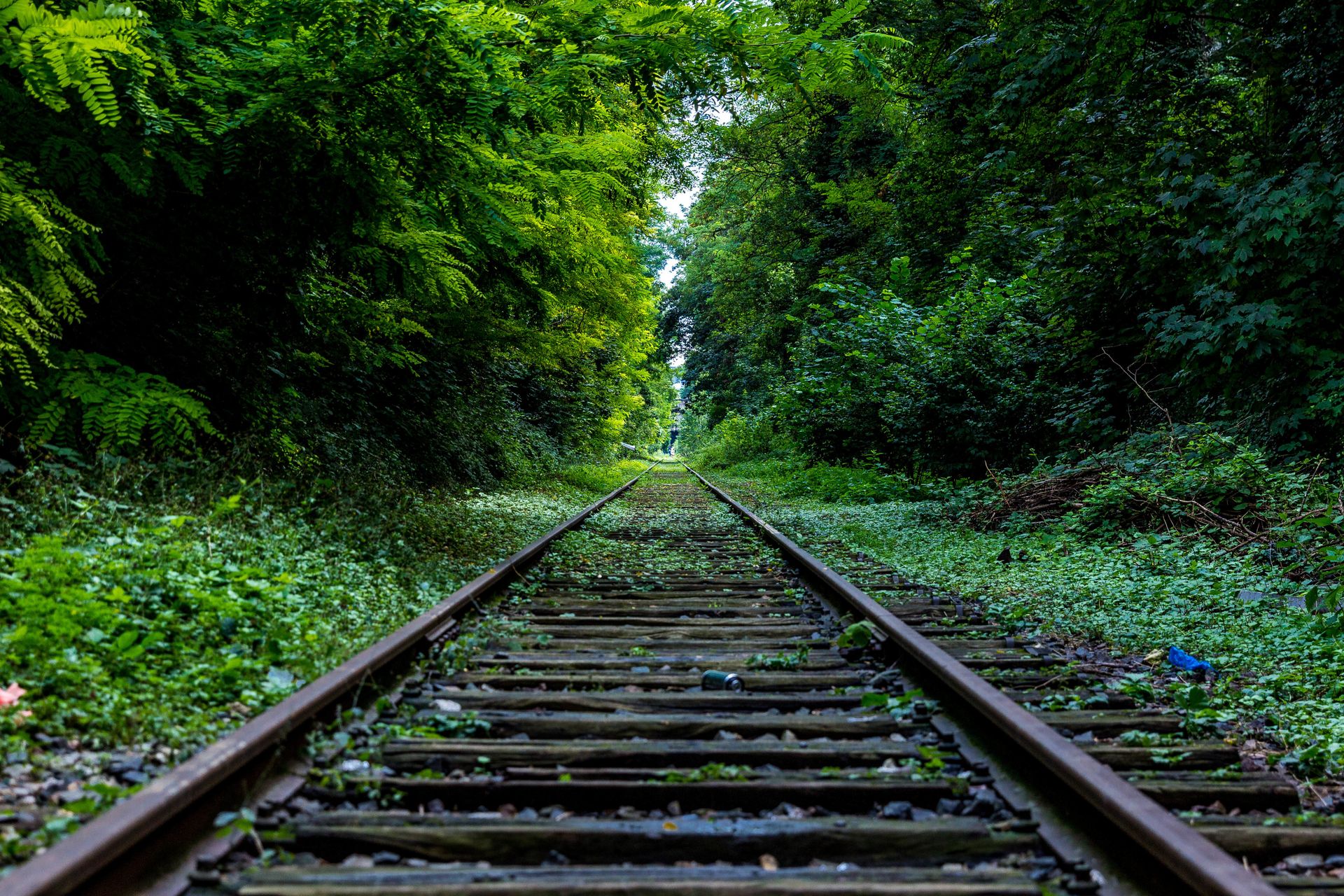
Located in the Northamptonshire region of England, among the remains of the former Northampton and Market Harborough Railway line, the Kelmarsh Tunnels stand as one of the surviving examples of Victorian-era railway engineering. According to Atlas Obscura, the tunnels — which opened in 1859 and were taken out of service in 1981 — are today preserved as a listed heritage site.
The tunnels comprise two separate structures: one 1,800 metres long and another 290 metres long. The construction process, completed in 1859, was demanding by Victorian-era engineering standards; in particular, the clay-rich soil and groundwater of the Northamptonshire region meant that tunnel-driving required long timelines and significant labour. The brick-lining technique used was a standard application of the period, and the brickwork is still visible on the interior walls of the structure today.
The railway line linked Northampton to Market Harborough, making a significant contribution to the central English railway network. In the second half of the 19th century and the first half of the 20th, the line was used intensively for both passenger and freight traffic. The economic impact of the railway in Northamptonshire's agriculture, shoe-making industry and other production branches is a documented historical importance.
In the 1960s, under British Railways' rationalisation policy known as the 'Beeching cuts', a significant portion of the United Kingdom's railway network was taken out of service. The Northampton-Market Harborough line went through a gradual reduction in service before its full closure in 1981. Although the use of the Kelmarsh Tunnels came to an end, the structure was not demolished; this created an opportunity for today's heritage tourism.
In the 2000s, through local community initiatives and the efforts of British heritage organisations, the tunnels were integrated into walking and cycling paths. The walking route known as the 'Brampton Valley Way' follows the old railway alignment; the tunnels form a notable section of this route. Each year thousands of visitors come to the area to explore the historic structure and experience it as part of the natural landscape.
The preservation of the Kelmarsh Tunnels is part of the wider railway heritage of the region. Northamptonshire and its neighbouring areas have similar examples of repurposed tunnels and viaducts; these can be read as typical examples of 'closed but preserved' infrastructure projects. This approach is a significant component of industrial-heritage conservation policy in the United Kingdom.
From an engineering-history perspective, the importance of the Kelmarsh Tunnels lies not only in their relatively long construction but also in the solutions applied in the construction method. Railway engineering in the mid-19th century was still in a phase of maturation; solutions that are technically considered light today were significant innovations of the period. In historian Christian Wolmar's 2007 book 'Fire and Steam: A New History of the Railways in Britain', such structures are described as the 'vascular system of empire'.
Kelmarsh village itself, due to its proximity to the tunnels, developed historically as a residential area for railway workers. The local church and school buildings still carry the demographic impact of the mid-19th-century railway construction. The village continues to exist today as a small settlement; its tourism income is tied to the success of the Brampton Valley Way.
For access to the area, visitors generally follow the walking route starting from Northampton or Market Harborough. For cyclists, the asphalt path running through the tunnels is suitable. As lighting inside the tunnels is limited to natural light, visitors are advised to carry a torch; this is announced as a preferred approach to maintain the authentic atmosphere of the heritage site.
The assessment of the Kelmarsh Tunnels is part of a broader debate on 'redesigning unused infrastructure'. Across Europe and North America, the reuse of old railway lines, closed tunnels and viaducts is a growing trend in urban and rural planning. This article does not constitute historical or tourist advice; for visiting conditions and access, consulting local tourism information centres is recommended.