How the Himalayan blackberry took over the Pacific Northwest
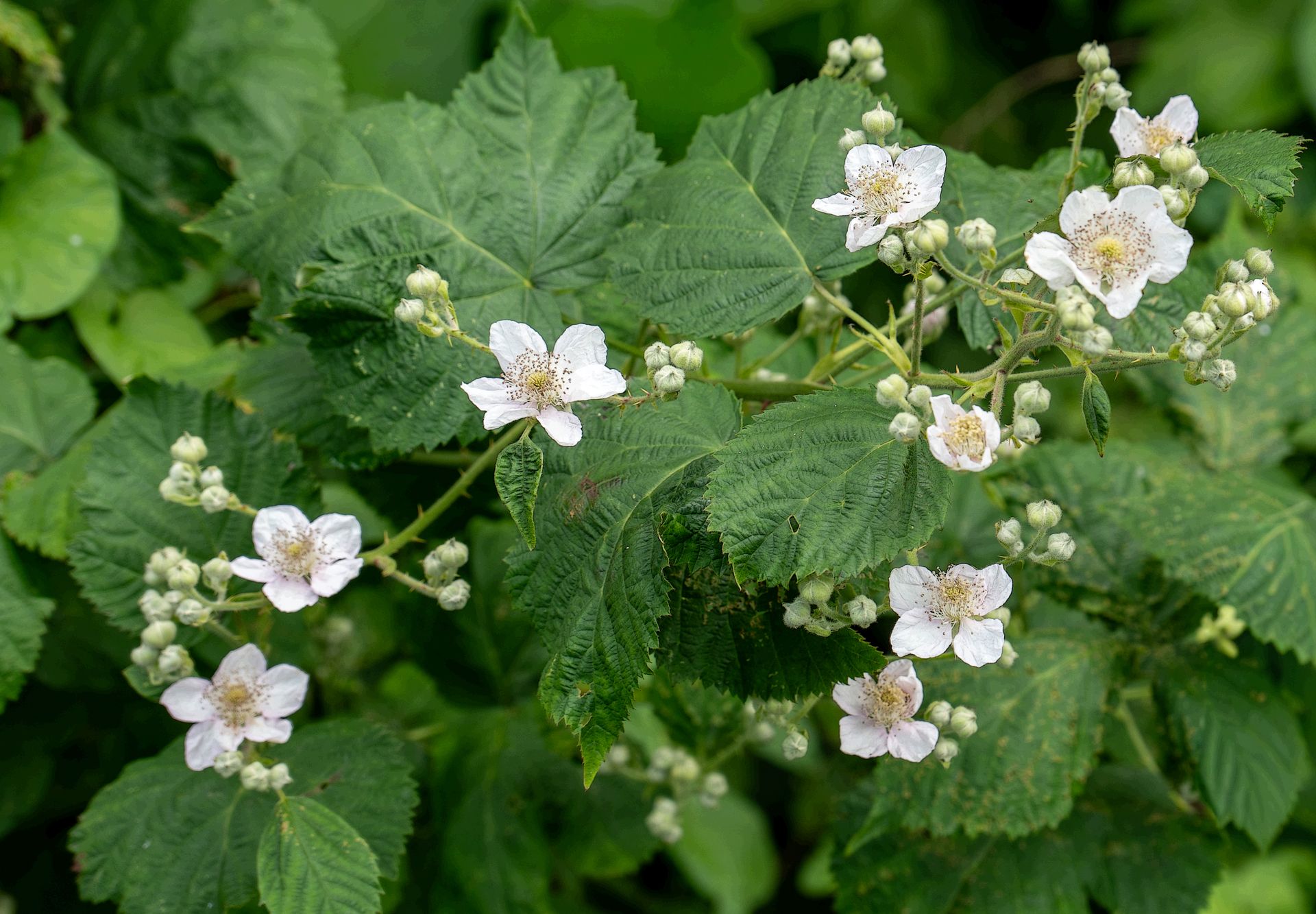
Anyone who has walked, driven or hiked through the Pacific Northwest of the United States has seen it: a dense, thorny tangle of blackberry brambles swallowing fences, filling ditches and climbing over abandoned lots. The plant is so common that it can seem native to the region. It is not. As JSTOR Daily recounts, the Himalayan blackberry arrived as a hopeful import and became one of the area's most stubborn invaders.
The name itself is misleading. Despite being called the Himalayan blackberry, the plant is not from the Himalayas; botanists trace its origins to the region around Armenia and Western Europe. The confusion dates to how it was marketed and classified when it was brought to North America, a small historical error preserved in the name gardeners and land managers still use today.
The plant's journey to notoriety began with optimism. In the late 19th century, it was promoted as a cultivated berry crop, prized for producing large, abundant fruit. The famed plant breeder Luther Burbank was among those who championed it, and it was distributed as a productive addition to farms and gardens, part of an era's confidence that nature could be improved and put to profitable use.
What made it appealing as a crop also made it dangerous once it escaped cultivation. The blackberry is extraordinarily vigorous. It grows quickly, spreads through both its arching canes and its seeds, and thrives in the disturbed soils along roads, rivers and cleared land. Birds and other animals eat its fruit and scatter the seeds widely, carrying the plant far beyond any garden.
The climate of the Pacific Northwest, mild and wet, proved almost perfectly suited to it. Freed from the pests and conditions that might have kept it in check elsewhere, the blackberry spread with little to stop it, forming impenetrable thickets that can crowd out native plants and dominate whole stretches of land. What was meant to be a controlled crop became an uncontrolled colonist.
The consequences are ecological as well as aesthetic. Dense blackberry thickets can shade out and displace native vegetation, alter habitats and make land difficult to use or restore. Removing established stands is notoriously hard, since the plant regrows from roots and fragments, and controlling it has become a persistent, costly task for land managers across the region.
The story fits a wider historical pattern that JSTOR Daily situates within the ambitions of its era. The same confident spirit that sought to improve agriculture and reshape landscapes also introduced numerous species to new places, sometimes with unintended and lasting results. The Himalayan blackberry is one of the more visible legacies of that impulse in the American West.
That framing invites a measured view rather than a simple verdict. The people who introduced the plant were not acting recklessly by the understanding of their time; they were pursuing productivity and abundance with the knowledge available to them. The concept of invasive species and the ecological caution that surrounds it developed later, shaped in part by episodes like this one.
The blackberry also complicates any tidy moral. For all the trouble it causes, its fruit is genuinely abundant and edible, and foraging for wild blackberries is a familiar late-summer ritual across the region. The plant that overwhelms native ecosystems is also the one that fills buckets and pies, a reminder that an invasive species is not simply a villain in every human eye.
Today the Himalayan blackberry stands as a living monument to a particular chapter of environmental history. Its brambles are so woven into the look of the Pacific Northwest that many residents never question where they came from. The plant's quiet ubiquity is precisely the point: a crop introduced with high hopes, now an inseparable, thorny feature of a landscape it was never native to.
Read next

The 1926 Sesquicentennial: why America's 150th birthday party flopped
In 1926, the United States threw a giant exposition in Philadelphia to mark 150 years of independence. It was beset by delays, debt and rain, drew disappointing crowds and ended in bankruptcy, earning a reputation as one of the nation's great civic flops. Here is what went wrong.

On this day, 6 July 1885: Pasteur first uses the rabies vaccine on a human
On 6 July 1885, the French scientist Louis Pasteur administered his experimental rabies vaccine to a nine-year-old boy bitten by a rabid dog. The boy survived, and the treatment became one of the founding moments of modern vaccination and the germ theory of disease.

Why Steven Spielberg has spent a lifetime dreaming of flying saucers
From 'Close Encounters of the Third Kind' to 'E.T.', Steven Spielberg has returned again and again to the idea of visitors from the stars, and Smithsonian magazine traces the roots of that fascination. It is a story about the director's childhood, postwar America and the enduring pull of the unknown.

The Ness of Brodgar: the Stone Age mystery being unearthed in Orkney
The Ness of Brodgar, a vast Neolithic complex in Scotland's Orkney islands, is one of the most important Stone Age sites in Europe, and a new excavation is probing a mystery hidden beneath it. HistoryExtra reports on why the site keeps rewriting what we thought we knew about prehistoric Britain.

On this day, 5 July 1996: Dolly the sheep, the first cloned mammal, is born
On 5 July 1996, a lamb named Dolly was born at the Roslin Institute in Scotland, the first mammal cloned from an adult body cell. Her birth transformed the science of biology and ignited a global debate about cloning that continues to shape ethics and research today.