Why did Britain ban soft cheese during the Second World War?
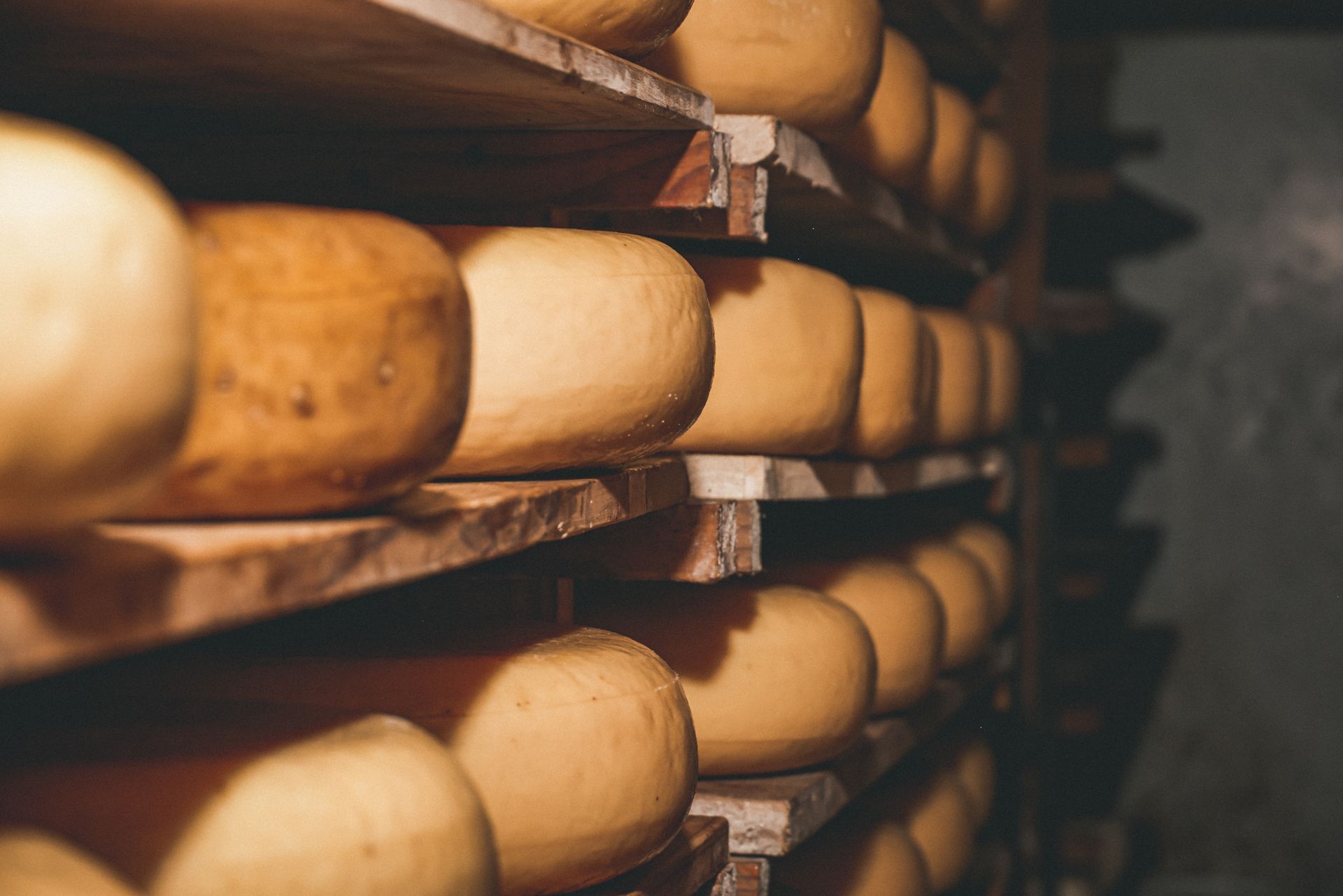
Cheese is one of the oldest processed foods in human history. Writing for HistoryExtra, Isabel King uses the traditional Cooper's Hill Cheese Rolling event as an occasion to explore the long history of cheese and to examine why Britain restricted soft cheese during the Second World War.
According to King's account, the origins of cheese reach back thousands of years, to the need to preserve milk after the domestication of animals. Curdling milk into cheese emerged as a method that both delayed spoilage and retained nutritional value.
Over the centuries, different regions developed their own cheese traditions. Climate, animal type and local techniques formed the basis of the variety we know today. The distinction between hard and soft cheeses was also shaped largely by conditions of storage and maturing.
The Second World War transformed Britain's food policies fundamentally. Rationing and the reordering of production priorities brought state-directed regulation of which foods would be made. Within that framework, cheese production was affected too.
As King relates, wartime production was steered toward durable and efficient products. Hard cheeses were prioritised because they could be stored longer and were more practical logistically, while the production of soft cheeses was restricted.
This choice reflected the logic of a war economy. Using limited resources as efficiently as possible mattered for meeting nutritional needs both at the front and at home. The short shelf life of soft cheese made it a disadvantage in that equation.
After the war, the effects of these restrictions were felt for some time. The revival of traditional soft-cheese production took time, and some regional varieties faced the risk of disappearing during this period. King's piece also draws attention to the cultural dimension of that interruption.
The history of cheese is not only a food story; it is also a narrative about economics, logistics and cultural identity. How the production of a product can be shaped by state policy is seen vividly in wartime.
Today, events such as the Cooper's Hill Cheese Rolling keep the cultural heritage of cheese alive. Such traditions are a reminder of the meaning a food carries not only for nutrition but for community and identity.
King's exploration reveals the historical layers behind an everyday food. This journey, from ancient times to modern popular culture, shows how rich a past a seemingly ordinary product can have.