Islands in the Jungle: The 1.7-Billion-Year-Old Inselbergs of French Guiana
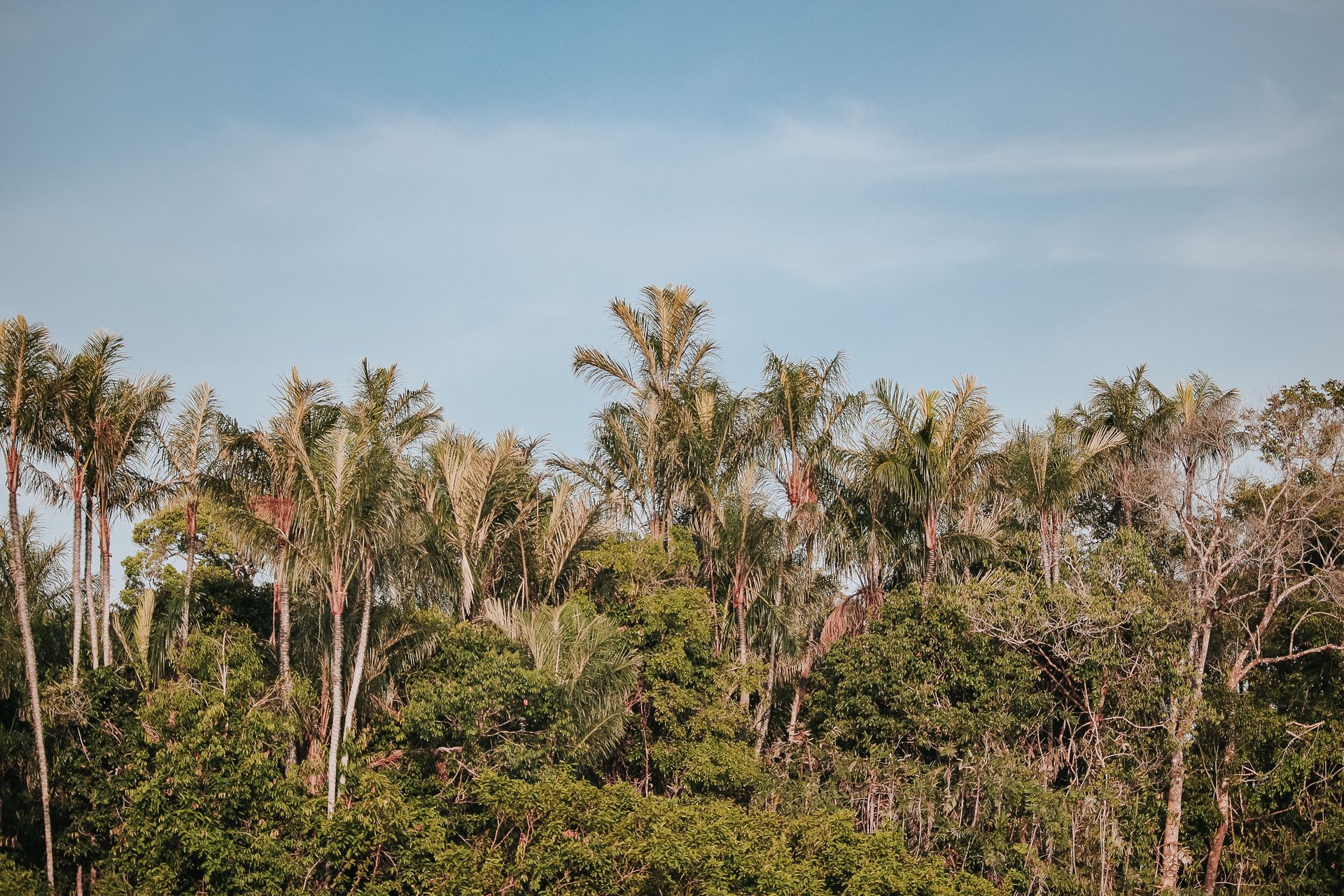
Hundreds of granite domes rise abruptly above the rainforest canopy in the interior of French Guiana. Locally called "jungle rocks," these Inselberg Savane-Roches are the eroded remains of the 1.7-billion-year-old Guiana Shield, a craton stretching from Venezuela to Amapá in Brazil. As the surrounding plains were worn down over geologic time, the harder granite stood up to erosion and emerged as natural islands.
Conditions on top of the domes are punishing. Direct equatorial sun, sharp day-night temperature swings and prolonged droughts produce microclimates wholly unlike the surrounding jungle. The summits host succulents clinging to bare rock, miniature orchids, and a roster of endemic species, some of which are known only from a single inselberg.
Until the road between the towns of Regina and Saint-Georges was completed in 2003, reaching most of these outcrops required arduous river journeys or helicopter charters. That isolation explains why biologists have yet to compile a complete species inventory for the inselberg ecosystems. Featured by Atlas Obscura on May 6, 2026, the formations remain an open-air laboratory for geologists and tropical ecologists working in the Amazon basin.