How Orkney became a centre of violence in the Viking Age
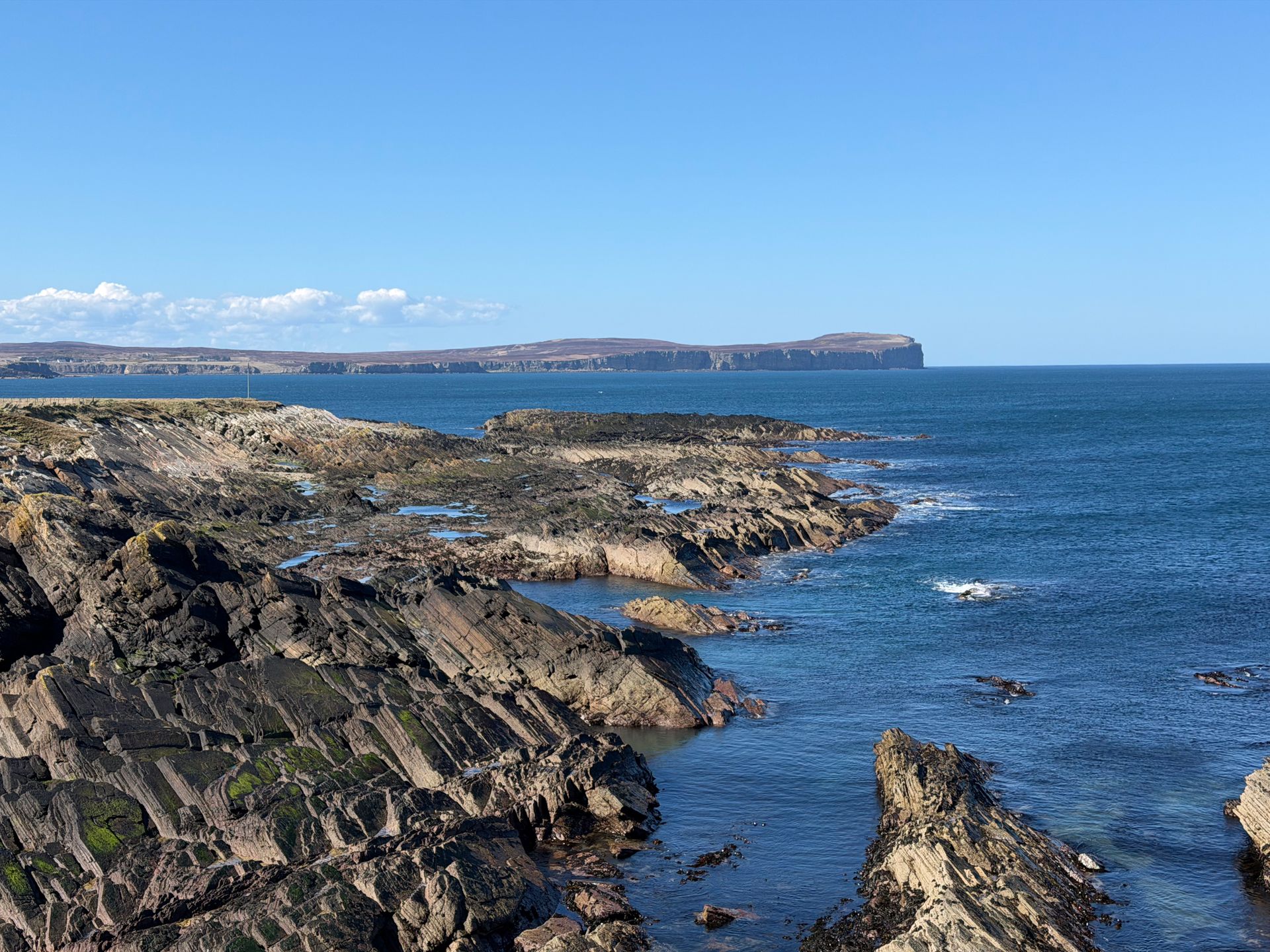
Historian Judith Jesch examines, for HistoryExtra, the transformation that the Orkney archipelago in northern Scotland underwent across the Viking Age. Jesch's account draws largely on the source known as the Saga of the Earls of Orkney, written in Old Norse.
Orkney occupied a strategic position at the crossroads of travel networks in the North Atlantic for Scandinavian seafarers. The islands' proximity to mainland Scotland, to Ireland and to the wider Norse-speaking world made the region a stage for both trade and struggles for power. In Jesch's assessment, that location was a factor that largely shaped the islands' history.
The Saga of the Earls of Orkney is a source that recounts the events the dynasty of earls ruling the islands experienced across generations. The saga is more a literary narrative than a history book; for that reason historians read it carefully, comparing it with other sources and archaeological findings. Jesch stresses that this text is a source that is both valuable and to be approached with caution.
Among the events recounted in the saga, rivalries within the dynasty, alliances and conflicts occupy an important place. The phrase 'Viking Age violence' reflects how the political order of the period rested largely on relationships of power and loyalty. Jesch notes that these conflicts were tied not only to individual ambitions but also to the dynamics of broader political structures.
Although the Viking Age is often remembered through raids and seafaring, the same period also offers a rich picture in terms of settlement, trade and governance. The case of Orkney shows that the period was not made up of conflict alone; farming, fishing and the daily life of communities were also part of the history. Historians therefore treat the period in a multidimensional way.
Archaeological findings are an important source of information that complements the saga's narrative. Settlement remains, graves and artefacts can reveal details not found in written sources. In Jesch's approach, reading literary texts and material evidence together stands out as the way to draw a more reliable picture of the period.
Orkney's linguistic and cultural heritage is also part of this history. Place names on the islands, traces of dialect and traditions reflect the long-lasting influence of Norse-speaking communities. That heritage over time became interwoven with Scottish and wider British culture; today Orkney's identity bears the traces of that layered past.
Sources such as the Saga of the Earls of Orkney also show how a region narrates its own past. Sagas often carried functions such as reinforcing the legitimacy of particular dynasties or producing heroic narratives. For that reason historians assess not only what the text recounts but also what it chooses to emphasise.
The account Jesch presents for HistoryExtra positions Orkney within the wider story of the Viking Age. The islands were not on the periphery of the Scandinavian world but a node in the networks at its very centre. Within that frame, the history of Orkney offers an illuminating example for understanding the period as a whole.
In summary, the Viking Age history of Orkney is a multi-layered field in which literary sources and archaeology are read together. Jesch's assessment makes clear that this history is not made up of a narrative of conflict alone; location, culture and communities are also inseparable parts of the story.