Hole in the Wall: How Mojave's Volcanic Ash Carved a Stone Labyrinth
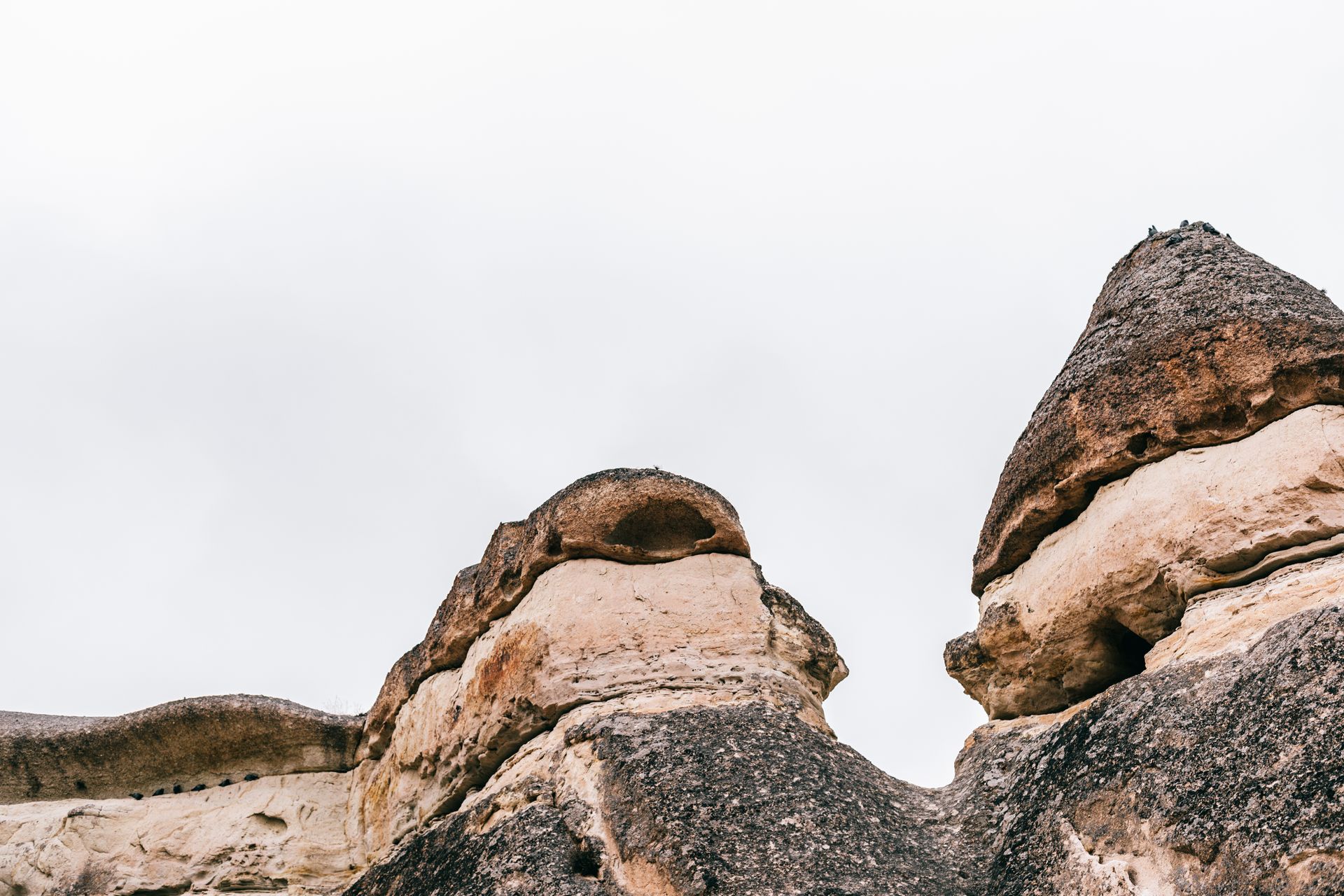
Set in the middle of California's Mojave National Preserve, the Hole in the Wall district is a geological oddity created not by flowing lava but by clouds of hot volcanic ash that settled and fused. Geologists call the resulting rock "welded tuff." Because the welding was uneven, the cliffs erode at different rates, leaving spires, hoodoos and convoluted shapes.
The stone takes on a Swiss-cheese appearance through a process called cavernous weathering, in which the softer pockets of tuff are scooped out by wind and rain to leave hollows and small caves. Local lore holds that those caves gave the area its name, and that 19th-century outlaws used them as hideouts after raids across the Mojave.
The Rings Loop Trail leads hikers through a slot called Banshee Canyon, where the route descends a near-vertical wall by way of a series of iron rings bolted into the rock. Highlighted by Atlas Obscura on May 8, 2026, the short loop has become a favorite among geology students and chroniclers of the American West, offering a compact lesson in how ancient eruptions shaped the desert.