El Foco Tonal in rural Jalisco: the story of a contemporary cultural gathering site in Mexico
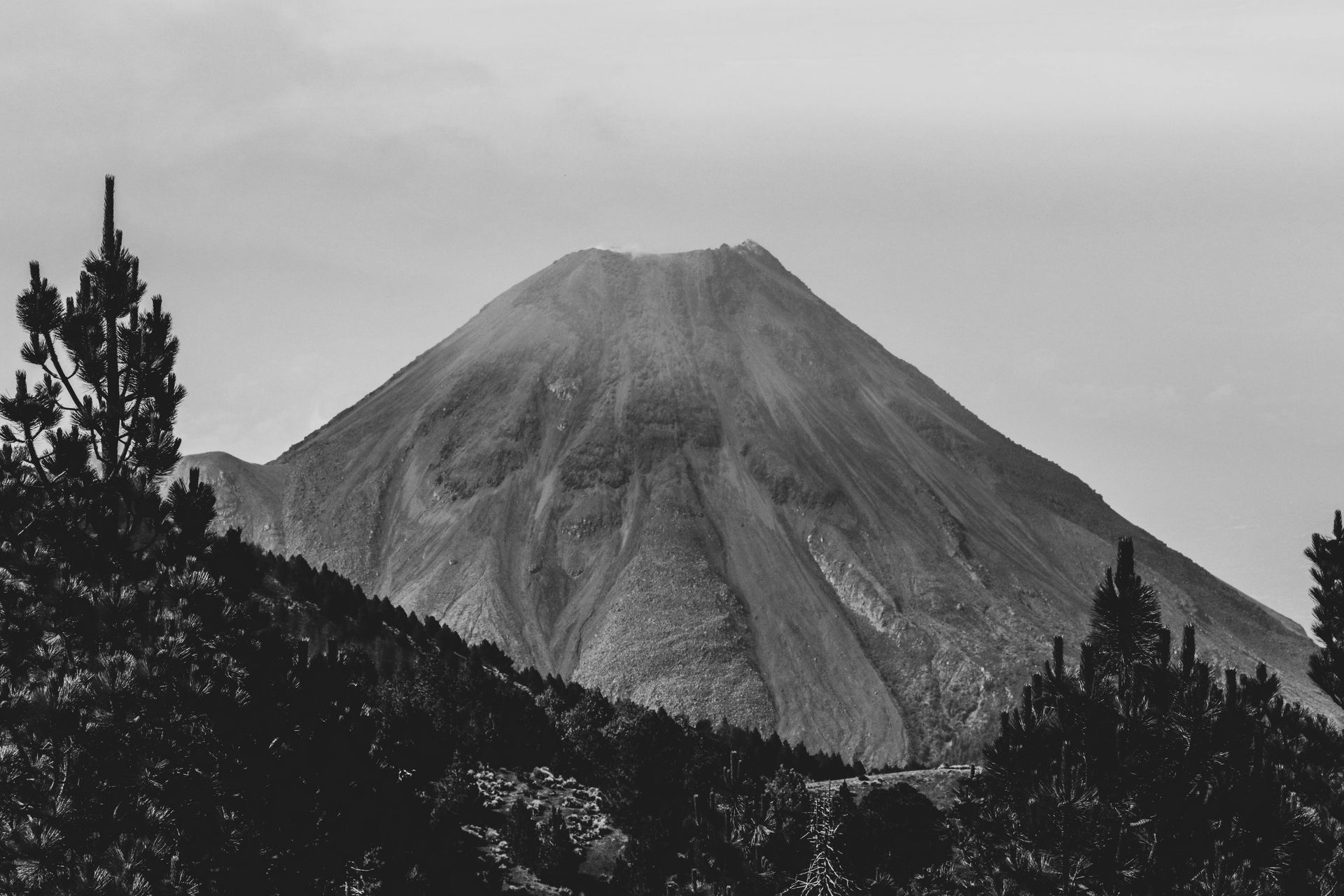
In the Mexican state of Jalisco, about 50 kilometres southwest of Guadalajara and near the village of Zapote del Valle, lies a hillside known as El Foco Tonal. Documented by Atlas Obscura, the site has become over recent decades a cultural gathering place that attracts both local and international visitors for meditation and nature walking.
The site sits at approximately 1,700 metres above sea level, on a slope surrounded by pine forest. The region lies in the inner reaches of the Sierra Madre Occidental, in a semi-arid climate belt close to the Pacific. According to Atlas Obscura, this geographic position keeps the landscape open and quiet.
The site's contemporary visibility is connected to the spread of New Age thought in Mexico during the 1980s. The 'Saint Germain' name refers to the Comte de Saint Germain figure of 18th-century Europe as interpreted in New Age spiritualist tradition. The naming is local in origin; there is no historical documentation of Comte de Saint Germain ever travelling to Mexico.
Guadalajara University Professor of Anthropology Dr Renée de la Torre has long studied New Age practices in Mexico. In conference presentations she observes: 'In the semi-arid regions of Mexico — in states such as San Luis Potosí in the north and Jalisco in the west — cultural gathering places have formed in which contemporary esoteric currents combine with local culture.'
The visitor profile at El Foco Tonal is mixed. Alongside local community members, visitors from the United States and Europe also visit the site during the summer months. According to Atlas Obscura's documentation, annual visitor numbers are estimated at 5,000 to 7,000. The site is freely accessible and is a low-infrastructure nature area.
Functionally, the area contains a large rock known as a 'tonal' (from the Nahuatl word for 'day spirit'). On the rock is a plaque bearing the name of the New Age Saint Germain figure. The plaque was installed by a local New Age community in the 1990s. The plaque's original designer is unknown.
Mexico's National Institute of Anthropology and History (INAH) Jalisco regional director Dr Marisol Montejo says: 'This kind of contemporary place attribution is a typical cultural occurrence in late 20th-century rural Mexico, with shifting meanings as it is used by local and international communities.' The site is not a protected archaeological zone under INAH.
Viewed through the lens of contemporary Mexican cultural geography, sites like El Foco Tonal can be understood as examples of the way the late-20th-century global New Age movement has been grafted onto local context. Academic literature describes this phenomenon as 're-enchantment'. According to Professor de la Torre, the process is linked to a search for cultural identity among generations with weaker institutional religious adherence.
The site's spiritual claims — meditation 'energy effects', alleged 'biophotonic' properties of the surrounding area, and similar — are not supported by scientific evidence. Atlas Obscura presents these as the statements of the visitor community and notes the absence of scientific verification. While the site is recommended for nature walks and scenery, expectations of health or psychological effect should be approached with caution.
Practical information for visitors: the site is approximately a 1 hour 15 minute drive from Guadalajara, and the dry season (November to March) is the most suitable time. The local tourism office recommends visitors bring hiking shoes and water. The neighbouring village of Zapote del Valle serves day visitors with small restaurants. This article is general information; academic sources on anthropology and contemporary religious studies can be consulted for further depth.