The Rings Loop Trail in the Mojave: walking through a landscape carved from volcanic tuff
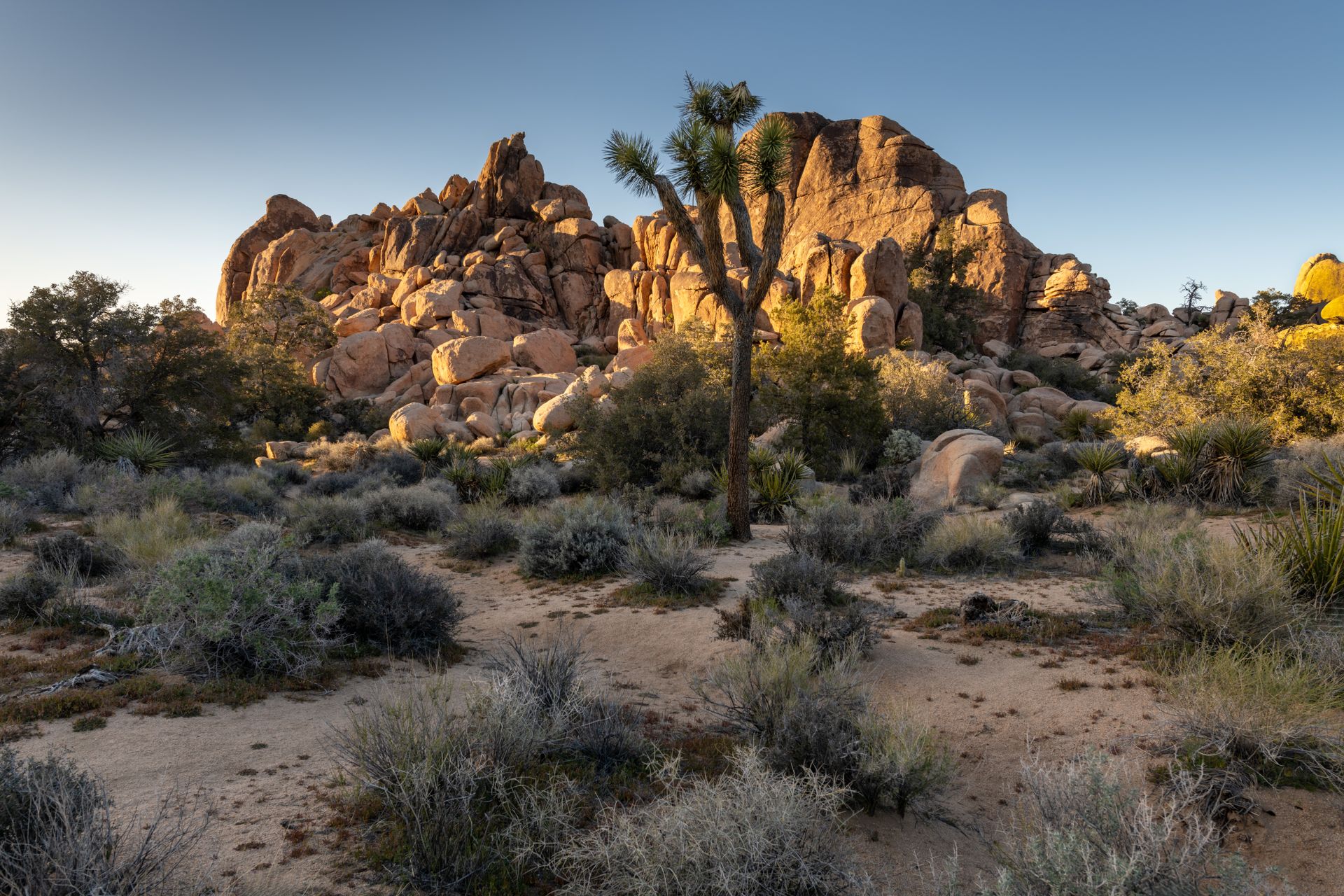
The "Hole in the Wall" area inside Mojave National Preserve sits at the centre of the geography followed by the Rings Loop Trail. Per Atlas Obscura, the rocks that catch the eye here are the product not of magma flow but of individual particles settling out of a cloud of volcanic ash.
The rock type involved is tuff. Tuff forms when ash particles thrown up during a volcanic eruption fall back to the ground. If the particles are still hot enough on landing, they weld together, producing what is known as "welded" tuff.
The tuff in the Mojave is welded unevenly, which is why some portions weather more easily than others. The result is a landscape of spires, hoodoos and more elaborate shapes.
A related process called cavernous weathering is part of the area's visual signature. As the less-welded sections weather out, cliffs are left with abundant hollows and caves, giving the rock a "Swiss cheese" surface.
The overall effect, as the Atlas Obscura piece describes it, is "otherworldly but attractive." The trail itself is named for a route that winds through these landscape features.
The area's natural hydrology is bound up with the formation of cavernous hollows. Water entering cracks in the looser parts of the rock enlarges the openings through cycles of freeze and thaw. In geological literature, the process is read on a time scale of thousands of years.
Culturally, the rock forms are also part of the region's settlement story. Atlas Obscura notes that these cavernous hollows may have given the area the name "Hole in the Wall."
Mojave National Preserve was added to the US federal conservation system in 1994. The area's distinct biodiversity and geological heritage are among the defining grounds of the conservation plan.
The Rings Loop Trail is one of the more popular walking routes among visitors interested in nature photography and landscape interpretation. Information panels along the trail give short explanations of the geological origin of the tuff formation and of cavernous weathering.
For visitors to the preserve, the area's high summer temperatures and limited water availability are among the main safety advisories. The park administration issues seasonal advice on daily route counts and weather conditions for walkers.