Belgian Grand Prix: what's at stake at Spa this weekend
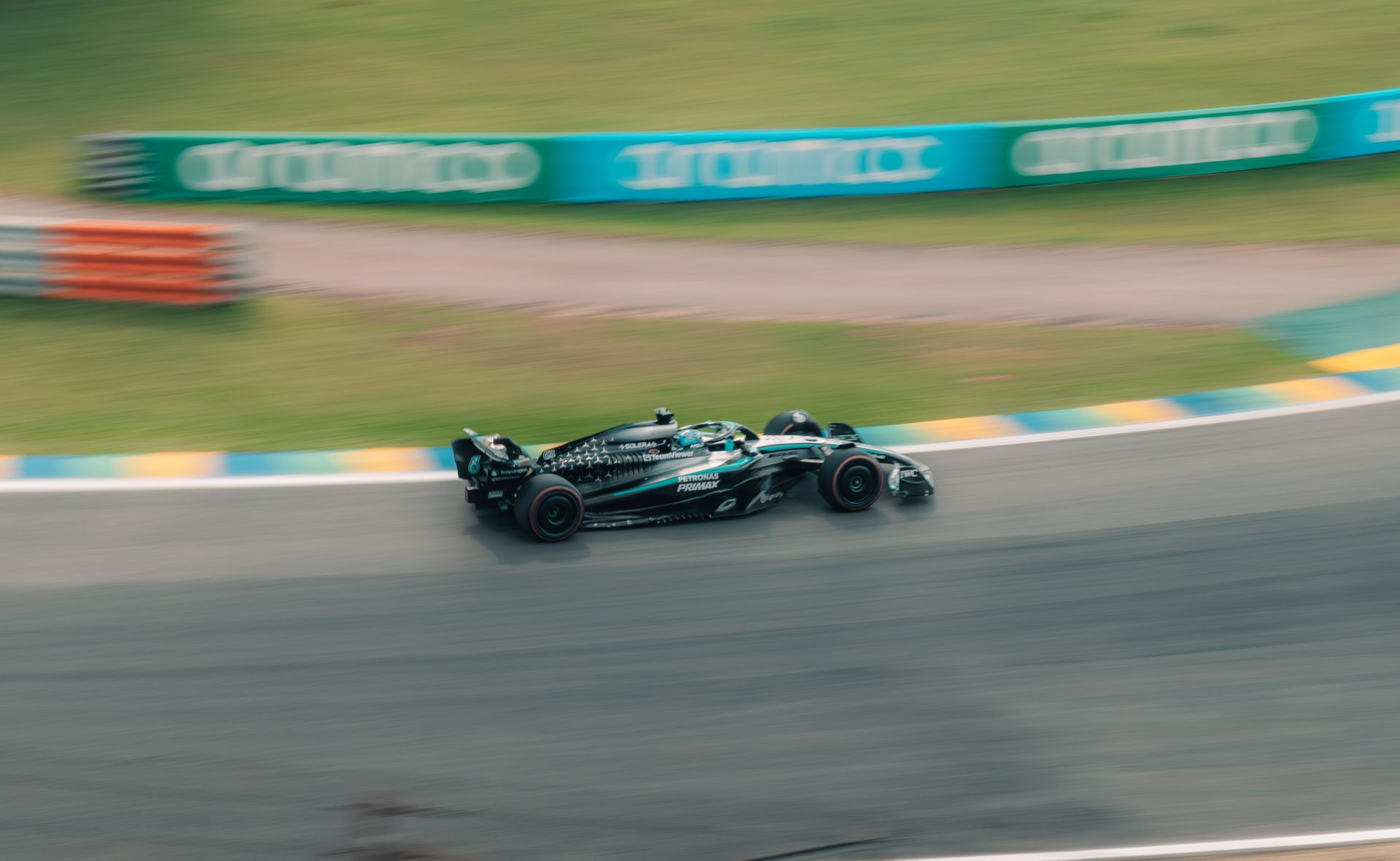
Formula 1 arrives at Spa-Francorchamps this weekend for the Belgian Grand Prix, a fixture widely regarded by drivers and fans alike as one of the sport's defining tests, and one that lands at a pivotal moment in this year's championship battle. With the title fight increasingly framed as a contest between Mercedes team-mates and Red Bull's Max Verstappen, the Ardennes forest circuit's mix of high-speed corners, elevation change and famously unpredictable weather threatens to reshuffle the standings in either direction.
Spa-Francorchamps has held a special status on the calendar for generations, its 7-kilometre layout among the longest in modern Formula 1 and its character built around corners that have entered the sport's folklore. Eau Rouge and Raidillon, the uphill compression-into-blind-crest sequence that follows the pit straight, remains one of the most demanding corners drivers face anywhere on the calendar, taken flat out in modern cars but still capable of punishing the smallest miscalculation.
The circuit's location in the Ardennes forest brings a further variable that has decided races here as often as raw pace: weather that can shift dramatically within a single lap, let alone across a race distance. Localised rain showers affecting only part of the circuit have produced some of the sport's most chaotic and memorable races at Spa, forcing split-second strategy calls on tyre choice that have swung championships in years past.
This year's visit carries particular weight given how the drivers' championship has developed. Mercedes team-mates have spent much of the season locked in their own internal battle for supremacy, a dynamic that has added a layer of tension to Mercedes' pursuit of the title beyond simply beating rival teams. Meanwhile Red Bull's Max Verstappen has continued to press for position despite a season that has, by his own recent public comments, not always matched his team's ambitions, with reliability and car development questions shadowing Red Bull's push to keep pace at the front.
How that three-way dynamic plays out at a circuit like Spa carries extra significance, since the track's long straights reward raw engine power and low-drag setups, while its high-speed corners demand a chassis capable of holding confident lines through sustained lateral loads, a combination that tends to separate genuinely quick cars from those merely competitive on more conventional layouts. Teams unable to find the right aerodynamic compromise for Spa's specific demands have historically struggled to disguise it here in a way other circuits allow.
Qualifying at Spa carries its own outsized importance, given the difficulty of overtaking through several of the circuit's tighter sections despite the long straights that in theory favour passing. Track position won on Saturday afternoon regularly proves decisive on Sunday, adding pressure to a single, high-stakes qualifying lap on a circuit where a moment's hesitation through Eau Rouge can cost several tenths that are difficult to recover elsewhere on the lap.
The Belgian Grand Prix also traditionally marks a symbolic turning point in the European season, arriving as the sport heads toward its August factory shutdown period, when teams are legally required to pause development work for a fixed number of weeks. That timing means any late-season upgrades introduced at Spa often represent a team's last significant development push before the shutdown, making the weekend a useful marker for judging which teams have found genuine performance gains heading into the second half of the season.
Fans following the championship battle will be watching not just who wins on Sunday, but how the podium reshuffles the underlying gap between Mercedes' two drivers and Verstappen's Red Bull, given how tightly bunched the standings have remained deep into the season. A strong result for any of the three contenders at a circuit this demanding would carry outsized psychological weight heading into the remaining rounds.
Weather forecasts for the Ardennes region remain notoriously unreliable even a day or two out, and race engineers across the grid will be watching localised radar data closely throughout the weekend, wary of the kind of sudden downpour that has decided Belgian Grands Prix in the past almost independent of a car's underlying pace.
Whatever the outcome, Spa-Francorchamps' combination of history, physical demand and weather uncertainty ensures the Belgian Grand Prix remains one of the weekends teams and drivers circle on the calendar as a genuine test of both machine and nerve, regardless of where the championship picture stands heading into it.
Read next

Man Utd sign £48m Santos and close in on Tielemans
Manchester United have completed the signing of Andrey Santos from Chelsea for £48m and are in advanced talks with Aston Villa over a deal for midfielder Youri Tielemans, as the club continues to rebuild its midfield options for the season ahead.
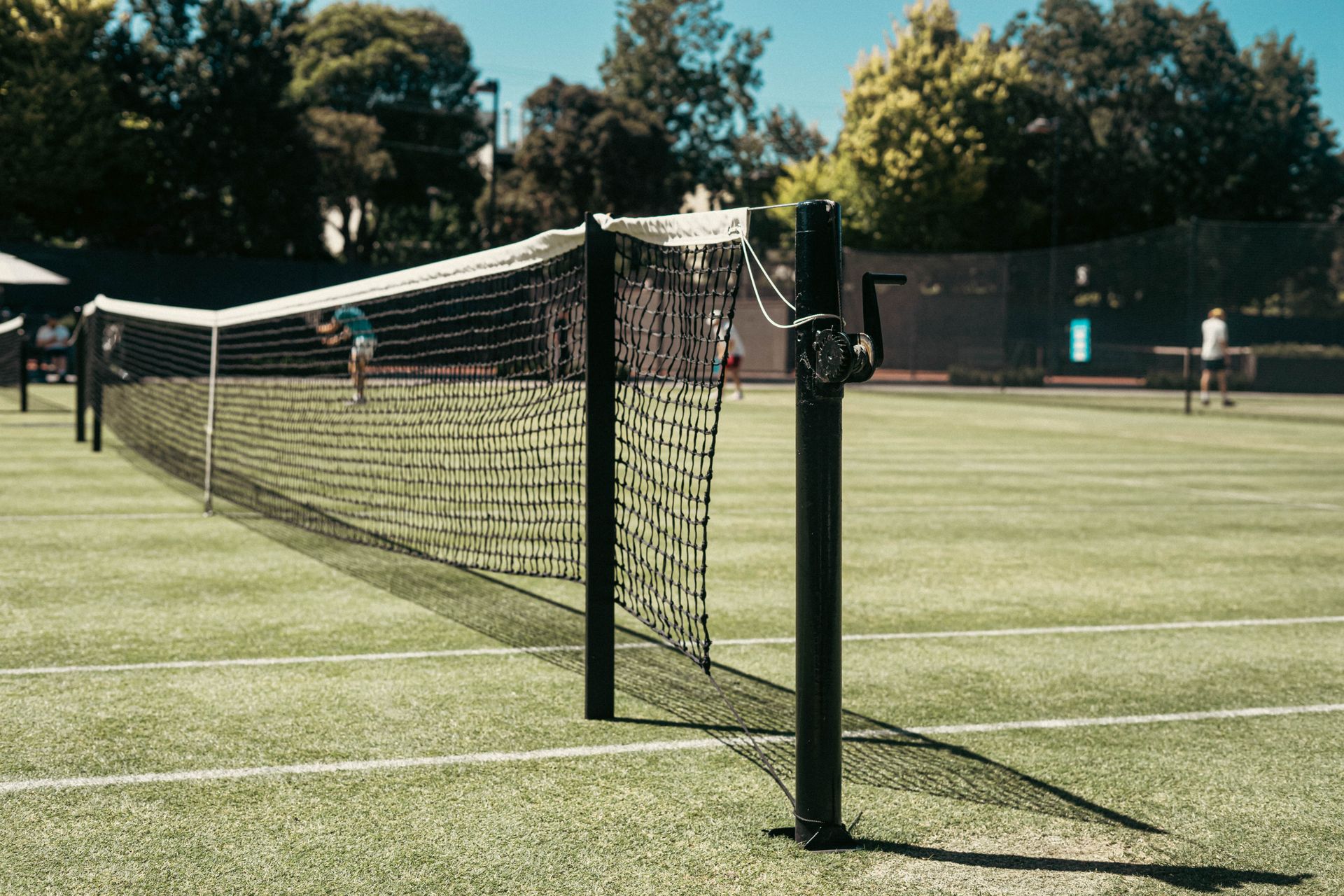
Jannik Sinner defends Wimbledon title with win over Alexander Zverev
Jannik Sinner held off Alexander Zverev in four sets to win back-to-back Wimbledon men's singles titles. The Italian's victory, coming after a difficult stretch of the season, underlined why he remains the world's best player.
Arsenal turn to Julian Alvarez transfer as Barcola stays put at PSG
Arsenal have turned their attention to Atletico Madrid forward Julian Alvarez as they look to strengthen their attack this summer. With Bradley Barcola, previously a priority target, confirmed to be staying at PSG, Alvarez has moved to the top of the club's list.

Why Verstappen called his Red Bull's rear wing failure 'super-dangerous'
Max Verstappen says the rear wing failure on his Red Bull, which caused him to crash at two consecutive grands prix, was 'super-dangerous.' According to BBC Formula 1, the incident is leaving the team facing tough questions about the design's safety.
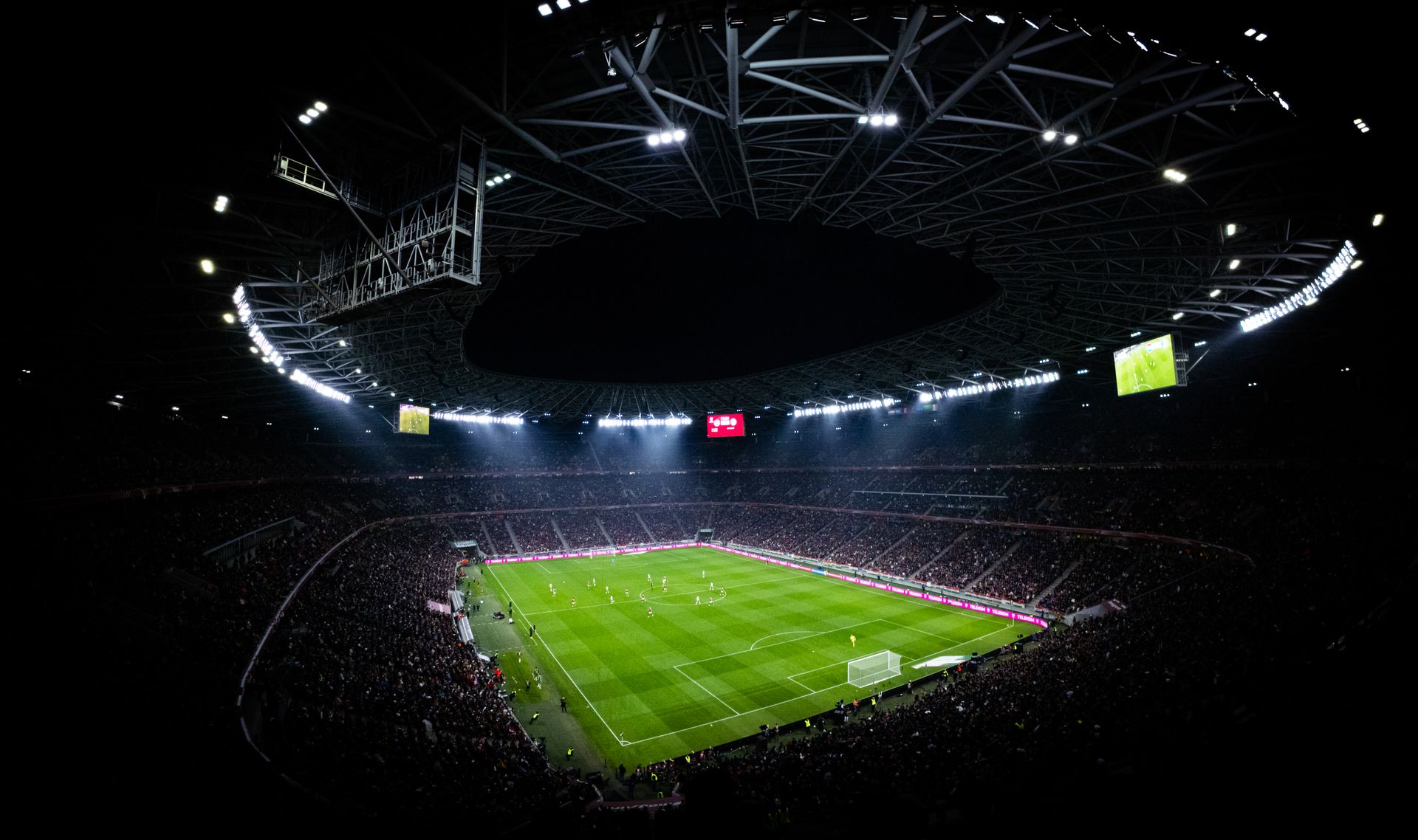
Merino the unlikely hero again as Spain reach the semis, but Yamal show still awaits
Mikel Merino came off the bench to score again and send Spain into the World Cup semi-finals against Belgium, though Lamine Yamal is still waiting for his moment to truly shine at the tournament. According to BBC Football, Spain now turns its attention to a semi-final against France.