Rybakina fights back from a set and a break down to eliminate Osaka in Canadian Open thriller
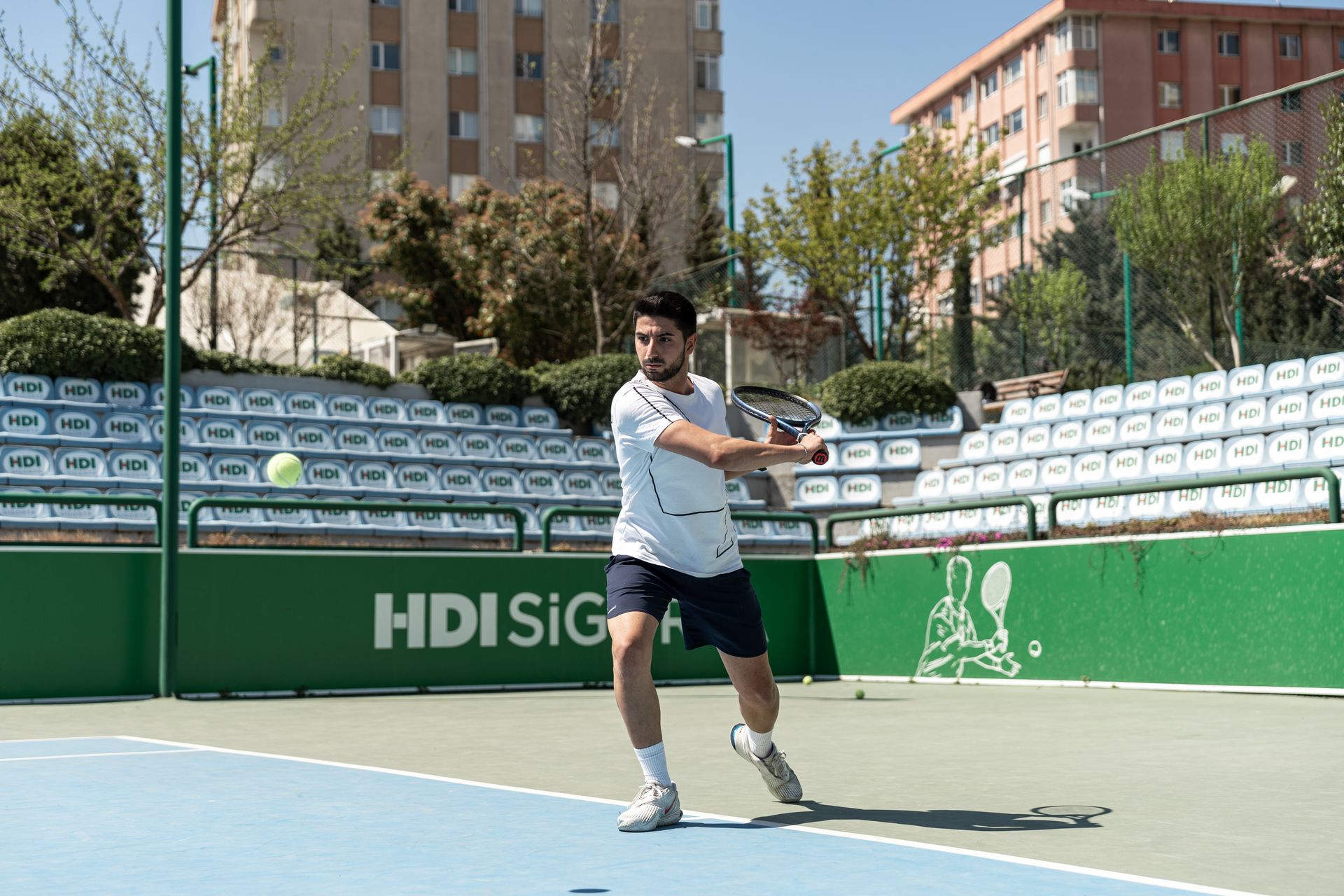
Elena Rybakina produced one of the standout comebacks of the North American hard-court season, recovering from a set and a break down to defeat Naomi Osaka in a three-set quarter-final thriller at the Canadian Open, a result that sends the Kazakh into the semi-finals and continues an increasingly formidable run of form against top-tier opposition.
Osaka, a four-time Grand Slam champion with a long history of producing her best tennis on North American hard courts, appeared firmly in control for large stretches of the opening set and the early stages of the second, building both a set lead and an early break advantage that, against most opponents on tour, would typically be sufficient to close out the match comfortably.
Rybakina's response is what elevated the match from a routine upset to one of the tournament's genuine highlights. Rather than folding under the pressure of the deficit, the Kazakh progressively raised the intensity and depth of her groundstrokes, using her characteristically powerful serve to steady her own service games while gradually applying more pressure on Osaka's.
The turning point, according to match analysis, came as Rybakina began consistently taking the ball earlier and dictating rallies from the baseline, a tactical shift that neutralised much of the aggressive, first-strike tennis Osaka had used to build her early advantage. Once Rybakina found that rhythm, the match's momentum shifted decisively in her favour.
Closing out the comeback required Rybakina to win the match's most pressure-filled moments, holding firm through a series of tightly contested games in the closing stages of the decider, a phase of matches that has occasionally been a point of vulnerability for other players but one in which Rybakina's calm, low-key on-court demeanour has increasingly become an asset rather than a limitation.
For Osaka, the defeat continues a pattern this season of strong early-tournament form failing to convert into deep runs against the tour's most in-form players, a frustration that has periodically surfaced in her results since her return to the tour, despite flashes of the dominant hard-court tennis that once made her one of the most feared players in the women's game.
Rybakina's win extends a broader trend of strong results against elite opposition this season, building a reputation as one of the players on tour most capable of raising her level specifically against higher-ranked or higher-profile opponents, rather than being someone who accumulates wins primarily against lower-ranked players before struggling in marquee matchups.
The Kazakh's serve-and-power game has long been considered particularly well suited to hard courts, and this result reinforces that reputation heading into the North American hard-court swing's remaining tournaments, a stretch of the calendar that leads directly into the US Open and typically carries outsized importance for players building form ahead of the season's final Grand Slam.
Tournament organisers and broadcasters highlighted the match as among the standout contests of the Canadian Open's quarter-final round, a status earned less by the ranking of the players involved than by the quality and drama of the tennis itself, a three-set battle that swung decisively in momentum at least twice before Rybakina finally closed it out.
With the win, Rybakina moves into the semi-finals as one of the tournament's form players, a position that will bring both increased expectations and a correspondingly difficult route through the remainder of the draw, against opponents who will now have had the chance to study exactly how she fought back from Wednesday's deficit against Osaka.
Read next

Teenager Brian Madjo announces himself in Aston Villa's Super Cup defeat by PSG
Aston Villa lost 2-1 to Paris Saint-Germain in the UEFA Super Cup, but the result was overshadowed by a striking performance from 17-year-old forward Brian Madjo, who caused problems for PSG's defence throughout. Match of the Day pundits Nedum Onuoha and Stephen Warnock praised the teenager's composure against a Champions League-winning side.

Andy Green sets new 406.3mph speed record for hydrogen-powered vehicles
British driver Andy Green reached 406.320 mph on Tuesday in a car powered by two hydrogen internal combustion engines with a combined 1,600 horsepower, setting a new record for that vehicle category. Green was already the first person to break the sound barrier on land, in 1997's Thrust SSC.

Bezos's move into Liverpool is a windfall for FSG — but what does it mean for the club?
News that a consortium including Amazon founder Jeff Bezos is set to take a stake in Liverpool FC has been described in football circles as a coup for Bezos and a potential windfall for current owners Fenway Sports Group. The investment is not expected to significantly change the club's spending power, and some supporters have voiced unease about what it might mean.
Eala becomes first Filipino to win a WTA singles title
Alexandra Eala became the first Filipino to win a WTA singles title after beating top seed Jessica Pegula in a delayed Washington Open final. The victory marks the peak of a remarkable rise the young player has enjoyed over the past year.

Why has Araujo joined Liverpool, and where did it go wrong at Barcelona?
Ronald Araujo has joined Liverpool on loan from Barcelona. We explain why the club moved for the Uruguayan defender and what went wrong during his time at Barcelona.