Naomi Osaka stuns world number one Sabalenka to reach Wimbledon quarter-finals
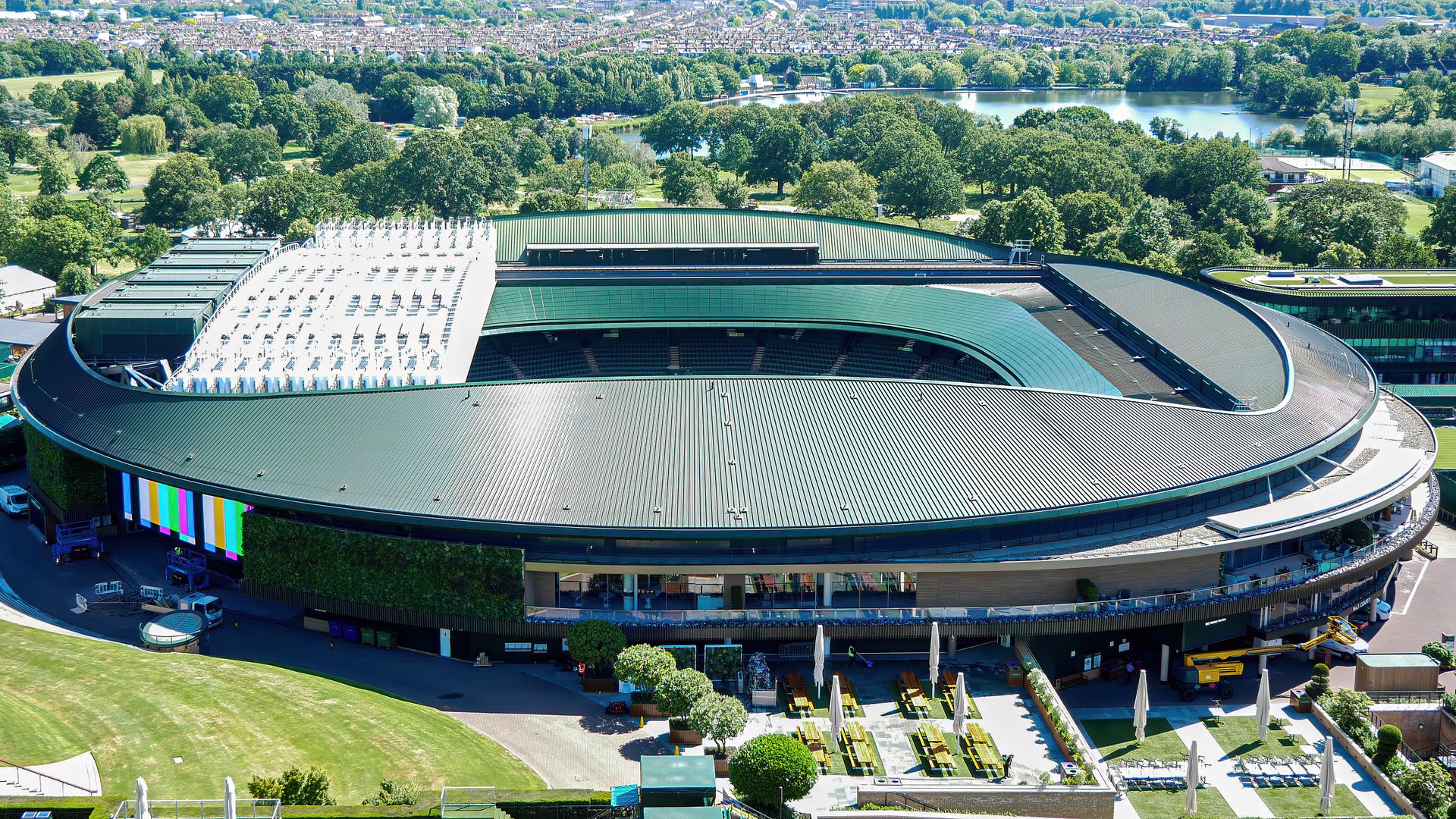
Naomi Osaka produced one of the standout results of her career on grass, beating world number one Aryna Sabalenka to reach the quarter-finals of Wimbledon, according to the BBC. The victory over the top-ranked player marked a significant moment in Osaka's long journey back toward the summit of women's tennis.
The win carried extra weight because of the surface. Osaka's four Grand Slam titles all came on hard courts, and grass has historically been the surface where she has struggled most, its low bounce and quick pace an awkward fit for her game. To reach the last eight at Wimbledon, and to do so by defeating the world number one, ran against much of her own history at the tournament.
Sabalenka arrived as the favourite. As the top-ranked player in the world and one of the most powerful hitters in the game, she posed exactly the kind of test that has troubled Osaka in recent years. Overcoming an opponent of that stature, on a surface that has not favoured her, made the result all the more notable.
Osaka's presence at this stage is itself part of a larger comeback story. Her career has included prolonged absences from the tour and a period away connected to motherhood, and her return has been closely followed by a sport that has long regarded her as one of its biggest draws. Each deep run rekindles the question of whether she can again contend for the biggest titles.
Off the court, Osaka has spoken openly in recent years about mental health, becoming one of the most prominent athletes to bring that conversation into the mainstream of elite sport. That candour has shaped how her comeback is viewed, framing her results not just as sporting outcomes but as part of a personal journey followed by many beyond tennis.
Reaching a Grand Slam quarter-final is a concrete marker of progress. It signals a level of consistency and form across a week of matches that goes beyond a single upset, and it places Osaka among the last eight at one of the sport's most prestigious events, a stage she had not been reaching regularly since her return.
For Sabalenka, the defeat is a setback in a season carrying the expectations that come with the top ranking. Even the strongest players are vulnerable to an opponent finding form at the right moment, and the unpredictability of grass-court tennis, where matches can turn on fine margins, is part of what makes the Wimbledon fortnight so compelling.
Osaka's run also adds to the sense of an open field at the tournament. When a top seed falls, the draw shifts and opportunities widen for those who remain, and a former world number one rediscovering her level introduces a compelling variable into the closing stages of a Grand Slam.
The challenge, as ever, does not ease. A quarter-final brings another demanding opponent and the need to sustain the level that produced the win over Sabalenka. Grass rewards consistency and nerve, and going further will require Osaka to reproduce her form against fresh opposition on a surface that has tested her before.
Still, the victory stands on its own as a statement. Beating the world number one at Wimbledon, on the surface long seen as her weakest, is the kind of result that can reshape a comeback narrative. For Osaka and the many following her return, the win is evidence that her best tennis remains within reach at the sport's biggest events.
Read next
England beat Mexico in Azteca thriller to reach World Cup quarter-finals
England reached the World Cup quarter-finals with a dramatic win over hosts Mexico at the Estadio Azteca, according to ESPN. Jude Bellingham struck twice in quick succession before a red card left England to hold on with ten men in a tense finish.
Vingegaard takes early edge over Pogačar as the Tour de France begins
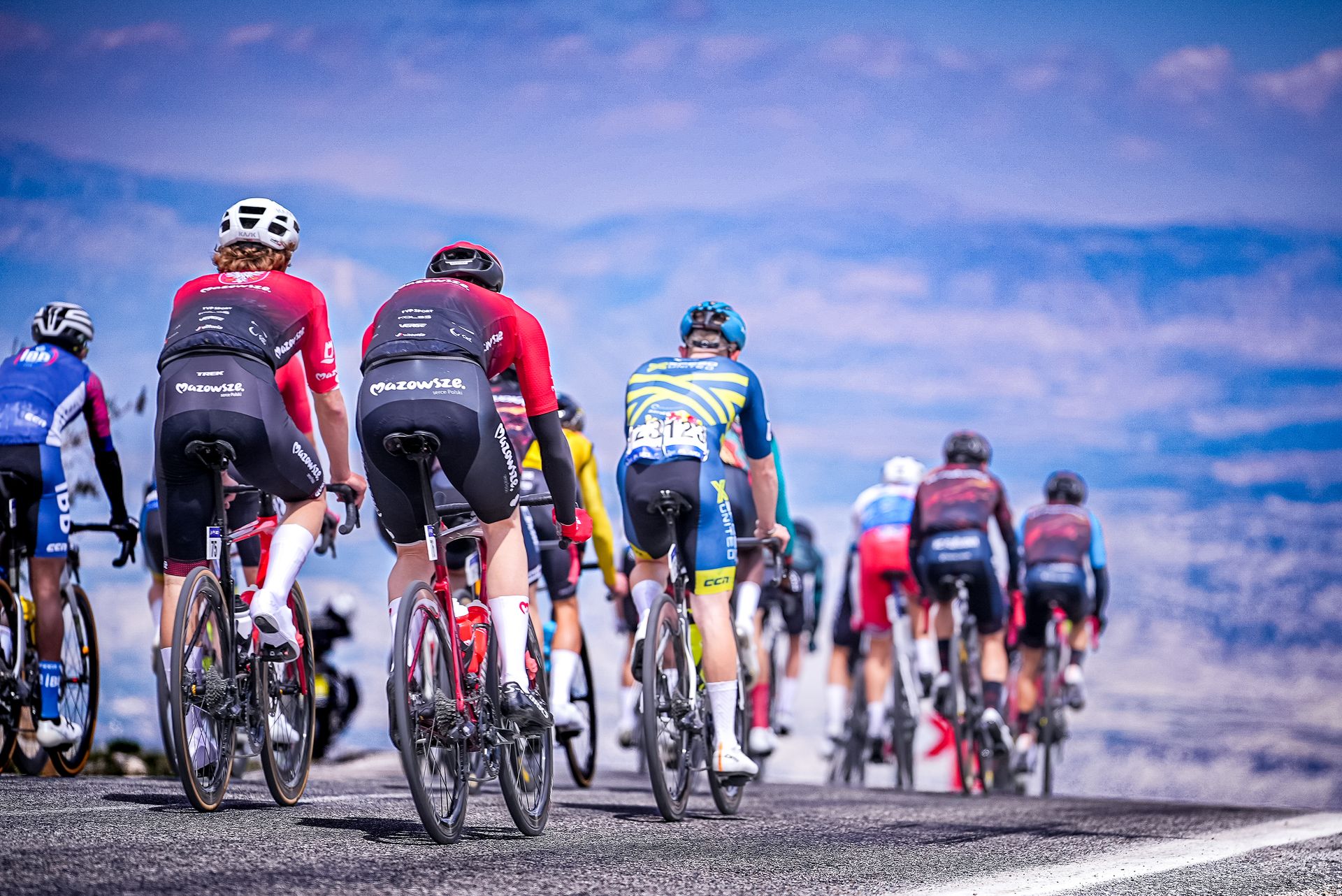
Jonas Vingegaard has gained an early advantage over defending champion Tadej Pogačar in the opening stages of the Tour de France, ESPN reports, reigniting cycling's defining modern rivalry. Three weeks of racing lie ahead, but the first exchanges have set an intense tone.

France beat Paraguay to reach World Cup quarter-finals as Mbappé scores penalty
France reached the World Cup quarter-finals after Kylian Mbappé's penalty settled a tense, physical last-16 tie against a resolute Paraguay, ESPN reports. Mbappé described the contest as an 'ugly' battle, praising his side for grinding out a hard-fought win.
Djokovic ties Federer's Wimbledon record with his 105th win at the All England Club
Novak Djokovic has equalled Roger Federer's record of 105 match wins at Wimbledon, a milestone confirming his enduring place among the tournament's greatest players. The victory keeps his latest campaign at the All England Club alive.
Argentina survive Cape Verde scare, edging a World Cup thriller in extra time
Argentina avoided one of the biggest upsets in World Cup history, edging debutants Cape Verde in extra time after a dramatic contest. The defending contenders were pushed to the limit before advancing, with questions raised about their form.