AI slop movies explained: the direct-to-video cash grab, reinvented
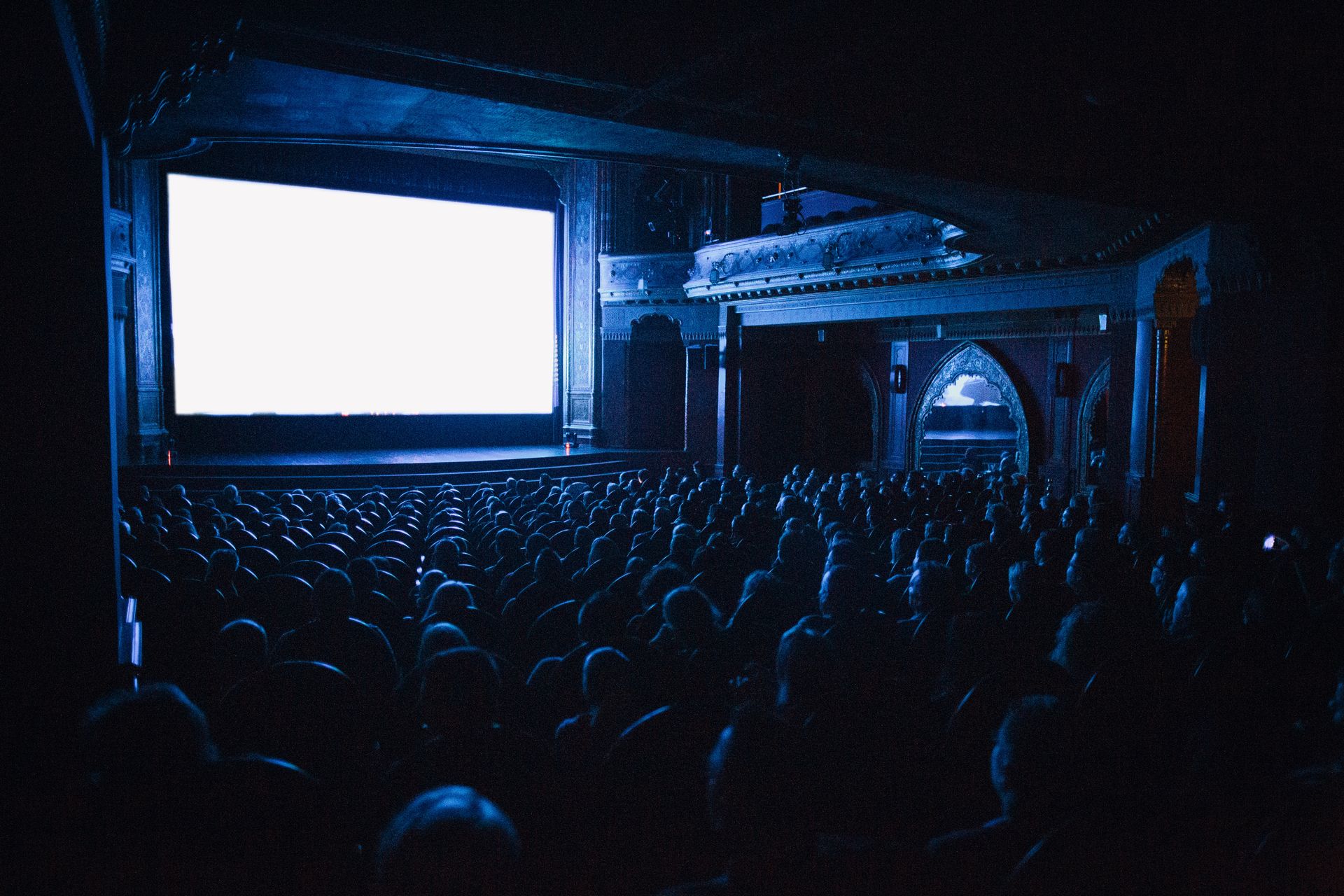
Christopher Nolan's big-budget adaptation of The Odyssey is drawing crowds to cinemas this weekend, projected to earn somewhere between $80 million and $100 million in its opening days. Riding on that same wave of public attention, a small studio called Fountain 0 announced it is racing to complete its own AI-generated reimagining of the same Homeric epic, a project with a fraction of the budget and none of the production infrastructure of Nolan's version, aiming to capture some of the search traffic and curiosity generated by the bigger film.
The term critics and audiences have settled on for this category of film is "AI slop," a deliberately unflattering label that has emerged over the past couple of years to describe content produced quickly and cheaply using generative AI tools, prioritizing speed and volume over craft. The term originated in discussions of AI-generated images and short-form video flooding social media feeds, and has since expanded to cover feature-length films that use AI for scriptwriting, visual generation, voice synthesis, or some combination of all three, produced on timelines and budgets that would be impossible with traditional filmmaking.
What makes this pattern notable isn't that cheap, opportunistic filmmaking is new. Direct-to-video studios have chased the coattails of major theatrical releases for decades, producing lookalike titles designed to confuse shoppers browsing video store shelves or, more recently, streaming platform search results. Titles engineered to be mistaken for a bigger studio's release, often with similar names or nearly identical cover art, are a well-established tactic that predates AI by a long way. What's changed is the production cost and speed: a direct-to-video knockoff used to require, at minimum, actors, a crew, sets or locations, and weeks or months of production time. An AI-generated version can, in principle, be assembled by a much smaller team in a fraction of that time.
That speed advantage is precisely why AI slop movies tend to cluster around major releases rather than emerging on their own timeline. Being first, or at least early, to capture search interest and streaming platform recommendation algorithms around a trending title matters more than matching its quality, since the audience being targeted is often people casually searching for "Odyssey movie" without a strong preexisting intent to see Nolan's specific film. A cheaply and quickly produced alternative that surfaces in the same search results can capture a meaningful slice of that traffic simply by existing at the right moment.
The quality gap between these two categories of production tends to be immediately obvious to anyone watching more than a few minutes, which raises the question of why AI slop movies keep getting made despite rarely converting casual viewers into satisfied ones. The economics answer that question more than the craft does: because production costs are so low, even a modest number of views or a small fraction of streaming revenue can make a project profitable in a way that would be impossible for a traditionally produced film with actual sets, actors and crew salaries to cover.
For streaming platforms and search engines, AI slop presents an unusual moderation challenge distinct from the misinformation or spam problems those platforms are more accustomed to policing. These aren't fraudulent claims or fake information; they're legitimately produced, if hastily made, films that happen to be positioned to capture attention intended for something else. That makes them harder to justify removing outright, even as they degrade the experience of anyone searching for information about a genuinely major release and instead surfacing a lower-quality opportunist riding its coattails.
For audiences, the practical takeaway is closer to the kind of media literacy that became necessary once algorithmically generated content started appearing widely across search results and social feeds: a title, thumbnail or search result resembling a major release doesn't guarantee it's connected to that release, and checking the actual studio, cast, or production credits before committing to watch something has become a small but increasingly necessary step in navigating a media landscape where imitation has become dramatically cheaper to produce than the thing being imitated.
Whether AI slop movies remain a curiosity confined to opportunistic small studios or become a more entrenched part of how content gets produced and discovered will likely depend on how quickly the tools for generating them improve relative to how quickly platforms and audiences develop ways to filter them out. For now, Fountain 0's Odysseus project sits as one data point in a pattern that has become familiar every time a major theatrical release draws enough public attention to be worth imitating cheaply and quickly.
Read next

Stripe and Advent's reported $53 billion bid for PayPal, explained
Payments company Stripe and private equity firm Advent International have reportedly made a joint offer worth more than $53 billion to acquire PayPal, according to people familiar with the matter. Here's what such a deal would mean for the online payments industry, and why it would face serious regulatory hurdles.
What is a zero-day, and why do they keep slipping past Patch Tuesday
A newly disclosed Windows vulnerability, dubbed HiveLegacy, emerged the same day Microsoft shipped a record number of security patches, a coincidence that highlights how zero-day flaws and the routine patching cycle interact. Here's what a zero-day actually is, and why Patch Tuesday hasn't solved the problem.

How AI music generators source training data, and why it keeps ending in controversy
A hack that exposed internal source code at AI music generator Suno appears to reveal the company scraped decades of audio from YouTube to train its models, reviving a familiar fight over how generative AI companies source the material they train on. Here's the underlying pattern behind these recurring disputes.

What is an open-weight AI model, and why does Thinking Machines' Inkling matter
Thinking Machines, the AI startup founded by former OpenAI chief technology officer Mira Murati, has released its first open-weight model, Inkling, after a year and a half spent building infrastructure largely out of public view. The release is a bet against the industry's dominant one-size-fits-all approach to AI.

25 years of Google Image Search: how visual search has evolved
Google is marking the 25th anniversary of Image Search with a redesigned, AI-powered gallery that continuously updates based on a user's interests. The overhaul is a reminder of how far the tool has come since launching as a simple keyword-matching feature.