Dish files for Chapter 11 bankruptcy but says it will keep operating
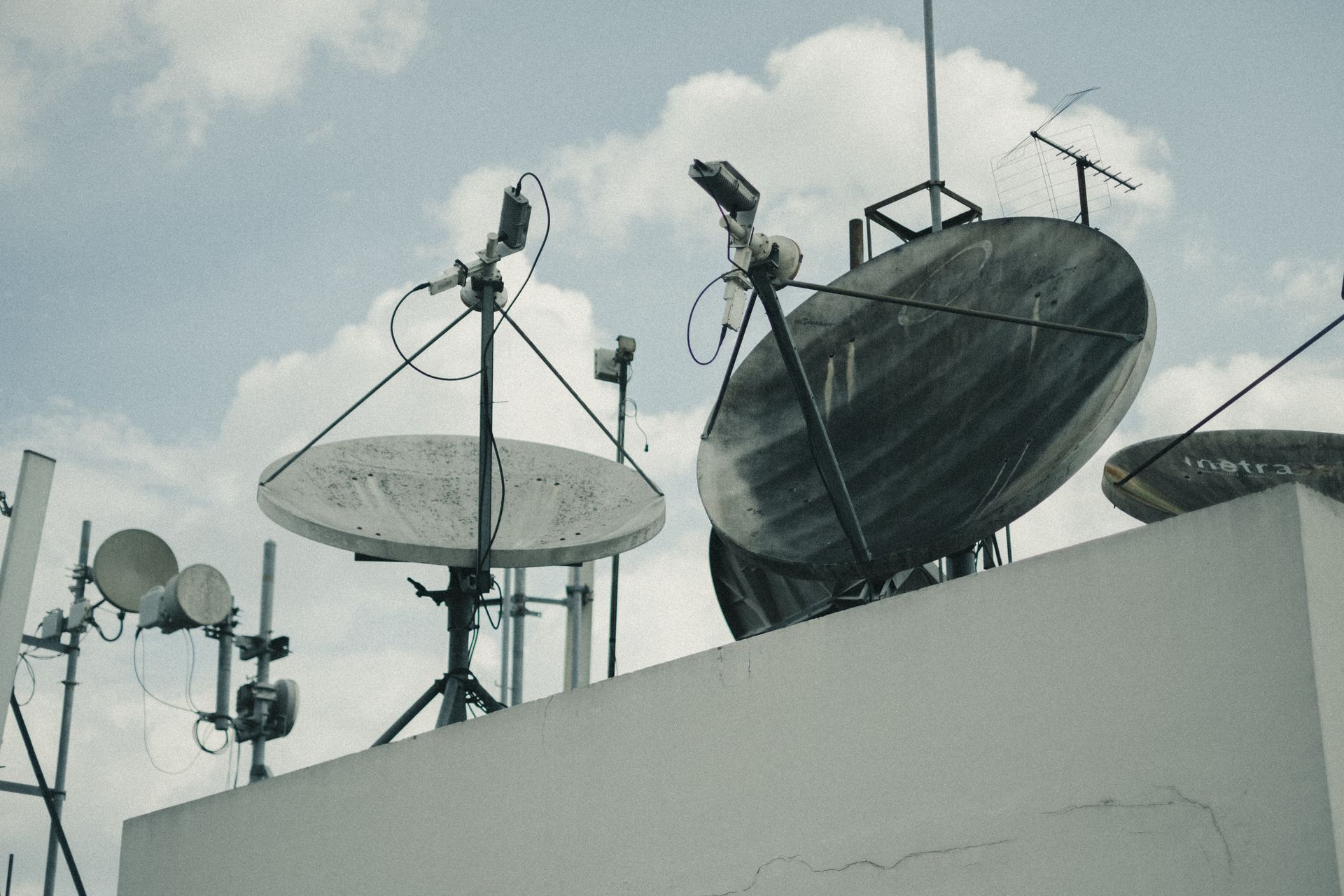
Dish, the satellite television and wireless company, has filed for Chapter 11 bankruptcy protection while saying it intends to keep operating throughout the process, according to The Verge. The filing is a significant moment for a business that has struggled to reinvent itself, moving from a declining pay-TV model toward an ambitious and expensive bet on building a new wireless network.
Chapter 11 is a form of US bankruptcy that allows a company to reorganise its debts while continuing to run, rather than shutting down and liquidating its assets. It is often described as a tool for buying time, giving a business breathing room to restructure what it owes and to renegotiate obligations under court supervision, with the goal of emerging as a viable operation on a more sustainable financial footing.
For customers, Dish's emphasis on continuing to operate is meant to signal that services will keep running during the restructuring. In a Chapter 11 process, companies frequently maintain day-to-day operations, and existing customers typically see little immediate change. The reorganisation is aimed primarily at the company's balance sheet and its relationships with creditors, rather than at its services to subscribers.
Dish's difficulties trace back to the broader decline of traditional pay television. As viewers have shifted to streaming services delivered over the internet, satellite and cable providers have lost subscribers steadily, a phenomenon known as cord-cutting. That erosion put long-term pressure on Dish's core business and pushed the company to search for a new source of growth to offset the shrinking television side.
The answer Dish pursued was wireless. The company invested heavily in acquiring spectrum, the radio-frequency licences needed to run mobile networks, and set out to build a new nationwide wireless carrier from the ground up. Constructing such a network is enormously capital-intensive, requiring years of spending on equipment, towers and infrastructure before it can generate meaningful revenue, and the effort saddled the company with substantial debt.
The combination of a declining legacy business and the cost of the wireless build-out created a demanding financial situation. Servicing large debts while a new network is still being established, and while the older business continues to shrink, is a difficult balance, and it is that pressure that a Chapter 11 reorganisation is designed to address by restructuring the debt load.
The outcome of a bankruptcy process is not predetermined. Some companies use Chapter 11 to shed debt and emerge leaner and more competitive; others end up selling assets or being absorbed by rivals. Which path Dish follows will depend on negotiations with creditors, the value of its spectrum and other holdings, and its ability to convince the court and lenders that a restructured business can succeed.
Dish's spectrum holdings are a particularly important factor. Spectrum is a scarce and valuable resource, and the licences the company accumulated for its wireless ambitions carry significant worth regardless of the fate of the network itself. Those assets are likely to feature prominently in any restructuring, whether they are retained to support a reorganised company or sold to raise funds and satisfy creditors.
The wider context is an intensely competitive and capital-hungry telecommunications market. Building and running a wireless network puts a newcomer up against established carriers with vast existing infrastructure and customer bases, a challenge that has proven formidable for those attempting to break in. Dish's situation illustrates how difficult and costly it can be to enter that market while simultaneously managing a shrinking traditional business.
For now, the immediate message from the company is continuity: operations are set to carry on while the financial reorganisation proceeds. The longer-term question is what Dish looks like on the other side of the process, and whether the wireless ambitions that contributed to its debt burden can be salvaged, restructured or handed to others as the company works through Chapter 11.
Read next

Apple takes its App Store fee fight with Epic to the US Supreme Court
Apple is asking the US Supreme Court to weigh in on its long-running legal battle with Epic Games over App Store fees and rules, according to Ars Technica. The case centres on how much control Apple can exert over payments and commissions on its platform.

The 'Father of the Internet' retires: what Vint Cerf and TCP/IP built
One of the pioneers widely called a father of the internet is retiring, according to TechCrunch. The occasion is a chance to revisit how the protocols he helped create, TCP/IP, turned a patchwork of separate networks into the single global internet.

Why AI browsers are risky: how prompt-injection attacks slip past the guardrails
A newly described attack shows how AI-powered browsers can be tricked into ignoring their safety rules, according to Ars Technica. The technique highlights prompt injection, a core weakness in systems that let AI models read web pages and act on their contents.

Fusion power milestone: how Realta Fusion turned a reaction directly into electricity
Fusion start-up Realta Fusion says it has generated electricity directly from a fusion reaction, in what it describes as an apparent first, according to TechCrunch. The claim, if borne out, points to a different route to fusion power that skips the usual step of boiling water to drive a turbine.

Gemini's personalized AI image generation is now free for US users
Google is making Gemini's personalized AI image generation free for users in the United States, TechCrunch reports. The move lowers the cost of a popular feature and intensifies competition among consumer AI image tools.