Mach Industries spends $50M acquisition to crack a key defence-tech bottleneck
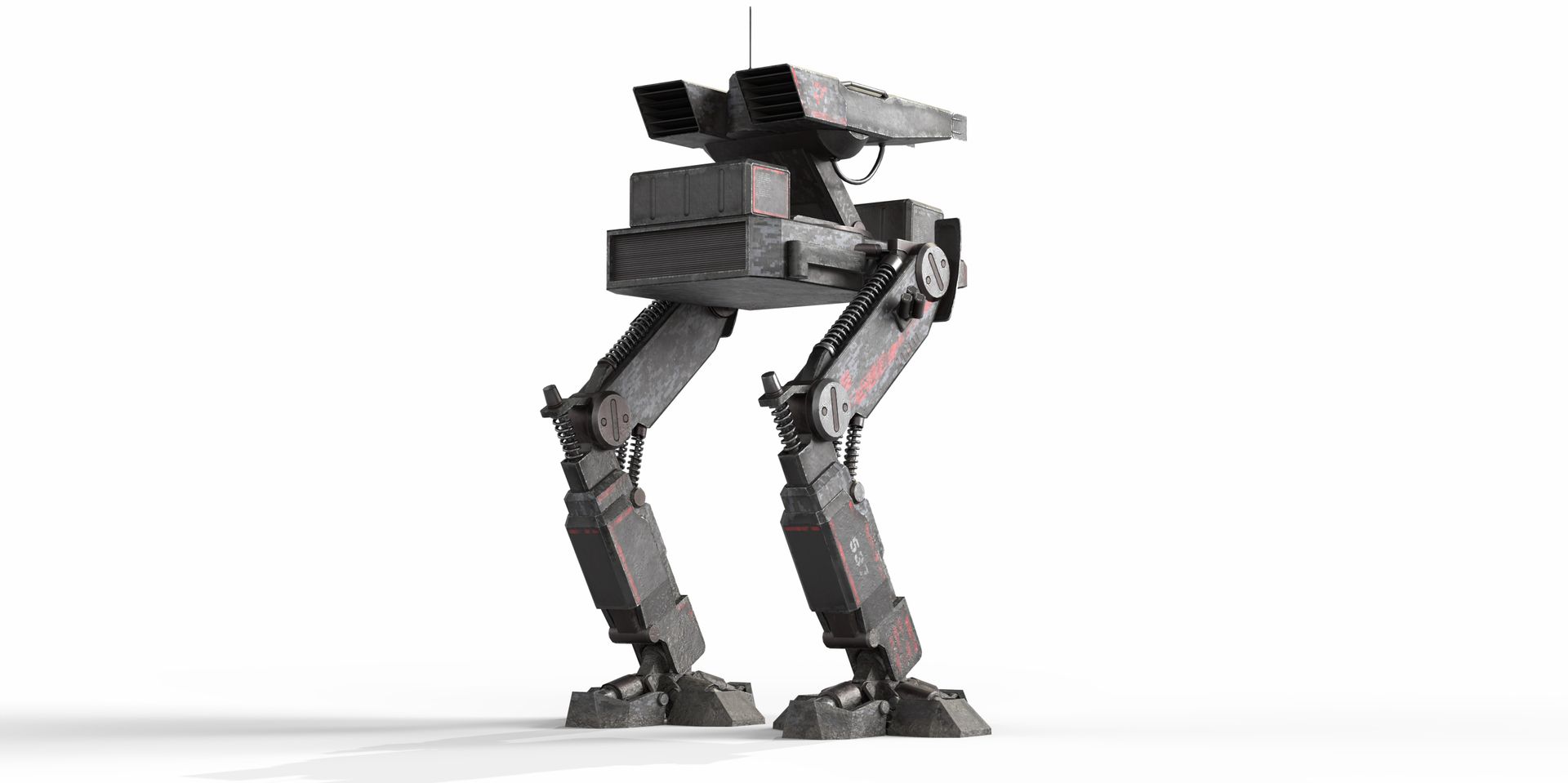
Mach Industries, a US-based maker of AI-enabled military-defence vehicles, has made the news with a strategic move at the start of a key sectoral period. The company announced a $50 million acquisition agreement; the name of the acquired firm has not yet been disclosed, but according to information that has reached TechCrunch, the acquisition is intended to substantially improve the production efficiency of Mach's five active military vehicle programmes.
Mach Industries is a start-up that has, in recent years, joined the main private-sector suppliers in the Pentagon's defence-technology modernisation programme. The company develops autonomous underwater, ground and aerial vehicles, and has positioned itself on the innovation side of the modernisation programme particularly through AI-based navigation and decision-support systems.
The technical rationale for the acquisition decision was a supply-chain bottleneck around a specific component in the production line. Mach was sourcing a specialist sensor/actuator module — on which all five vehicle programmes depend — from outside the company; this created a weak point in terms of both cost and delivery time. The acquisition brings the module's manufacturer directly into Mach.
According to internal information obtained by TechCrunch, the deal projects an estimated 23-30 percent reduction in unit costs. That is critical for a defence-technology company because US Department of Defense contracts are often fixed-price; the positive unit economics of the company — every vehicle produced delivering a net margin — are the foundation of long-term sustainability.
Mach Industries CEO Ethan Thornton said, in comments to TechCrunch, that "the acquisition came at exactly the moment we needed to scale. It will make it easier to hit our 2026-27 production targets across all five programmes." Thornton has planned a roughly six-month transition period to integrate the newly acquired facility with Mach's existing California production line.
Defence technology investment has, over the past three years, become an area of substantial large-cap private capital attention in the US. Andreessen Horowitz's "American Dynamism" portfolio has put billions into companies such as Mach; Founders Fund's defence-focused investments have also grown. This trend is the concrete investment counterpart to the Pentagon's message of "we want innovation faster than Silicon Valley."
Mach's strategic positioning is meaningfully different from that of traditional defence contractors (Lockheed Martin, Northrop Grumman, Boeing Defense). The company is built on a model of vehicles that can be updated by continuous software updates, rather than the traditional customer-contractor model. This "software-defined defence" approach aims to integrate AI and data analytics into battlefield decisions.
There are critics, of course. Defence policy analyst Mandy Schmidt told TechCrunch: "Rapid scaling always looks attractive; but the Pentagon's certification processes for defence vehicles are out of phase with speed. For a start-up like Mach to be rapidly scaling all five programmes at once introduces a serious risk for quality control."
Another of Mach's competing strategies is the "swarm strategy" — handling a target collectively with a large number of cost-effective small autonomous vehicles. That approach, supercharged in the Ukraine war by the effective use of small unmanned aerial vehicles (drones), offered US defence planners a new model. Mach is trying to extend it to all battlefields, including land and underwater.
The $50 million acquisition is being framed as an extension of Mach's $500 million funding round in 2024. The company is using part of its funding for organic growth — new engineering hires, expansion of the production line — and part for inorganic growth, in the form of supplier integrations such as this acquisition. The next 12 months will be a period that tests both Mach's and the broader defence-technology start-up sector's market maturity.