How Apple's failed self-driving car project built its most powerful AI chips
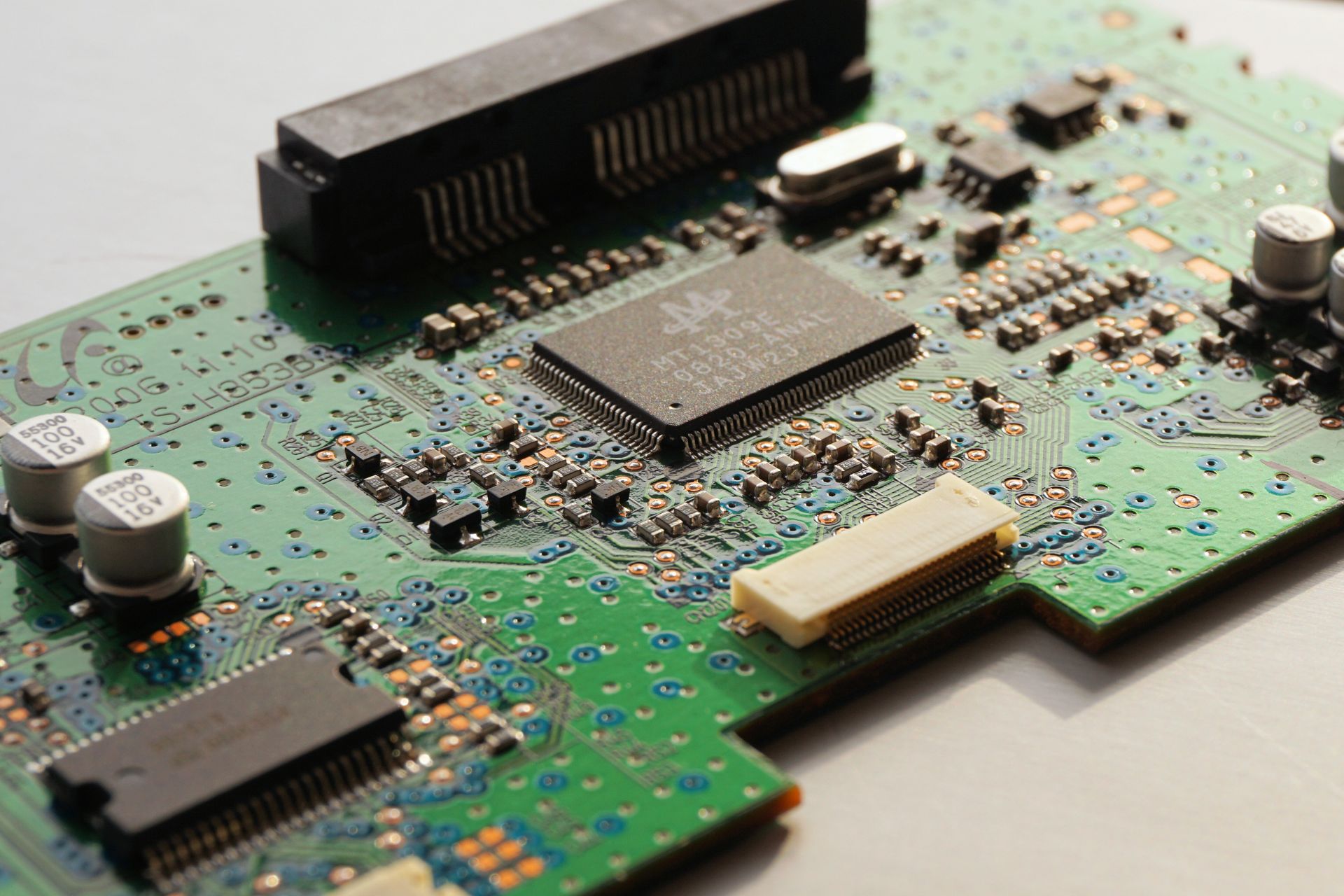
Apple's self-driving car initiative is remembered as one of the most secretive and most talked-about projects in the company's history. After years of work, the program was officially shut down and no Apple-branded vehicle ever hit the road. But details that have recently emerged show just how critical that "failed" project turned out to be for the company's current AI hardware strategy.
In the early stages of developing the autonomous driving platform, Apple's engineers confronted a hard truth: for a vehicle to perceive and interpret its surroundings in real time, it needed on-device AI processing power far beyond what existing hardware at the time could offer. Relying on cloud-based processing carried an unacceptable latency risk for driving safety.
That need pushed Apple to develop its own custom AI processor architecture from scratch. The chip designed for the self-driving car was never completed and never reached production, but the engineering knowledge and design principles gained along the way were not wasted.
According to details in Apple senior editor Mark Gurman's latest "Power On" newsletter, that technical foundation built for the self-driving car project fed directly into what became the company's dedicated AI processing unit, the Neural Engine. Present in virtually every Apple device today, that component was built on architectural principles inherited from the earlier car project.
The Neural Engine first reached consumers with the iPhone X and the A11 Bionic chipset. At the time, its primary uses were relatively modest by today's standards: powering Face ID's facial recognition, real-time facial expression tracking for Animoji characters, and general computer vision tasks — a far cry from today's large language models and generative AI applications.
But that first step laid the groundwork for everything that followed. Apple has steadily expanded the Neural Engine's processing capacity with each new chip generation, and the component now forms the backbone of on-device AI features ranging from text suggestions to photo analysis, voice command processing and live translation.
Industry analysts say the story offers a striking lesson about Apple's approach to research and development: a project's commercial failure doesn't mean the technology it produced was worthless. Even though the self-driving car project is publicly regarded as a "failure", the value it added to the company's chip design capabilities is felt today across billions of devices.
The episode also helps explain why major technology companies are pouring huge investment not just into software, but into custom hardware, in the AI race. While most rivals have focused on cloud-based AI processing power, Apple's on-device processing strategy carves out a different competitive space, built around privacy advantages and low latency.
Experts expect the engineering legacy left by Apple's self-driving car project to keep shaping the company's future AI hardware plans. Future chip generations are expected to house even more powerful AI processing units.
In the end, a self-driving car project that never made it to the road continues to shape the technology world through an indirect but lasting legacy — concrete proof that even a seemingly failed R&D effort can lay the groundwork for one of a company's most valuable future assets.
Read next

Why communities are fighting AI data centers: the land-use battle explained
Long before the AI boom began straining local power grids, a small group of activists laid the groundwork for a resistance movement now spreading to dozens of communities nationwide. Here's how the fight against data centers started, and why it keeps growing.

What is frame dragging, and how an orbiting 'disco ball' tested Einstein
Earth may not carry anywhere near the mass of the sun, but its rotation still gently twists the fabric of space-time around it. Scientists used a small, mirrored satellite in orbit to put that subtle prediction of Einstein's general relativity through its most precise test yet.

China recovers its first reusable rocket, and shows a new way to do it
China has successfully recovered the first stage of an orbital rocket for the first time, a milestone in its push toward reusable launch technology. But the landing method it used differs notably from SpaceX's familiar vertical-landing approach.

Apple sues OpenAI over alleged trade secret theft: what the lawsuit claims
Apple has filed a lawsuit accusing OpenAI of stealing its trade secrets, alleging the misconduct was directed by OpenAI's senior leadership, including a longtime former Apple employee. The suit marks an escalation of the rivalry between the two companies onto legal terrain.
SpaceX wants 100,000 more Starlink satellites for 100x the bandwidth — here's how
SpaceX has filed to expand its Starlink satellite network far beyond its current size, aiming to boost total network bandwidth by a factor of 100. Here is how the company plans to pull that off, and why it says it needs a constellation this large.