China and US to seek lower tariffs on $30 billion worth of goods each, Beijing says
China's Commerce Ministry said Beijing and Washington will begin negotiations to lower tariffs on $30 billion worth of goods each, following the Trump-Xi summit. The agreement is being seen as a clear easing of global trade tensions and a positive signal for cross-Pacific supply chains.
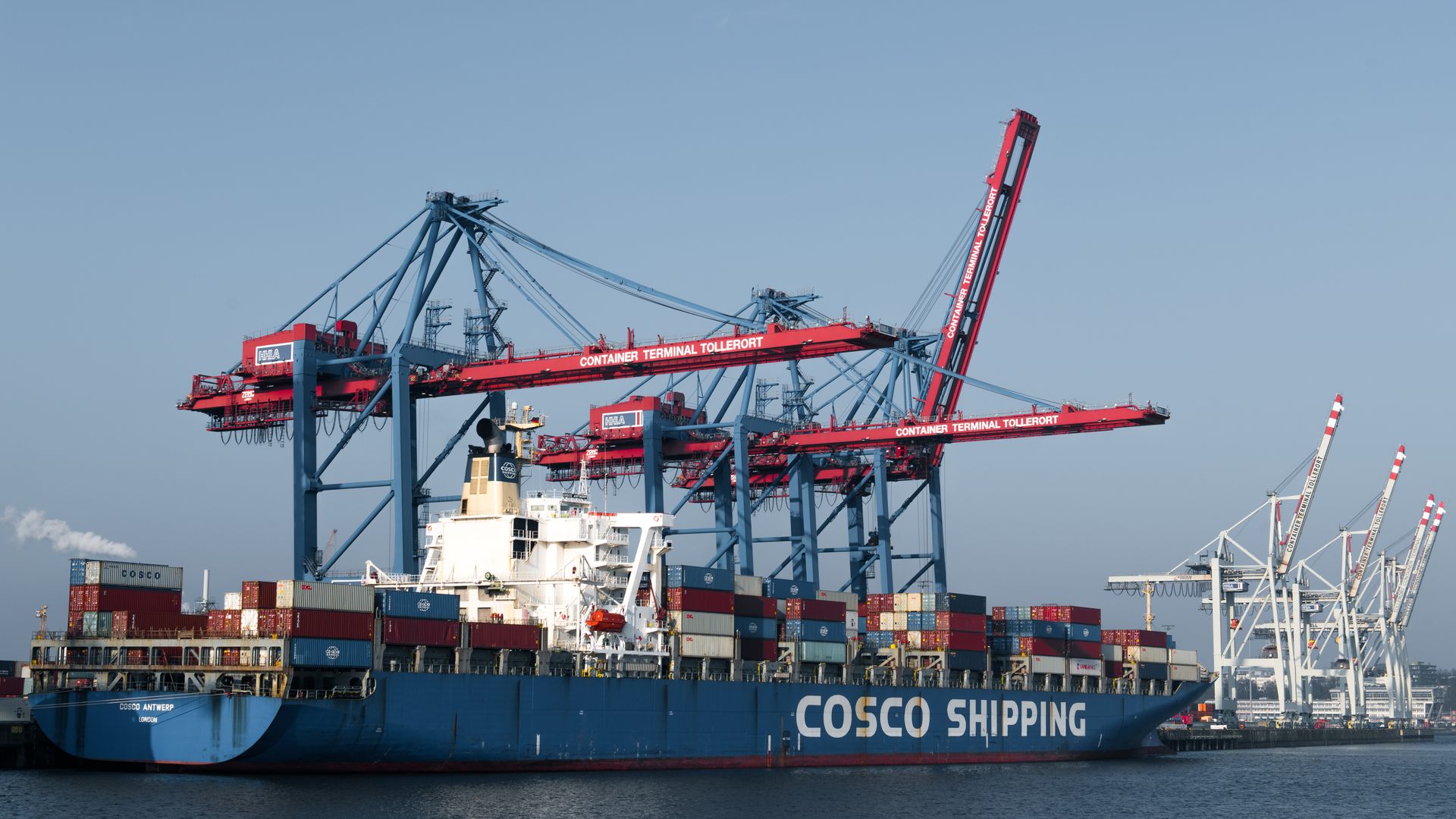
China's Commerce Ministry said in a written statement that the two countries had reached a preliminary agreement following the Trump-Xi summit to lower tariffs on $30 billion in goods each. The talks will cover agriculture, automotive, machinery and electronics, according to the announcement.
The Office of the US Trade Representative confirmed the deal, saying technical committees will work in parallel in Beijing and Washington. Officials called it the first significant pull-back in the aggressive tariff regime that has been in place since mid-2024.
Market reaction was positive. The Shanghai Composite rose 1.8% and Hong Kong tech stocks ended the week up nearly 4%. Analysts said the deal could support a gradual recovery in Chinese exports, while structural tensions over Taiwan and technology export controls remain unresolved.
More from Asia

India may tighten capital controls to halt rupee slump, Citi says
A Citigroup report forecasts that the Reserve Bank of India is preparing to tighten capital outflow controls after the rupee weakened 7.2 percent against the dollar in the past six months. Likely measures include lowering individual foreign exchange transfer limits and exporter income repatriation rules.
Japan to bolster sea lane defence with Southeast Asia info-sharing plan
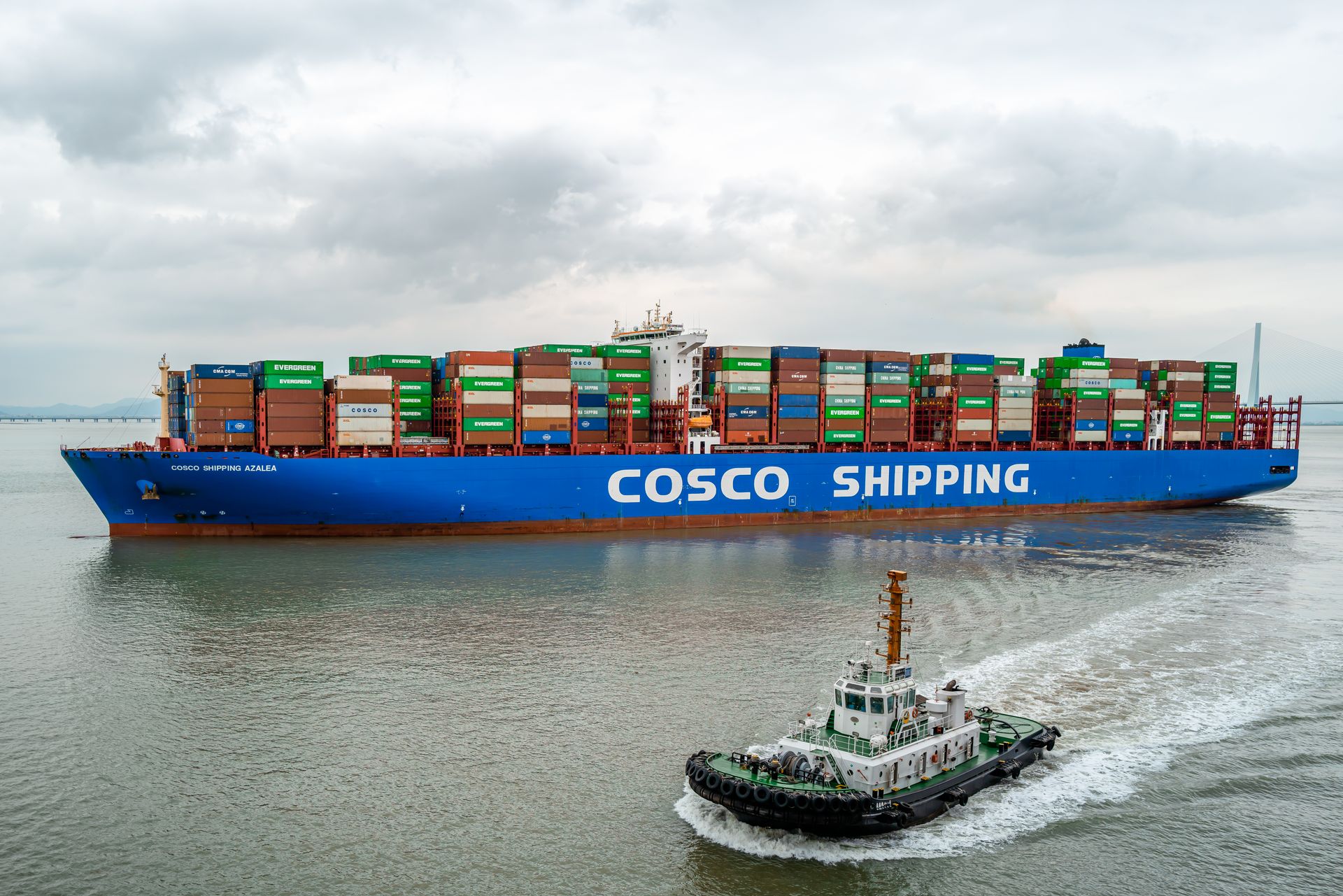
Japan will set up a broad maritime information-sharing framework with Southeast Asian countries, led by the Philippines, Vietnam and Indonesia. With the Hormuz crisis and South China Sea tensions in the background, Tokyo is moving to protect critical trade lanes.

Meta cuts 8,000 jobs, including more than 100 in Singapore, in AI-driven efficiency push
Meta Platforms has begun cutting roughly 8,000 jobs globally. According to former employees, more than 100 positions in Singapore are affected. CEO Mark Zuckerberg cited efficiency gains and artificial intelligence-driven automation as the primary rationale.