Gaza Markets Restock Goods but Residents Still Can't Afford Basics
Goods have begun returning to markets in Gaza City as the ceasefire holds, but displaced Palestinians say soaring prices and scarce income leave them unable to afford basic food and supplies. Aid workers and residents describe a gap between restocked shelves and household purchasing power that continues to strain daily life.
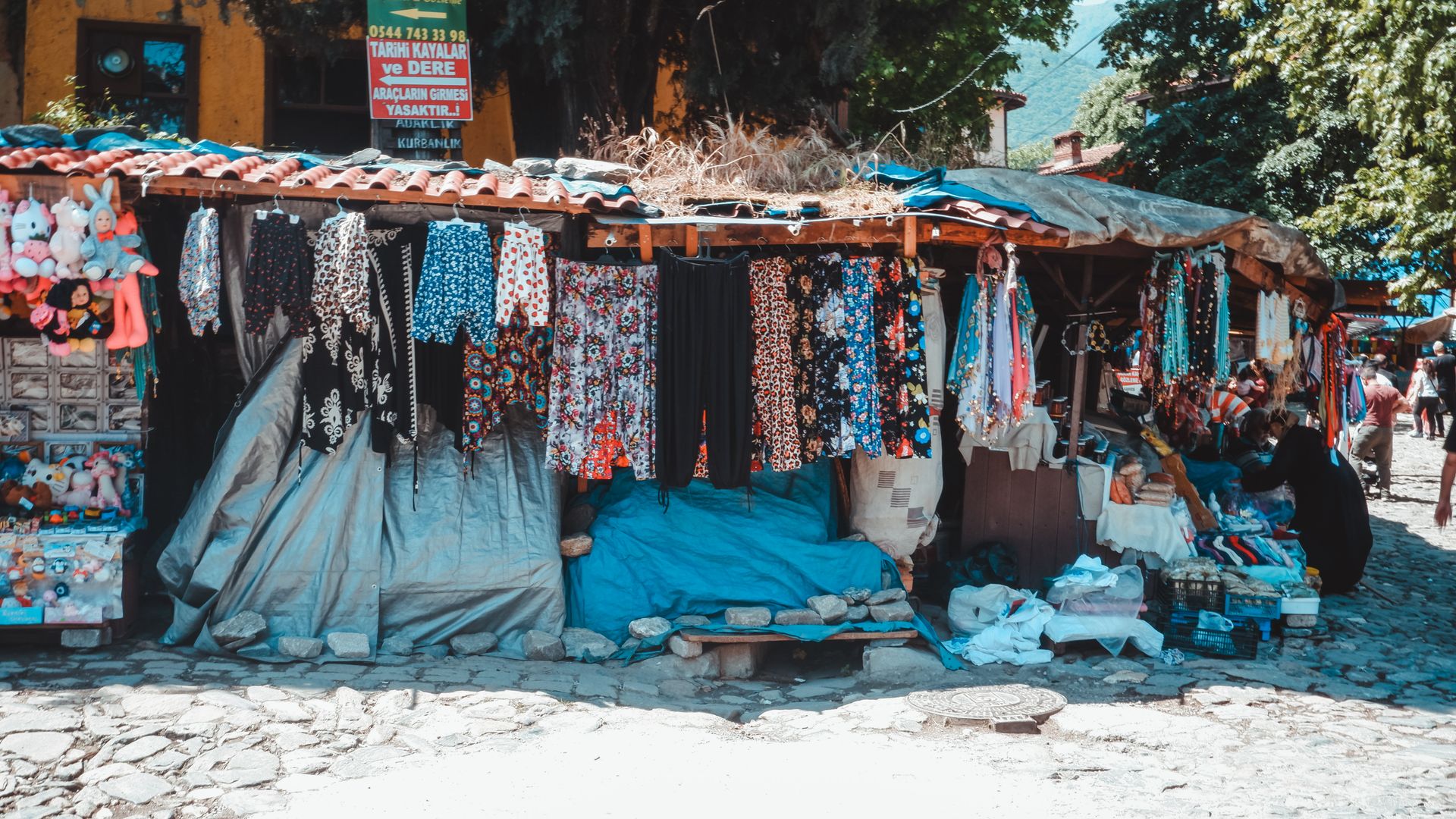
Markets in Gaza City have begun to fill with goods again as a ceasefire between Israel and Hamas holds, easing some of the supply shortages that marked the earlier phase of the war. Traders say trucks are reaching stalls more regularly, restoring a range of food and household items that had been scarce for months.
Despite the return of goods, many displaced Palestinians say they still cannot afford them. Residents describe soaring prices for basic staples alongside job losses and disrupted income that leave household budgets stretched thin. Aid workers say the gap between availability and affordability is now one of the most pressing daily challenges facing families across the territory.
Humanitarian organizations have called for expanded cash assistance and support for local livelihoods to help residents keep pace with market prices. Officials involved in Gaza's reconstruction planning say restoring purchasing power, not just supply chains, will be central to any durable recovery.
Read next

Trump Warns Iran of 'Very Hard' Strike if Hormuz Strait Stays Closed
US President Donald Trump said Iran would be "hit very hard" if the Strait of Hormuz does not reopen to shipping soon, even as Secretary of State Marco Rubio and Treasury Secretary Scott Bessent said talks had advanced toward resuming shipments. Oil prices fell on signs the standoff over the vital waterway may be easing.

Netanyahu Caught Between Trump and Coalition Ministers Over Hamas Deal

India's Reserve Bank Holds Key Rate Steady to Protect Growth Momentum

Hong Kong Shipowners Association: 1,600 Crew Stranded in Strait of Hormuz Remain Safe