Trump and Lula's private Oval Office meeting eases lingering strain
The US and Brazilian presidents met privately at the Oval Office without appearing together publicly afterward. They traded compliments through statements but disclosed no concrete steps on trade tariffs or Amazon policy. The encounter was read as an attempt to defuse the strain between Washington and Brasília.
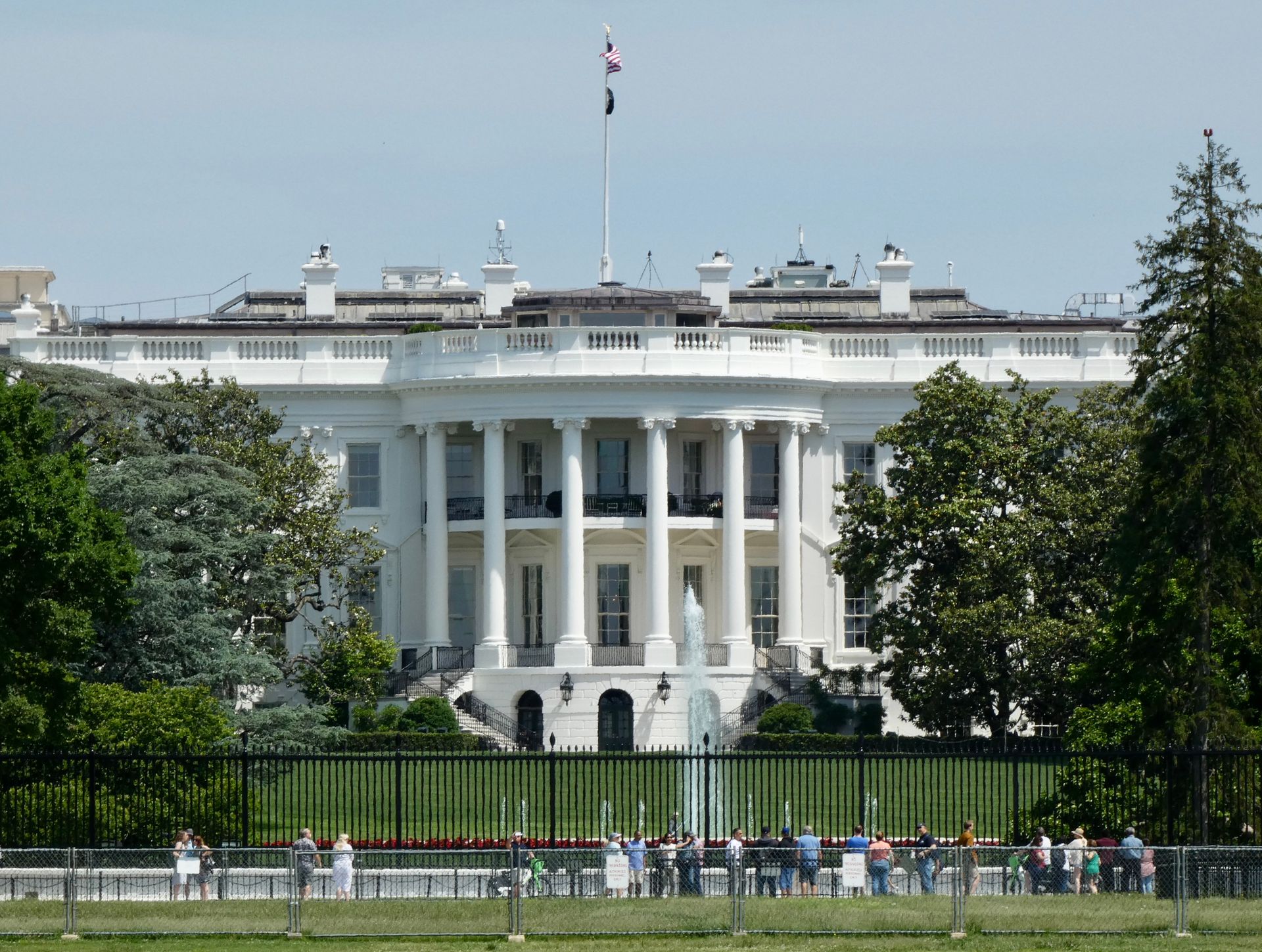
Donald Trump and Luiz Inácio Lula da Silva met behind closed doors at the White House rather than shake hands in front of the cameras. Both sides said the talks ran for several hours and covered a long list of items. Brazilian media described the leaders' tone as more measured than many had expected.
The two governments remain divided over US tariffs on Brazilian steel and ethanol, and over how to manage fire policy in the Amazon. Lula's post-meeting statement stressed shared interests, while Trump referred to Brazil as an important partner. No concrete agreement was announced.
The absence of a public photo opportunity or joint news conference was read as both sides protecting their domestic political flanks. With Brazil's electoral calendar drawing closer, Lula is expected to stay cautious in his Washington dealings. Technical talks at the delegation level are expected to continue in the coming weeks.
More from South America
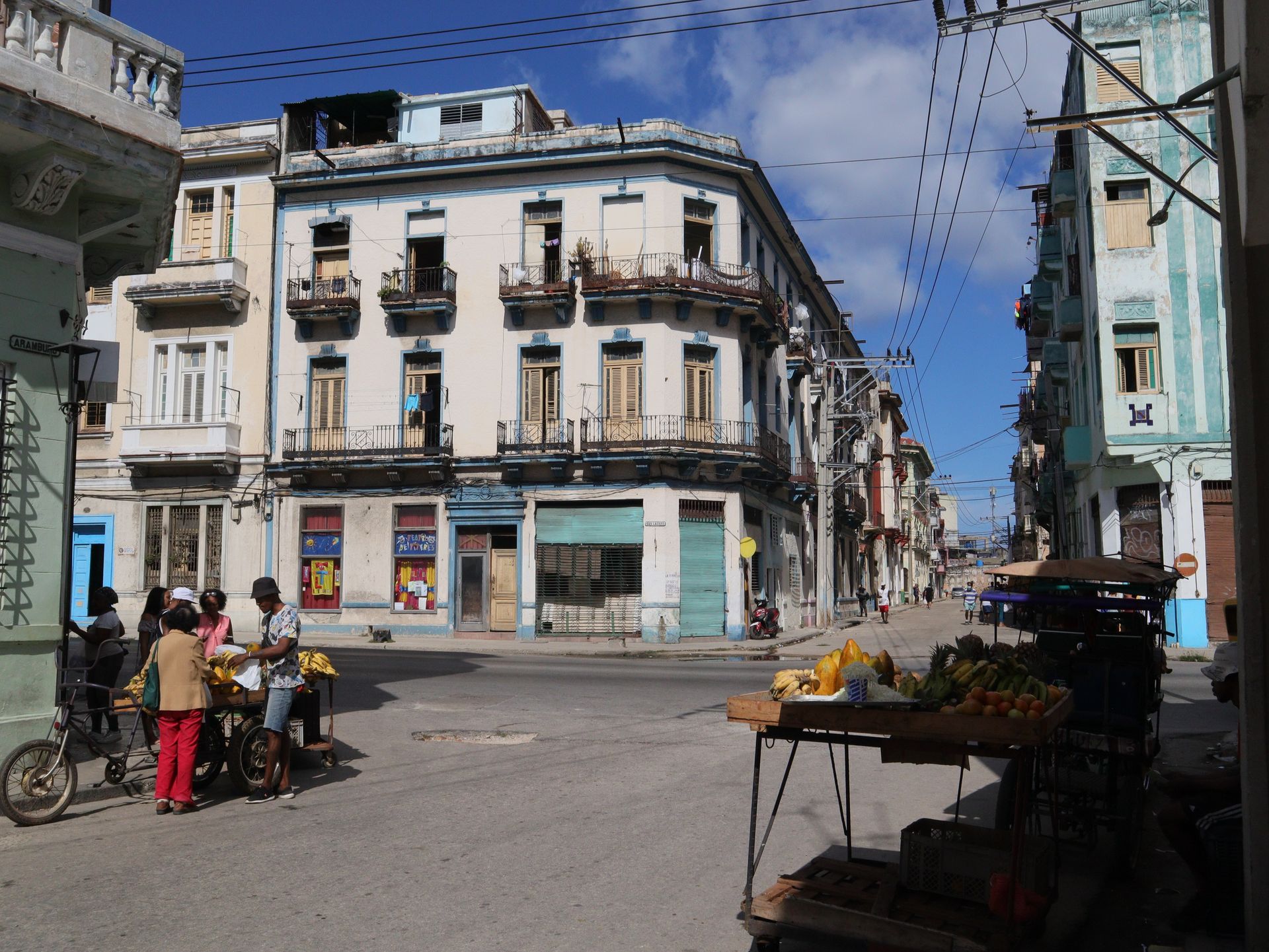
CIA chief visits Cuba as the island's energy crisis worsens
The CIA director's reported visit to Havana came after the United States renewed an offer of aid to ease the effects of its oil blockade. Blackouts and fuel queues are widening as Cubans continue to protest in the streets. Washington has opened an unusual back-channel with the island's government.

Three dead after monster truck crashes into crowd
A monster truck crashed into a crowd at a show in Colombia, killing at least three people and injuring 38. The incident raises fresh concerns about public safety at large events.

Colombia announces record $1.4 million bounty for rebel leader blamed in bomb attack
Colombia's government announced a record $1.4 million bounty for a rebel commander known as "Marlon," blamed for orchestrating a bomb attack that killed 20 people. The extraordinary reward underscores the government's intensified campaign against armed groups destabilizing the nation.