Hormuz strike survivor: I made it out, but my friend has not been found
Indian seafarer Vinod Raghavan has described how he survived last week's missile-and-drone strike on a cargo ship in the Strait of Hormuz. Raghavan called for the search to be extended for a friend whose body has not yet been recovered.

In an interview with BBC, Raghavan said the Greek-flagged oil tanker Achillas was hit twice in succession on the afternoon of 18 May about nine nautical miles inside the eastern approach to the Strait of Hormuz. Eighteen of the 24-strong crew were rescued in a major operation off the coast of Kuwait, three were killed and three remain missing.
Dimitri Vlachos, head of operations at owner Embiricos Shipping, said independent investigation findings confirmed that the two munitions were a ballistic missile and a powered drone. The Lloyd's of London Joint War Committee increased war-risk premiums in the area by 18% for the ship's classification cover.
Indian foreign ministry spokesman Randhir Jaiswal said Foreign Minister Jaishankar was continuing contacts with Omani and UAE authorities for an extension of the search for the missing seafarers. International Maritime Organization Secretary-General Arsenio Dominguez issued a statement calling for attacks of this kind against civilian shipping to be investigated under international law.
More from Middle East
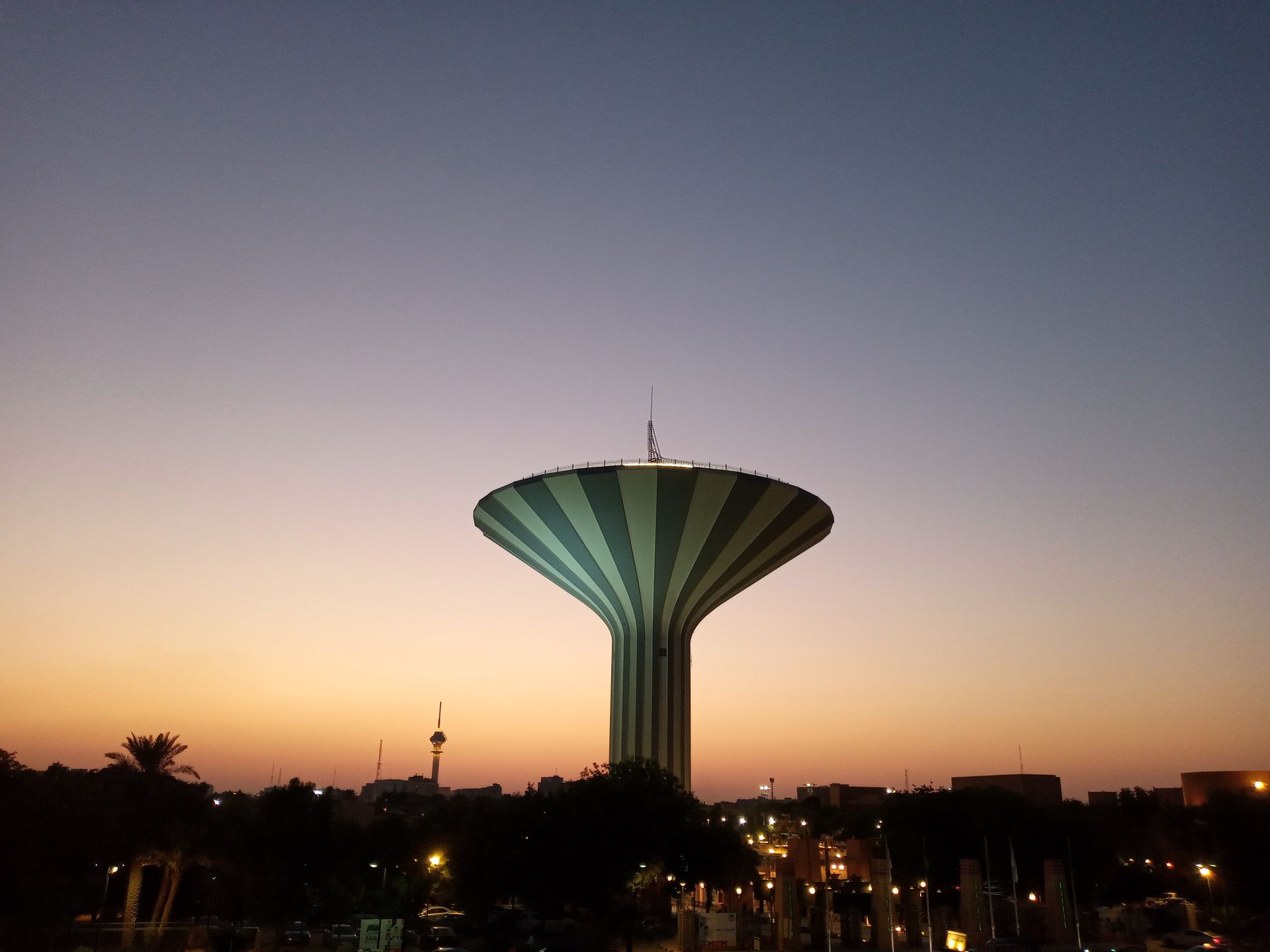
How Saudi Arabia's spending spree reached the end of the line
Saudi Arabia's Vision 2030 projects, led by Crown Prince Mohammed bin Salman, once looked like science fiction. A BBC analysis assesses how this era of vast spending has run into the realities of cost and revenue.

Syria holds legislative elections in former Kurdish-controlled areas
Syria is holding legislative elections in areas that were previously under Kurdish control. Al Jazeera reported on the voting in Hasakah and the town of Kobane.
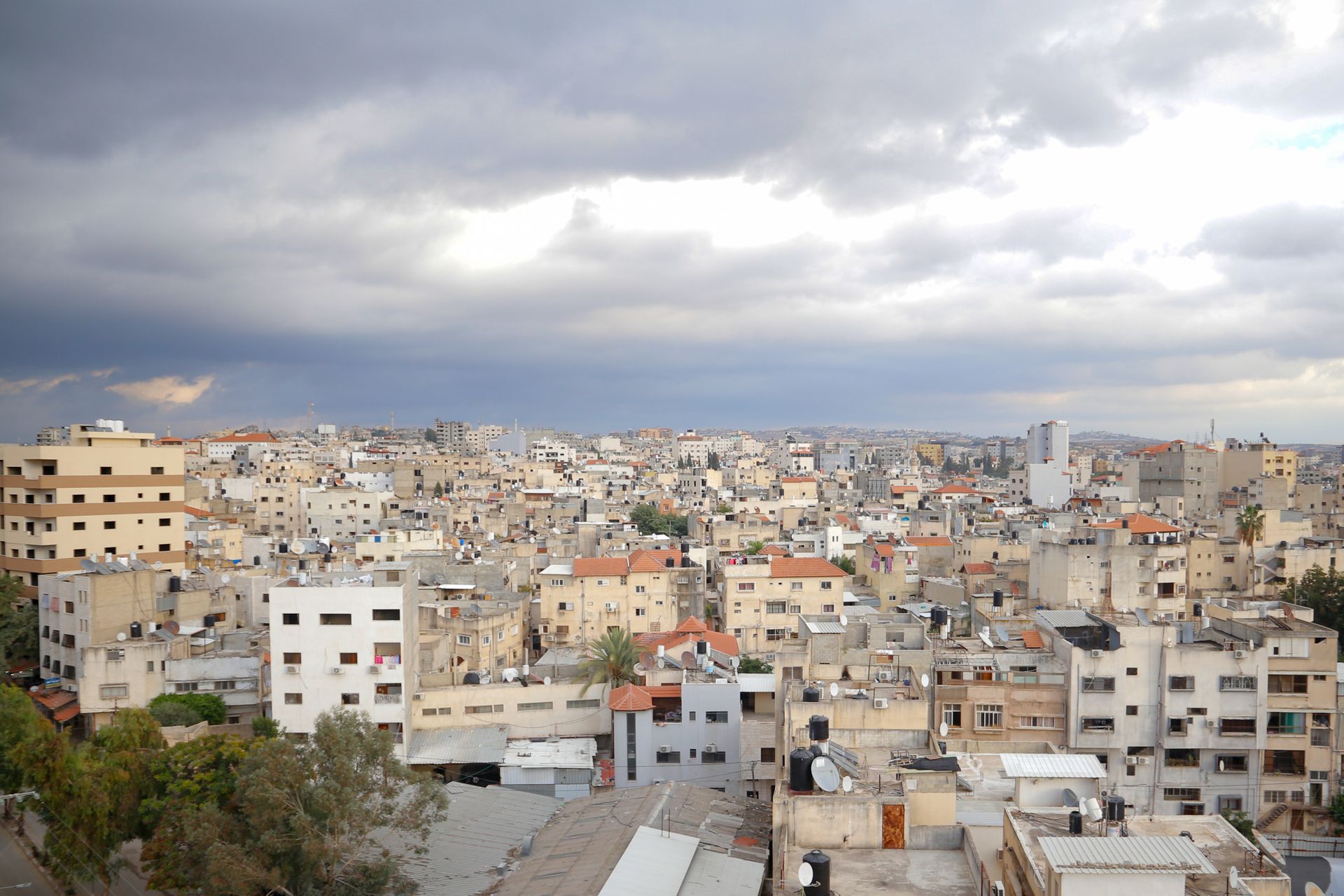
Palestinian President Abbas casts vote in decisive Fatah elections
Palestinian President Mahmoud Abbas cast his vote in internal Fatah elections that will reshape the movement's leadership structure. The ballot will set the agenda for governance priorities and succession planning in the post-Gaza war period.