Glassmaker questions future of UK manufacturing
A major UK glassmaker is publicly questioning the long-term future of British manufacturing, blaming high energy costs and weak investment, the BBC reported. The company's leadership called for a clear government policy to keep factories open.
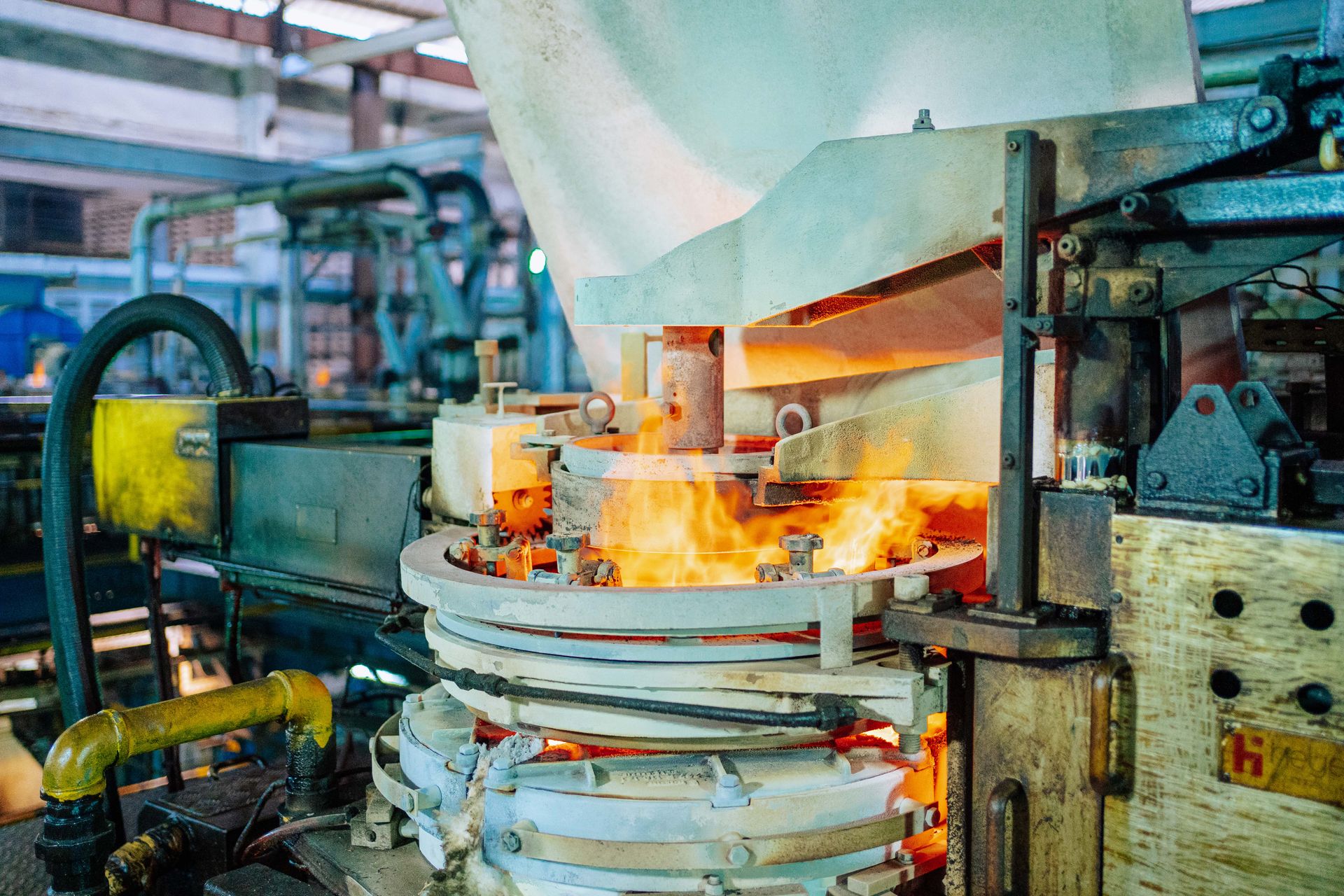
A long-established British glassmaker has publicly questioned the future of UK manufacturing, the BBC reported. The company's leadership argued that industrial electricity prices are far higher than at European peers, making furnace-based production unsustainable in the country.
The firm said investment decisions are on hold and that efficiency upgrades earmarked for existing sites are being redirected to plants on the European mainland. The producer called for a coherent industrial policy bundling long-term energy contracts, carbon-tax relief and incentives for modernisation.
The UK government is under broad pressure over the global competitiveness of energy-intensive sectors, including steel, cement, ceramics and glass. The choice between fiscal restraint and a wider package of industrial support has grown more sensitive amid uncertainty over the prime minister's future.
More from Europe

Minister Bayraktar shares Türkiye's energy vision with Belgian companies
Energy and Natural Resources Minister Alparslan Bayraktar shared Türkiye's energy vision and investment opportunities with Belgian company representatives. According to TRT Haber, the talks come after a recent defence-industry cooperation deal between the two countries.
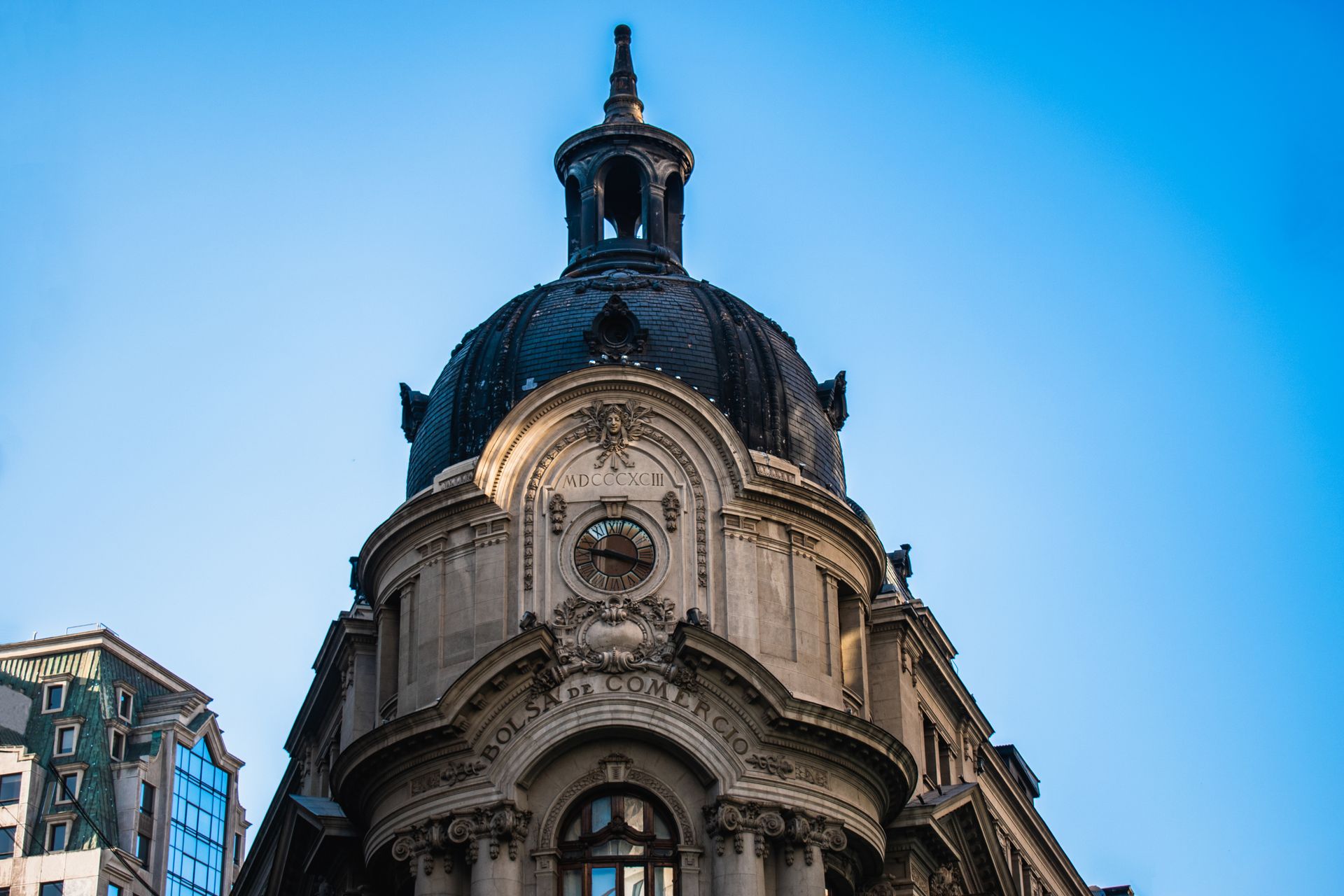
CBRT April Inflation Assessment: Annual inflation rises to 32.37 percent
The Turkish Central Bank released its April inflation assessment, showing consumer prices rose 4.18 percent month-on-month, while annual inflation climbed to 32.37 percent—up 1.50 percentage points. Energy prices surged 14.4 percent, with the underlying trend moving higher.
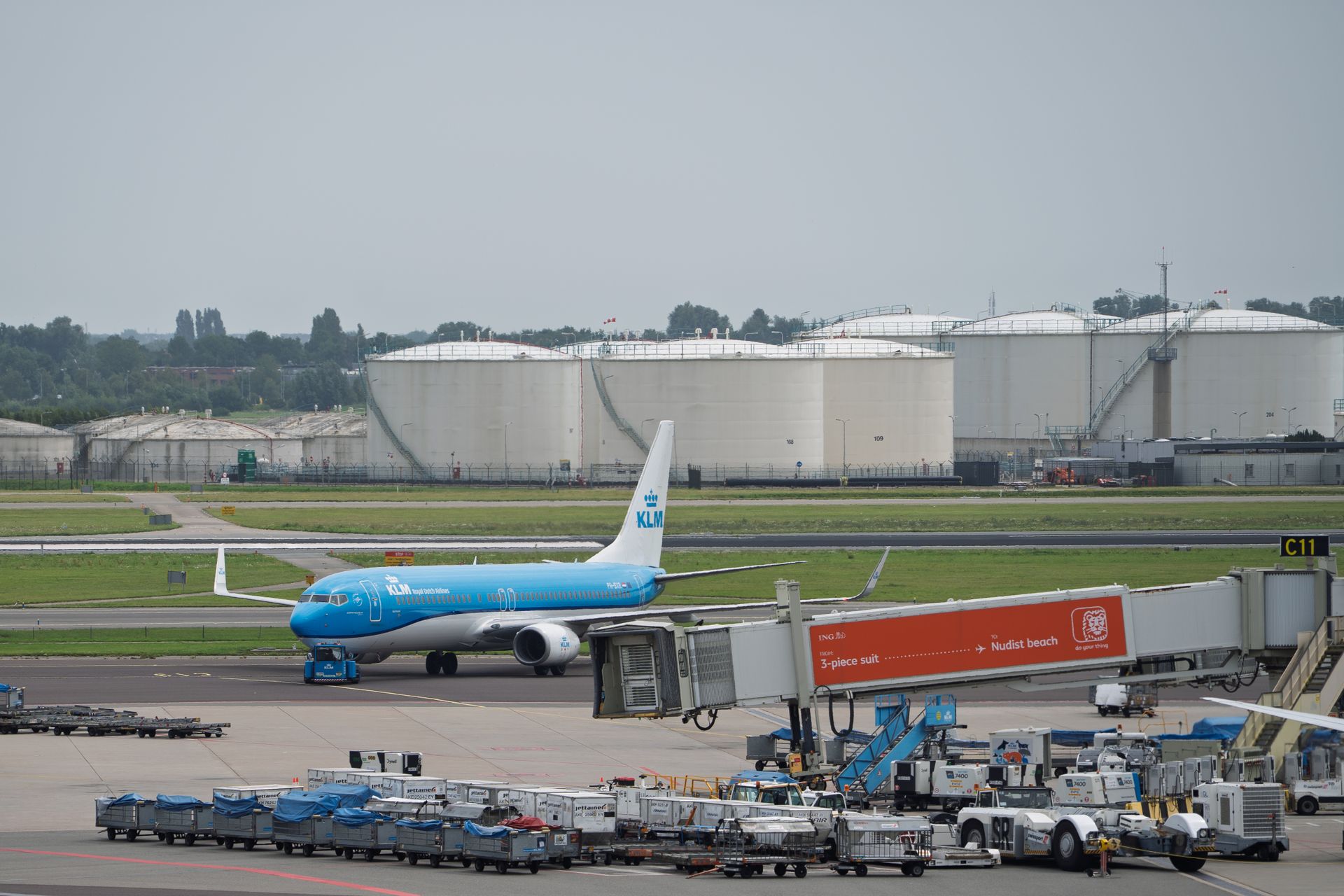
Airlines can cancel flights in advance over fuel shortages under new plans
Under new UK government plans, airlines can cancel flights in advance due to fuel shortages rather than wait until the last minute. This allows passengers time to rebook and make alternative arrangements.