Bank Indonesia raises policy rate by 0.5%, exceeding market expectations
Indonesia's central bank Bank Indonesia surprised markets by raising its policy rate by 50 basis points, twice the move forecast by analysts. The decision underscores how Asian central banks are stepping up to defend their currencies and contain inflation pressures driven by the Iran war shock.
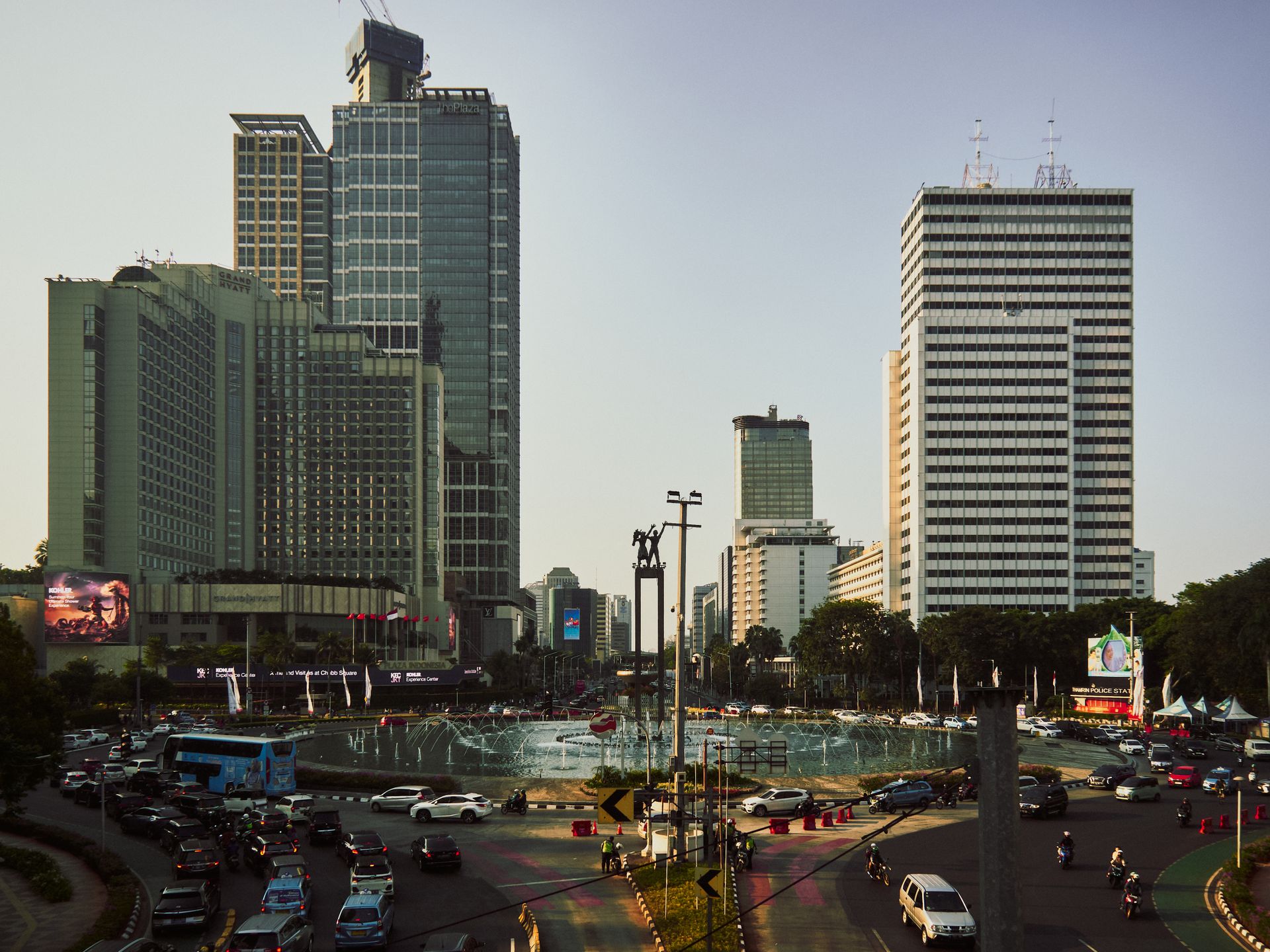
Bank Indonesia raised its benchmark rate to 6.75% at the June policy meeting, its third consecutive hike. Analysts had expected a more measured 25 basis-point move, and the larger decision triggered an immediate jump of more than 1% in the rupiah.
The governor said the move was directly linked to the impact of the Iran war on oil prices and to rising US Treasury yields. Indonesian annual inflation has been creeping up towards 4% in recent months, while core inflation has remained sticky.
The regional impact was strong. Central banks in the Philippines and India signalled they may consider similar tightening steps. Analysts say that, given Indonesia's exporter profile and dependence on commodity prices, the currency-rate correlation will be the key driver to watch in the coming weeks.
More from Asia

India may tighten capital controls to halt rupee slump, Citi says
A Citigroup report forecasts that the Reserve Bank of India is preparing to tighten capital outflow controls after the rupee weakened 7.2 percent against the dollar in the past six months. Likely measures include lowering individual foreign exchange transfer limits and exporter income repatriation rules.
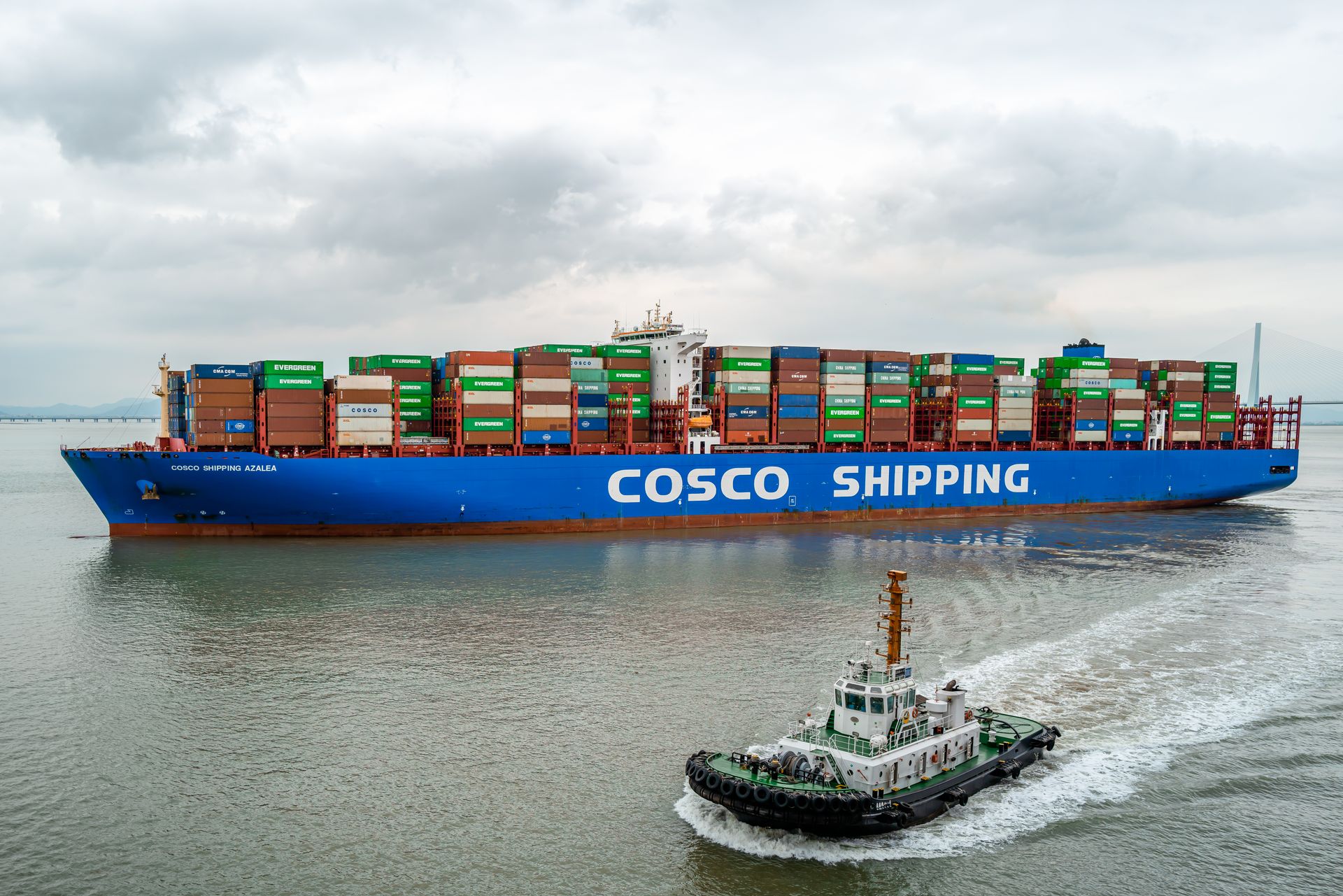
Japan to bolster sea lane defence with Southeast Asia info-sharing plan
Japan will set up a broad maritime information-sharing framework with Southeast Asian countries, led by the Philippines, Vietnam and Indonesia. With the Hormuz crisis and South China Sea tensions in the background, Tokyo is moving to protect critical trade lanes.

Meta cuts 8,000 jobs, including more than 100 in Singapore, in AI-driven efficiency push
Meta Platforms has begun cutting roughly 8,000 jobs globally. According to former employees, more than 100 positions in Singapore are affected. CEO Mark Zuckerberg cited efficiency gains and artificial intelligence-driven automation as the primary rationale.