US consumer sentiment hits fresh record low in May as Iran war fuels inflation worries
The University of Michigan's May Consumer Sentiment Index fell to 50.8, the lowest reading since records began in 1952. Households fear the U.S.-Iran war and oil prices above $100 will fuel inflation. The one-year inflation expectation jumped to 6.2 percent.

The University of Michigan's final May Consumer Sentiment Index came in at 50.8, below the 51.5 forecast and down from April's 52.2. The reading marks the lowest level since the survey began in 1952. Survey director Joanne Hsu said in a statement that confidence has fallen across every income tier since the U.S.-Iran war began.
One-year inflation expectations rose to 6.2 percent in May from 5.7 percent in April, the highest reading recorded since 1981. The five-year expectation climbed to 4.4 percent. Brent crude near $102 a barrel and the average U.S. gasoline price at $4.32 a gallon are squeezing household budgets directly. Quarterly reports from Walmart and Target show shoppers redirecting spending from discretionary categories toward fuel and discounted essentials.
Federal Reserve Chair Kevin Warsh, in his swearing-in remarks, said his 'commitment to the inflation target is uncompromising.' Futures markets nonetheless slashed odds of a July rate cut to 18 percent. JPMorgan chief U.S. economist Michael Feroli wrote that 'sentiment data does not directly forecast spending, but a sub-50 print would put recession risk back on the Fed's radar.' The upcoming Conference Board index and retail sales data will confirm the trend.
More from North America

Trump tells Warsh to be 'totally independent' as Fed chair: 'Don't look at me'
At the White House swearing-in ceremony, President Trump told new Fed Chair Kevin Warsh to be 'totally independent — don't look at me.' The statement contrasts with Trump's months of public criticism of former Chair Powell. Markets reacted cautiously; the 10-year Treasury yield eased to 4.42 percent.
UAE says OPEC exit was a strategic economic move, not political
The United Arab Emirates said its decision to leave OPEC was a strategic economic choice rather than a political one. Officials told CNBC the move lets the country deploy spare production capacity freely and align output with its energy diversification plans.
BlackRock weighs $5-10 billion investment in SpaceX IPO
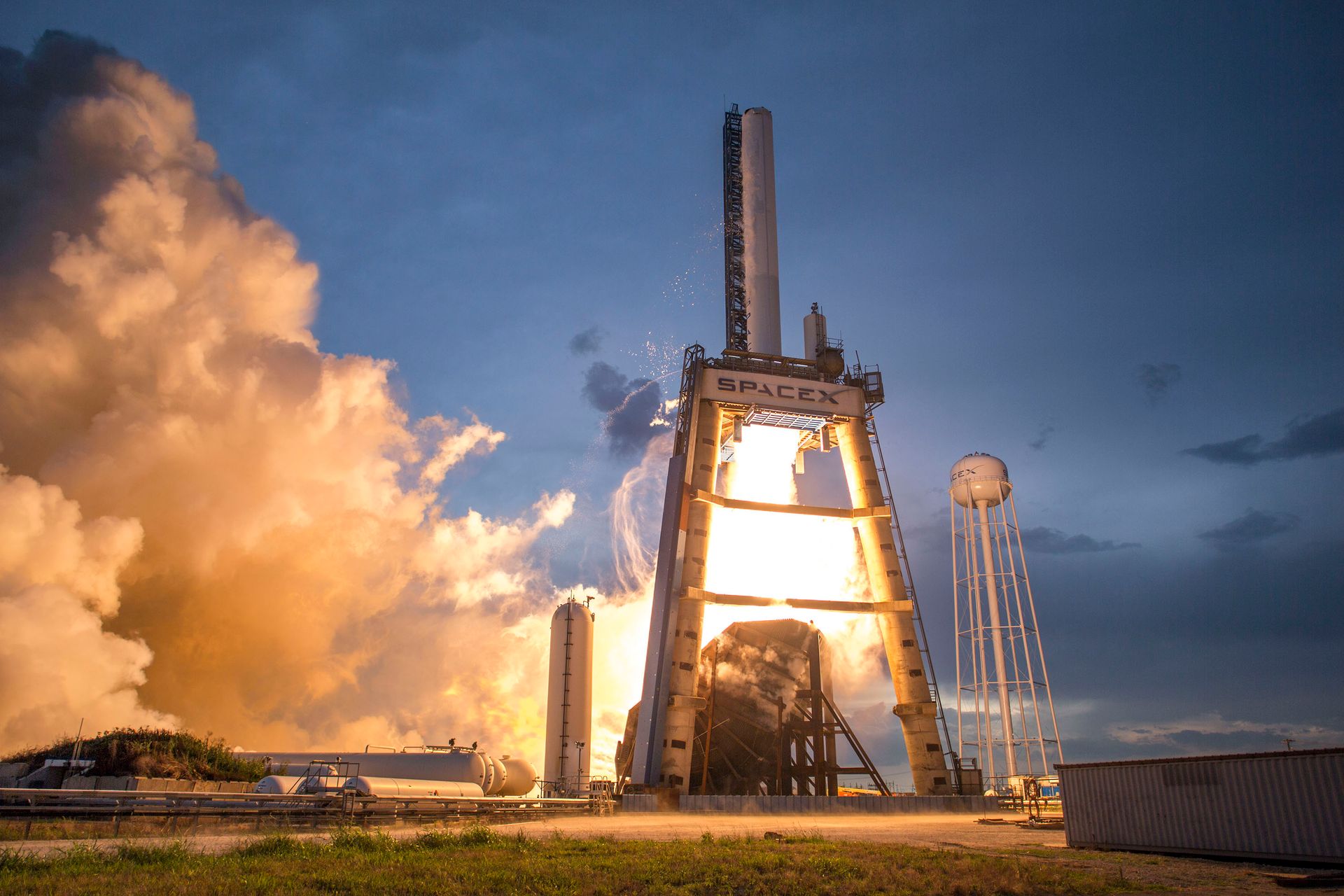
BlackRock is in talks to commit between $5 billion and $10 billion to SpaceX's upcoming initial public offering, The Information reported. The investment, if completed, would mark one of the largest single-firm commitments to a US listing in years.