Estee Lauder and Puig end talks over possible merger
US beauty giant Estee Lauder and Spanish perfume group Puig have ended merger talks that could have created a global luxury cosmetics company. The two sides could not bridge gaps on valuation and control structure, and will continue with independent strategies.
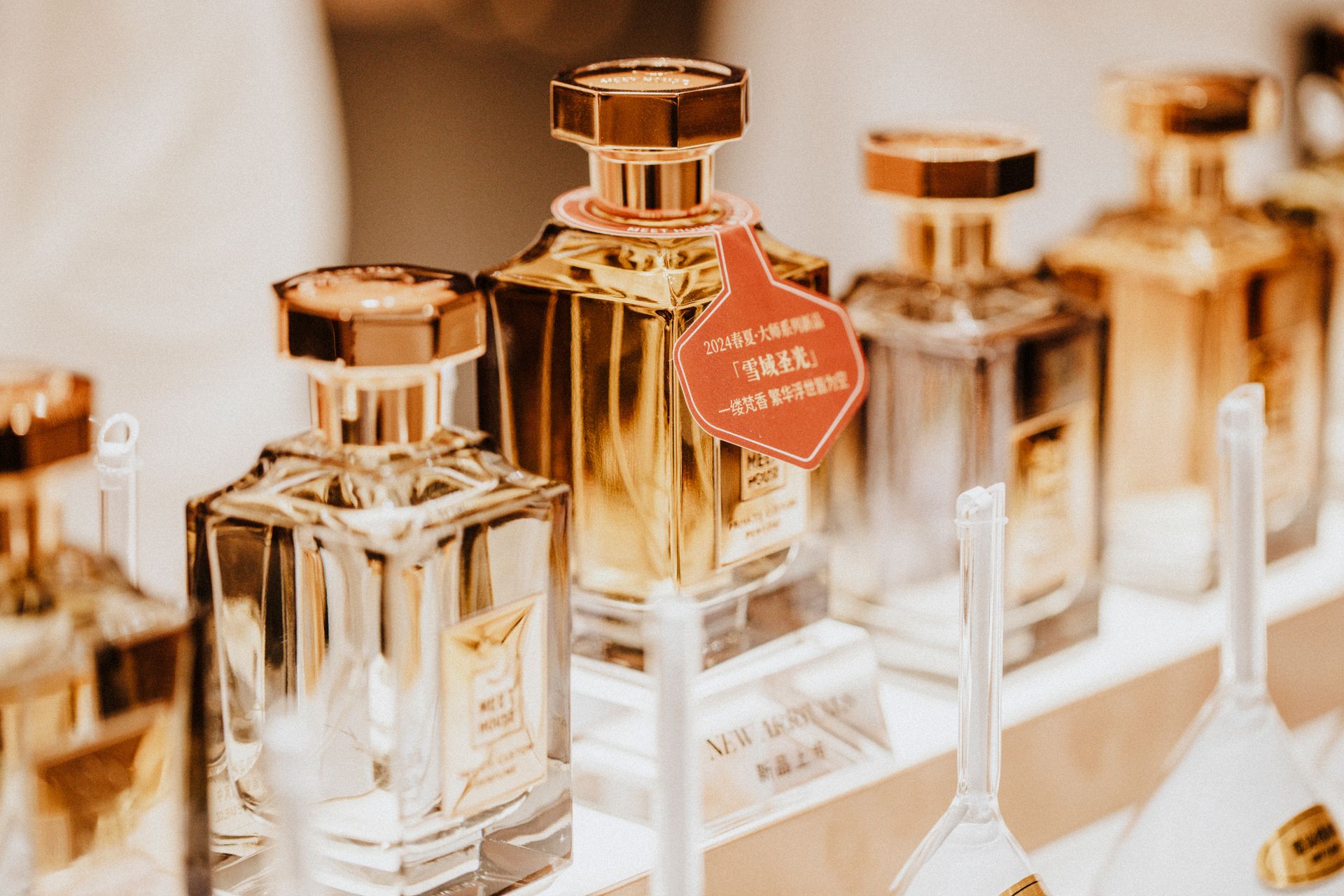
Estee Lauder and Puig have formally ended several months of merger talks, both groups confirmed. Sources cited by Investing.com said the valuation gap between the two sides ran close to twenty billion dollars, alongside unresolved structural points on headquarters location, brand architecture and family-shareholder control at Puig.
Shares moved only modestly on the news. Estee Lauder underlined the need to focus on its weak recent quarter in Asia, while Puig confirmed it would continue growth through European fragrance brands following its initial public listing on the Madrid exchange last year.
Analysts had said a deal would have created a player able to challenge the LVMH and L'Oreal leadership in luxury beauty. Both groups now return to standalone strategies; attention turns to smaller acquisitions and marketing investment in China and the Middle East, the two end markets where pricing power remains most resilient.
More from South America

Cubans grapple with fuel shortages and blackouts as US steps up pressure
Cubans queueing for hours at fuel pumps in Havana now contend with blackouts reaching 16 hours a day. The Trump administration's tightening sanctions and the Castro indictment have further strained the island's economy. The government acknowledged that diesel imports have fallen 38 percent.

Gang violence kills at least 25 in Honduras
At least 25 people were killed in gang clashes near San Pedro Sula in Honduras. The Castro government extended the state of emergency and the military began patrols on the north coast; analysts say US regional policy is adding pressure on Tegucigalpa.

SK Hynix on track to become second Korean firm to hit $1 trillion market cap
Record demand for AI memory chips has pushed SK Hynix's market capitalisation close to the $1 trillion mark. If achieved, it would make the firm South Korea's second company to hit that level after Samsung Electronics.