End of Iran war may just begin a new era of US inequality, analysis says
A CNBC analysis argues that while US stocks boomed during the Iran war on AI and defence demand, high energy and food prices have squeezed middle-class consumers. The gap could harden into a structural inequality pattern even after a ceasefire.

The CNBC analysis notes that during the roughly three-month Iran war, Wall Street posted records on AI, defence and energy demand, while American households absorbed sharp increases in food, fuel and insurance costs. Goldman Sachs estimates the war added about $450 per year in extra energy costs per household.
The piece points to an S&P 500 May return above 8 percent against a USDA food-price index up 5.2 percent and EIA data showing summer-grade gasoline 18 percent above year-ago levels. JPMorgan and Goldman Sachs analysts assess that the war could add 0.4-0.6 percentage points of lasting core inflation contribution.
According to CNBC, even if financial-asset prices retreat after a possible ceasefire, the stickiness of energy and food prices will continue to weigh disproportionately on household disposable income. This article is not investment or personal-finance advice; consult a licensed professional for individual decisions.
More from North America
UAE says OPEC exit was a strategic economic move, not political
The United Arab Emirates said its decision to leave OPEC was a strategic economic choice rather than a political one. Officials told CNBC the move lets the country deploy spare production capacity freely and align output with its energy diversification plans.

Hormuz oil exports may not return to pre-Iran-war levels, analysts warn
Petroleum-market analysts say the Strait of Hormuz volumes that prevailed before the Iran war may take years to fully return. Insurance premiums, re-routing decisions and Iran's new naval permission regime have layered structural costs onto Gulf shipping.
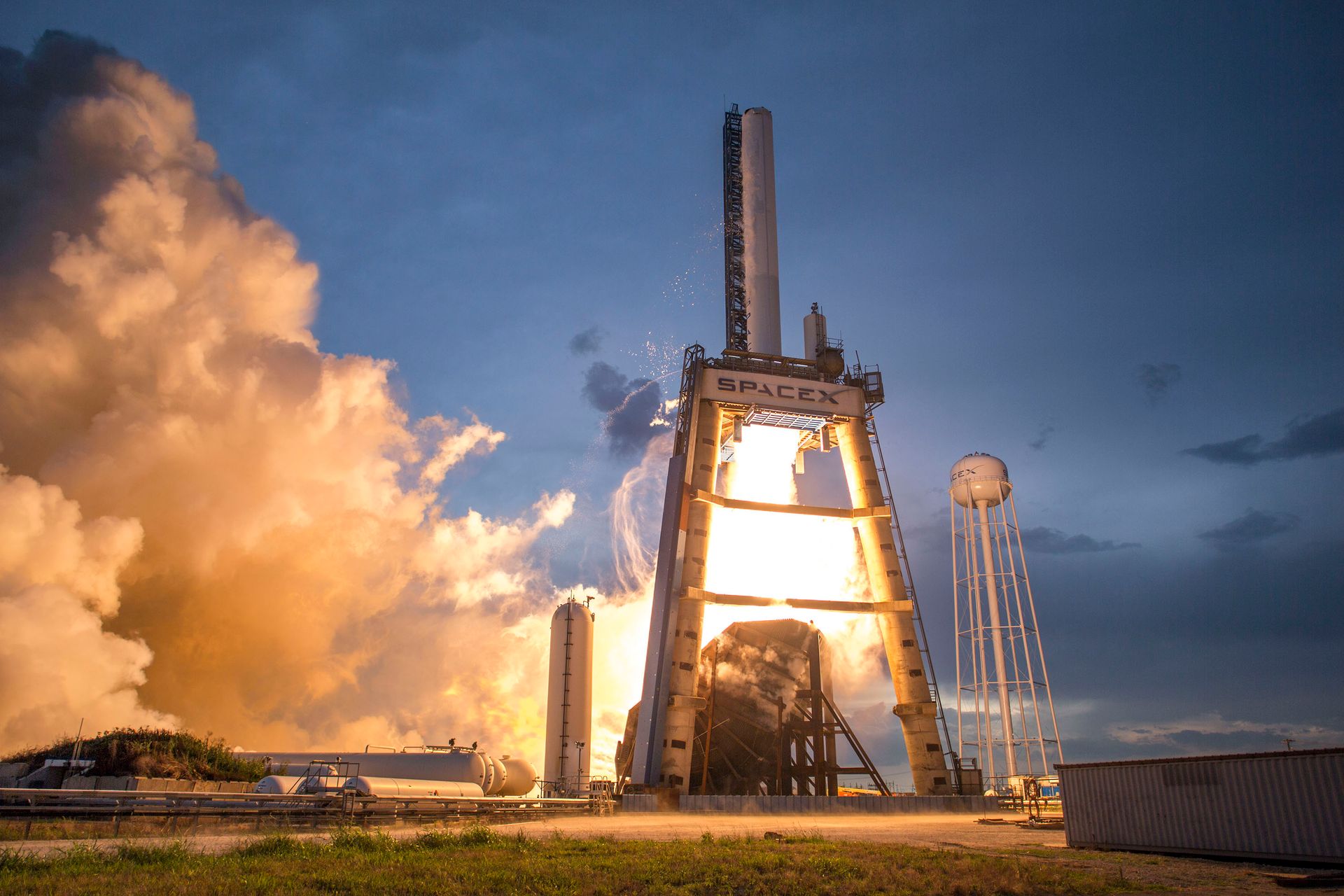
BlackRock weighs $5-10 billion investment in SpaceX IPO
BlackRock is in talks to commit between $5 billion and $10 billion to SpaceX's upcoming initial public offering, The Information reported. The investment, if completed, would mark one of the largest single-firm commitments to a US listing in years.