Coal prices soar on Indonesia export controls and China mine disaster
Indonesia's new export controls and a mining disaster at one of China's major producers have driven global coal prices sharply higher. Thermal coal benchmark prices rose by double digits in a short period. Producer stocks gained on Asian exchanges, while cost pressures rose for countries that depend on coal for electricity.
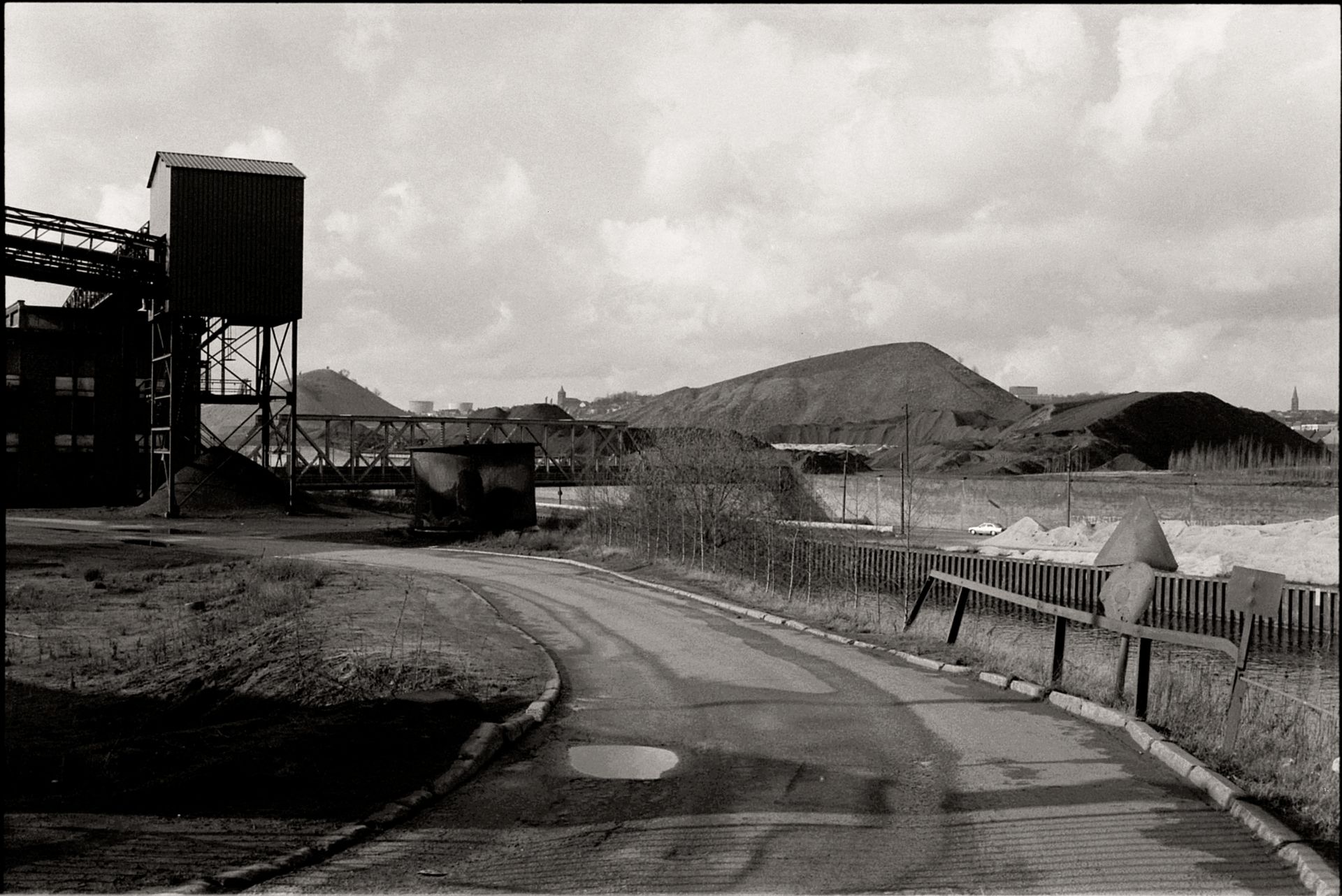
Indonesia, the world's biggest thermal coal exporter, has announced temporary volume controls on exports to safeguard the domestic market. The regulation restricts outflows from a country that ships a significant share of its annual production. At the same time, an explosion occurred at a major mine in China's interior; authorities said the production pause could last for weeks.
Newcastle and Australian thermal coal contracts have climbed above recent levels. European TTF gas futures have also moved higher on knock-on effects. Steelmakers and power utilities have said they will feel pricing pressure when renewing short-term contracts.
Large importing countries such as China and India are accelerating government stockpiling, while investors have been buyers of Australian producer Whitehaven and of Glencore. According to analysts, summer air-conditioning demand will support global consumption, suggesting any durable pullback in prices may be delayed. Producers are also assessing how infrastructure maintenance could affect the long-term supply side.
Read next

US-Iran deal leaves core sticking points unresolved as $300 billion question takes shape
BBC Middle East analysis says the US-Iran framework agreement that opens a 60-day negotiation window leaves critical issues unresolved: nuclear enrichment, verification mechanisms, and how the $300 billion reconstruction fund will actually be financed. The text foresees a joint protocol for Strait of Hormuz security but the operational details remain undisclosed. Both Tehran and Washington keep cautionary language in their public statements.

New Zealand regional airline Originair posts 'horrific' year as jet fuel surge bites

Northern Territory smart-meter rollout botched: bills delayed months, government admits failure

No Taiwan call and no new arms sales: how Trump is preparing to welcome Xi to Washington

Israel suspends contacts with EU foreign policy chief Kaja Kallas