Colombia's President-Elect to Close Embassies in 14 Countries, Cut Ties With Cuba and Nicaragua
Colombia's president-elect, Abelardo de la Espriella, has announced that his incoming government will close the country's embassies in fourteen nations and will not maintain diplomatic relations with Cuba and Nicaragua, which he called 'tyrannies.' The announcement, made via a video posted on social media, is set to take effect from his inauguration on August 7.
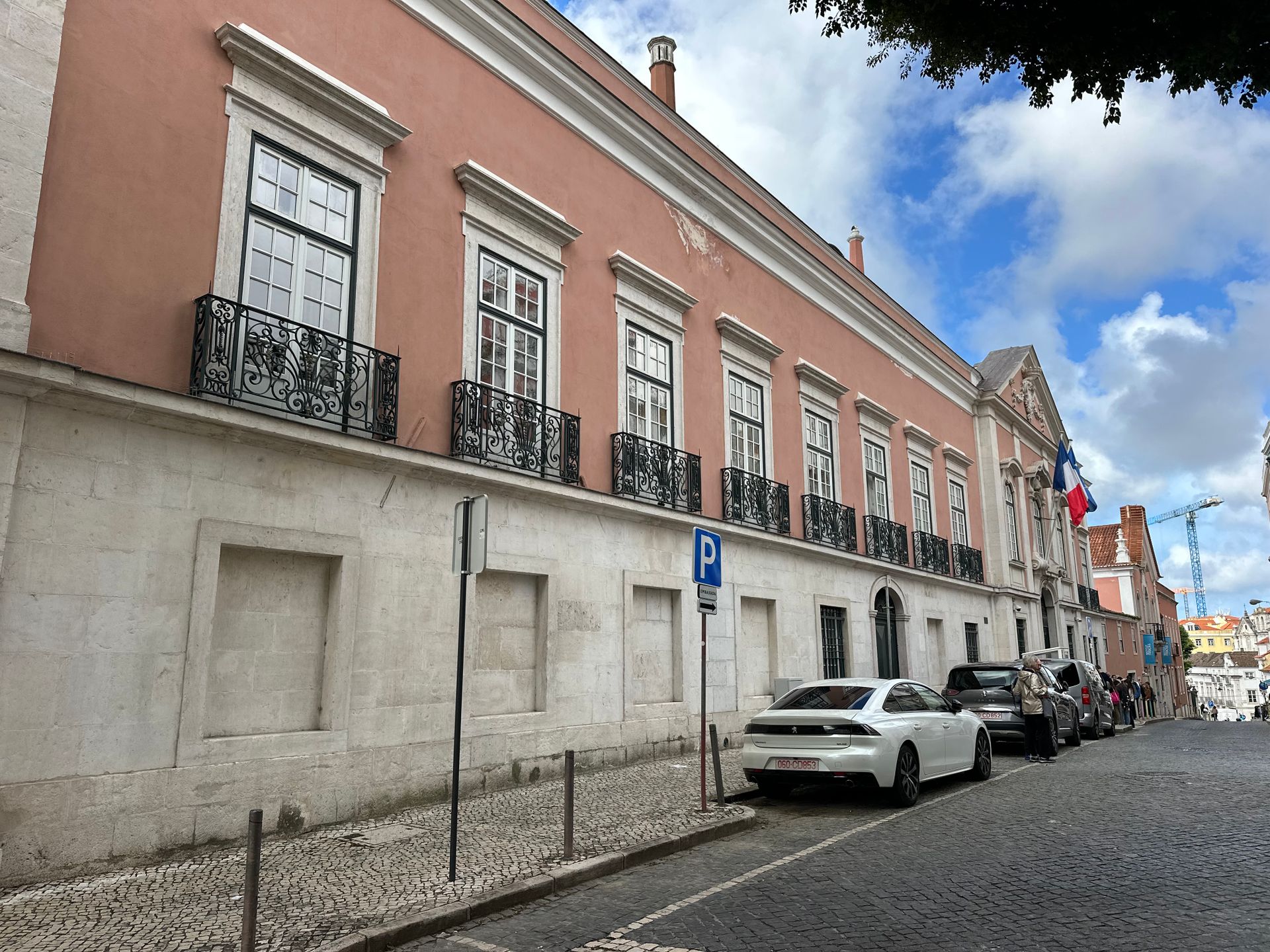
Colombia's president-elect, Abelardo de la Espriella, announced that his incoming administration will close the country's embassies in fourteen nations once he takes office next month. The announcement was made through a video posted on social media rather than through a formal diplomatic statement, a departure from typical transition-period practice.
De la Espriella said his government will not maintain diplomatic relations with Cuba and Nicaragua, which he described in the video as 'tyrannies.' He did not provide a detailed timeline for the embassy closures beyond stating that the changes would take effect once he is sworn into office.
The measures are set to begin from his inauguration on August 7, according to the announcement. Neither the Cuban nor the Nicaraguan government has issued a public response to the plan so far, according to available reports, and further details of how the closures will be carried out have not yet been published.
Read next

Netanyahu Accuses NYC Mayor Mamdani of 'Fomenting Hate' Over Arrest Threat
Israeli Prime Minister Benjamin Netanyahu has accused New York City Mayor Zohran Mamdani of "fomenting hate," according to the BBC, after Mamdani suggested he could have Netanyahu arrested. Mamdani walked back the threat last week, acknowledging he lacks the legal authority to arrest Netanyahu under an International Criminal Court warrant. The exchange has escalated a public dispute between the two officials.

West Bank: Israeli Settlers Accused of Torching Mosques, Cars, Farmland

Rocket Lab wins record NZ$460 million US Space Force contract

Victoria Premier Jacinta Allan resigns, deputy Ben Carroll to take over
