UK Government to Propose Electricity Price Reform Amid Iran War Energy Shock
The UK government is set to propose sweeping changes to electricity pricing, using the Iran war's energy shock as a catalyst to accelerate the country's clean power transition. The move is designed to reduce Britain's exposure to volatile global fossil fuel markets.
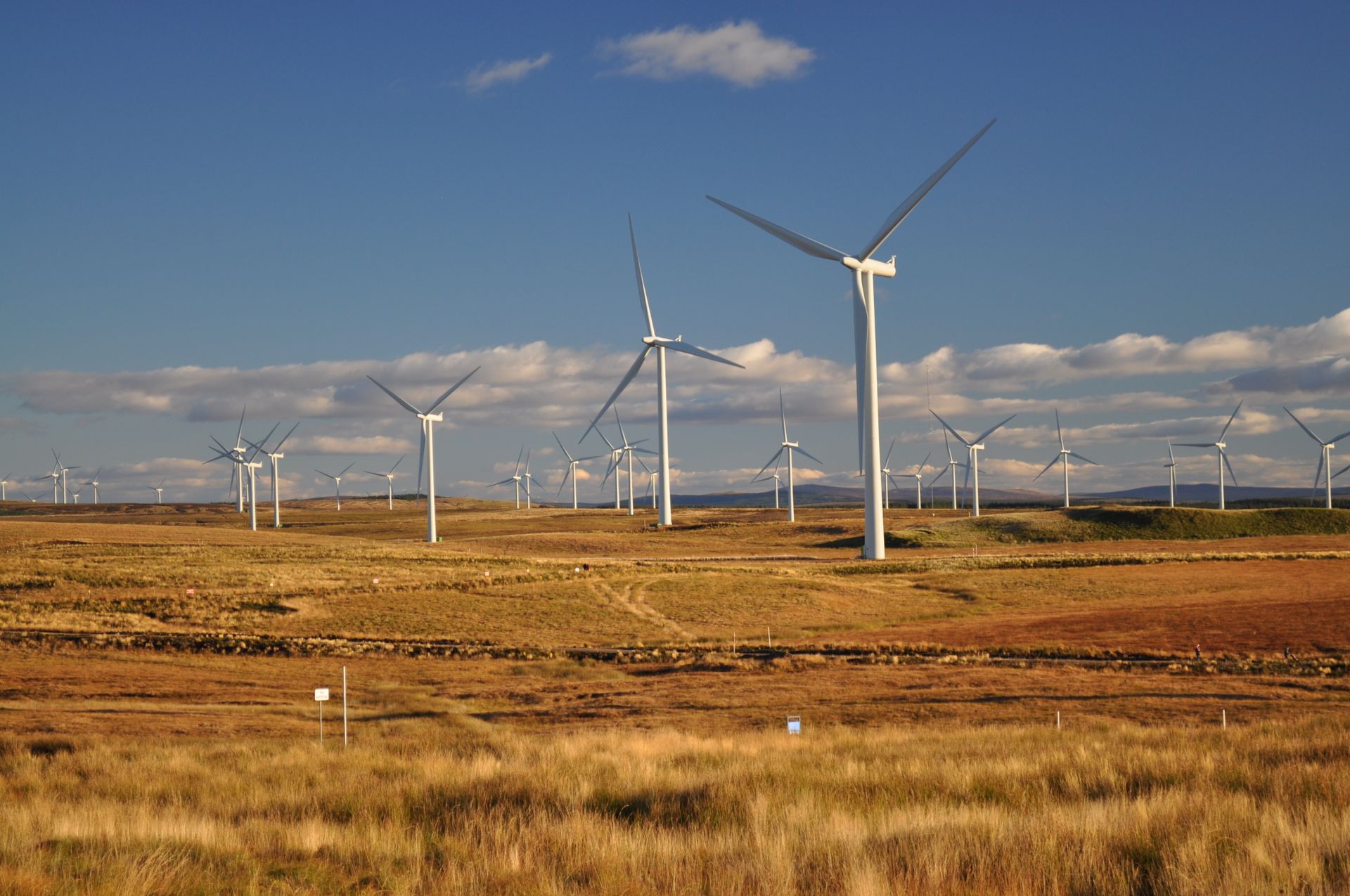
The shock to global energy markets from the Iran war has pushed the UK government to accelerate reforms to its electricity pricing system. Officials plan to propose a new pricing model designed to incentivize investment in renewable energy sources and shield consumers from the volatility of global oil and gas markets.
Since hostilities began on 28 February, UK petrol and diesel prices rose for 46 consecutive days, squeezing household energy budgets and reigniting inflation concerns. The sustained price pressure has intensified political demand for structural reform rather than short-term relief measures.
The proposed changes form part of Britain's broader strategy to rapidly expand clean energy capacity and reduce long-term dependence on fossil fuel imports. Markets and utilities will be watching closely for details on how the new pricing framework would affect electricity generators and energy retailers.
More from Europe

Major UK Train Operator to Be Renationalised Within Months
The British government has confirmed that one of the country's main train operators will return to public hands within months. The move forms part of Sir Keir Starmer's phased plan to renationalise rail. Investors are reassessing the implications for rolling-stock suppliers and lease companies.

Russia and Ukraine Begin Three-Day US-Mediated Ceasefire
Russia and Ukraine have started a three-day US-mediated ceasefire announced by Donald Trump. Frontline clashes have visibly eased, even as the two sides trade accusations of violations. European capitals are pressing for the truce to be extended.

CBRT April Inflation Assessment: Annual inflation rises to 32.37 percent
The Turkish Central Bank released its April inflation assessment, showing consumer prices rose 4.18 percent month-on-month, while annual inflation climbed to 32.37 percent—up 1.50 percentage points. Energy prices surged 14.4 percent, with the underlying trend moving higher.