Iran war could weigh on New Zealand economy for two years, Infometrics warns
New Zealand economic research firm Infometrics said the energy and shipping shock from the Iran war could push local inflation higher by 1.2 percentage points and trim GDP growth by 0.4 points. The impact is expected to stretch across the next two years; tourism and dairy exports are the two most exposed sectors.
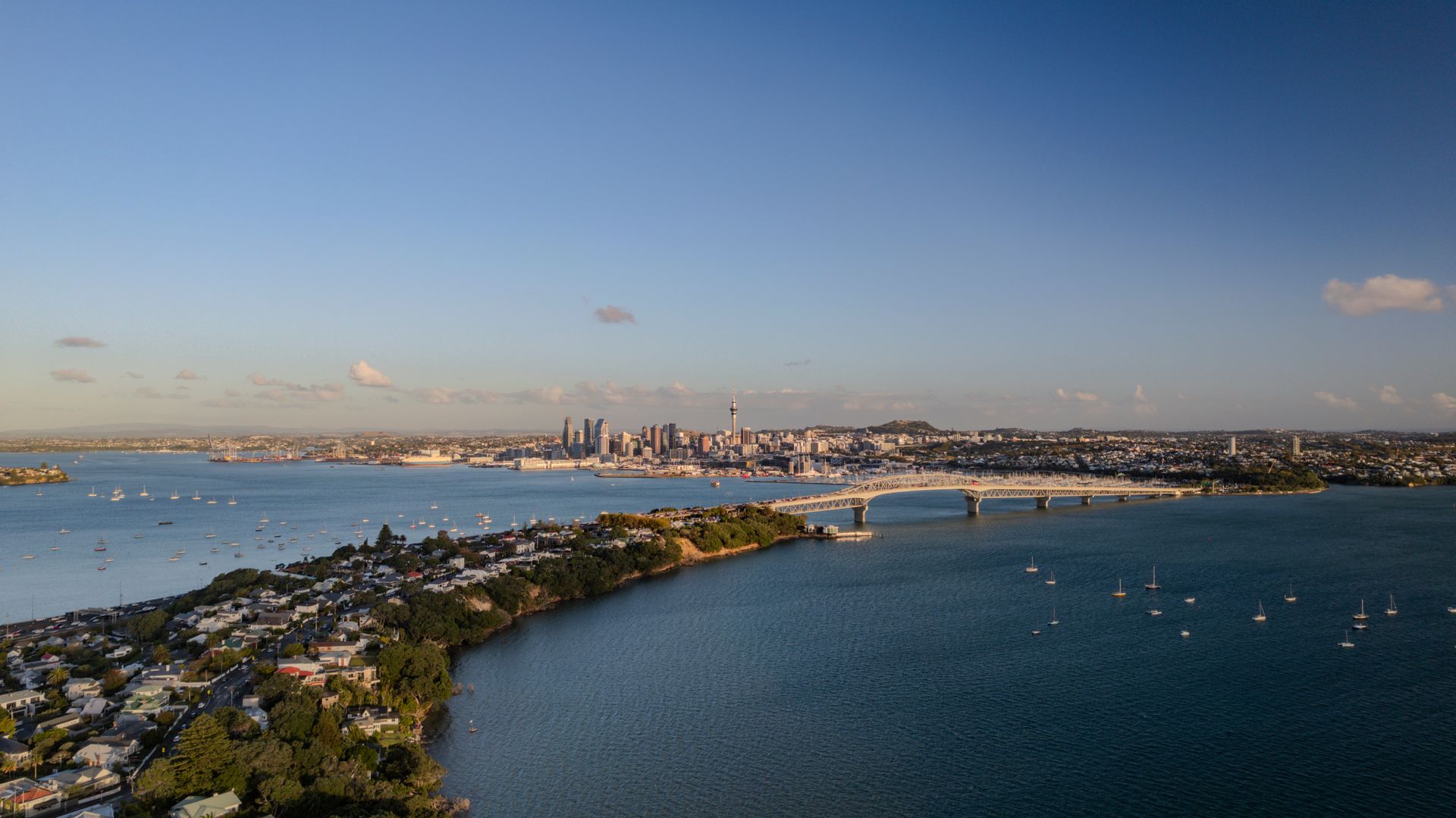
In a 28-page report released on Wednesday, Infometrics said the Iran war will affect the New Zealand economy through three main channels: higher energy prices, Asia-Pacific shipping delays and rising insurance premiums. Global container imbalances have already lifted average wait times at Auckland and Tauranga ports by 18%.
According to chief economist Brad Olsen, the rise in fuel prices could reduce household consumption by 0.8% in 2026. In the tourism sector, fares from Australia and the United States have risen 22% on higher fuel costs, and recorded booking cancellations have crossed 8% of forward inventory.
The report said the most critical external pressure is on the dairy supply chain: Fonterra's fertiliser costs are up 14% and packaging costs are up 9%. Olsen said the Reserve Bank's August reassessment of monetary policy will place these risks at the centre. The base case is that the Official Cash Rate stays at 5.25%, but the probability of an additional hike has risen from 35% to 50%.
More from Australia-Pacific

Household budgets so stretched it's no longer a cost of living crisis but 'the cost to survive'
A new study of New Zealand household budgets finds that families have moved past the cost of living crisis and into a 'cost to survive' phase. Average weekly food spending is up 11% over the year and rents have risen 9%. The Otago University research has reopened the economic policy debate.
Aspiration has changed since the Howard era. This budget is finally catching up
Treasurer Jim Chalmers's 2026-27 budget proposes a sweeping reorientation of housing, childcare and education incentives. According to ABC analysis, the budget breaks with the middle-class identity of the John Howard era and refocuses on a younger generation of renting voters.
Musk's X admits noncompliance with Australian child protection request
Social media platform X, owned by Elon Musk, has admitted it did not comply with a formal eSafety Commissioner notice requiring it to remove content involving child sexual abuse. The company faces fines of up to 800,000 Australian dollars per day. A federal court preliminary hearing has begun.