South Sudan sets December date for long-delayed first-ever presidential election
South Sudan has announced its first-ever presidential election will take place on 22 December 2026, fifteen years after independence. The vote, a central provision of the 2018 peace deal that has been postponed four times, is critical to the country's conditional funding talks with international donors.

South Sudan's President Salva Kiir announced on national television on Monday that the presidential election will take place on 22 December 2026. According to BBC Africa, the date was set after four months of mediation between Kiir and First Vice-President Riek Machar conducted by the IGAD regional bloc and the UN Mission in South Sudan (UNMISS). Kiir said « our people have waited too long for this ballot box, and we are committed ».
The election will be the first direct national vote since independence in 2011. The 2018 Revitalised Peace Agreement provided for an election but the vote was postponed four times — in 2022, 2024, 2025, and again in early 2026 — citing registration gaps, security concerns, and an incomplete constitutional framework. Kiir said voter registration for 5.8 million eligible South Sudanese will be completed by the end of September. Machar told television viewers « this roadmap is binding, and disputes will now be settled at the ballot box ».
The international response was cautiously positive. EU envoy Timo Olkkonen said « this announcement matters, but tight adherence to the calendar is what counts ». The US State Department said it would « review » the release of a $380 million development package conditional on holding the vote. The World Bank approved a new $230 million infrastructure loan that adds an electoral-observer access requirement. In the capital Juba, the electoral commission will begin formal consultations with the European Union observer mission on 2 July.
Read next
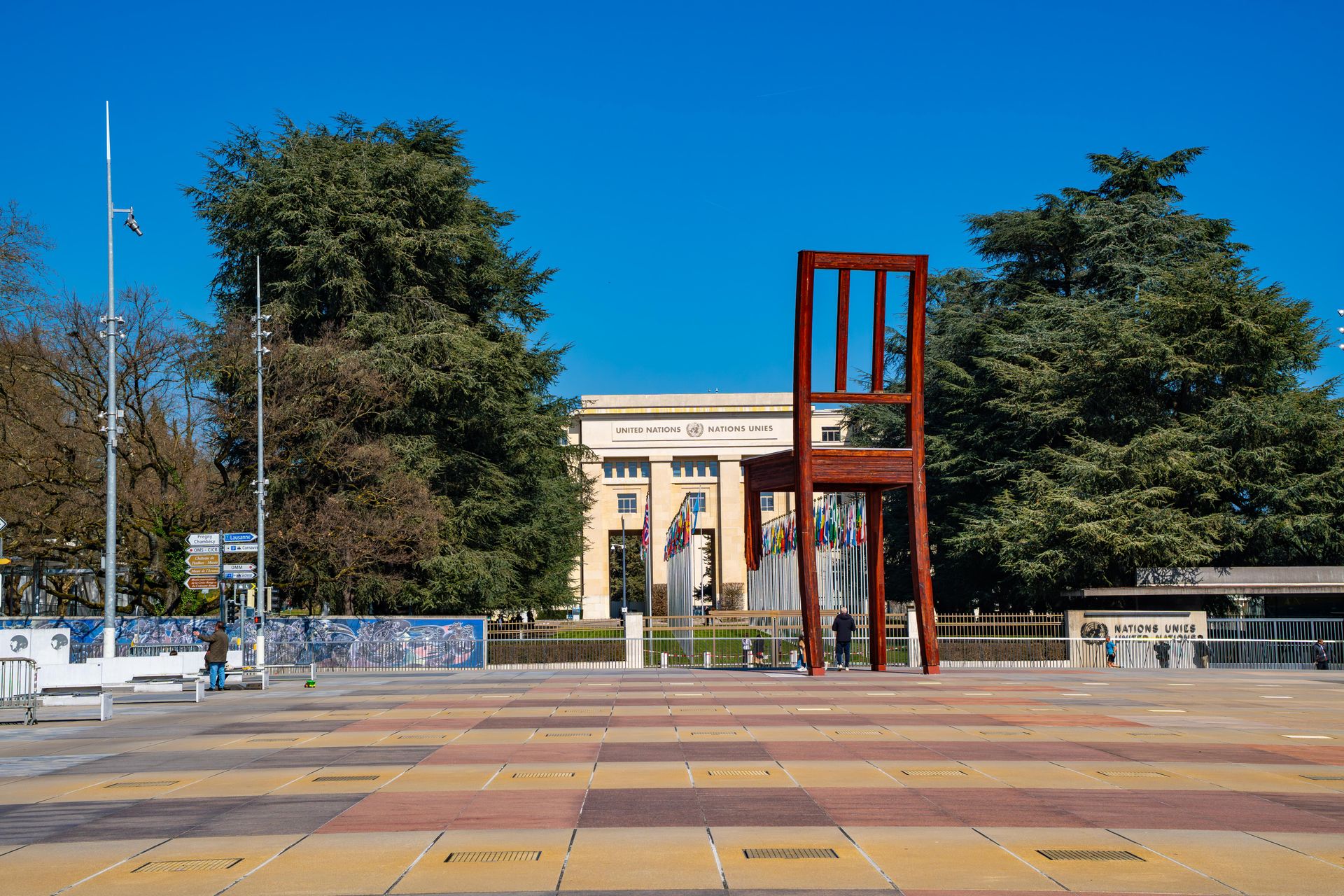
UN inquiry commission says Israel deliberately targeted children in Gaza, calls it part of genocide
The UN Independent International Commission of Inquiry, in a report released in Geneva on Tuesday, concluded that Israel « deliberately and systematically targeted » children during its military operations in Gaza and that this conduct constitutes elements of the crime of genocide under international law. Israel rejected the commission's report, calling it « biased and factually wrong », BBC Middle East reports.

At least 13 killed and dozens injured in Qatar gas plant explosion

Australia's senator Pocock clashes with Albanese minister over secret AI copyright claim

Australia refuses to release climate fund reports for Pacific nation Tuvalu

Indonesia hit by fuel shortages and power outages as energy crisis deepens