Trump says US strike killed ISIS's second-in-command leader
US President Donald Trump said the United States has killed Islamic State's second-in-command in a recent military operation. The Pentagon has not yet released the location or detailed timeline of the strike.

US President Donald Trump said on social media that American forces had killed the person he described as the Islamic State's second-in-command in a recent operation. Trump called the mission "successfully completed" but did not share further details.
US Central Command has not yet disclosed the location of the strike or formally named the target. Two US officials, speaking to Reuters, said the action was carried out by an air strike in eastern Syria and that no detainees were taken in the operation.
ISIS has been conducting more frequent small-scale attacks in eastern Syria and northern Iraq in recent months. The United States has said its operational presence against the group continues, even as the regional balance has shifted with the Iran war. Independent confirmation of the claim is awaited.
More from Australia-Pacific
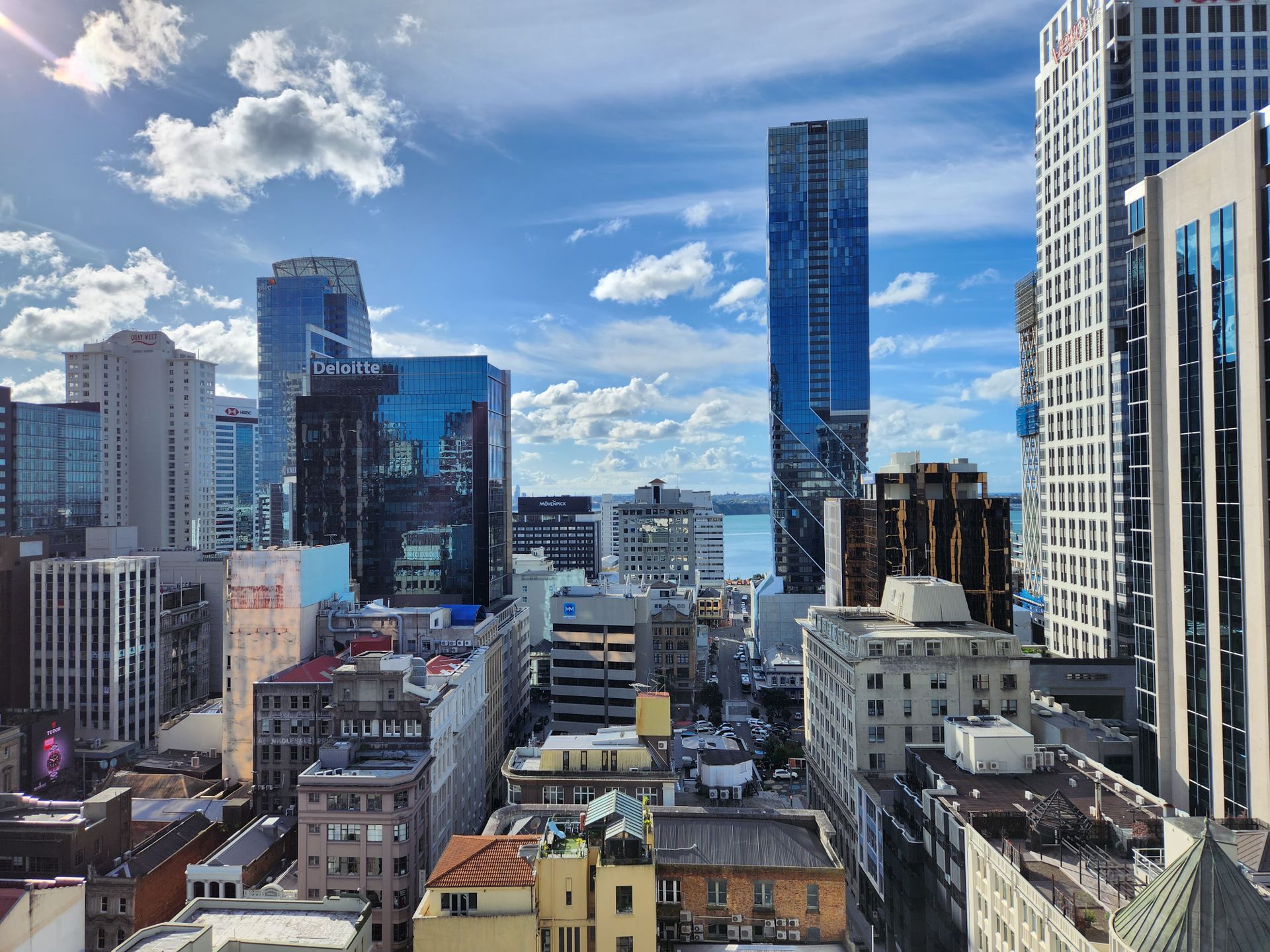
New Zealand firms have grown more cautious about investment in recent years, NZIER report finds
A new report by the New Zealand Institute of Economic Research (NZIER) shows that companies in the country are placing greater weight on liquidity and short-term resilience in their investment decisions. The findings add a new data point to the economic policy debate.
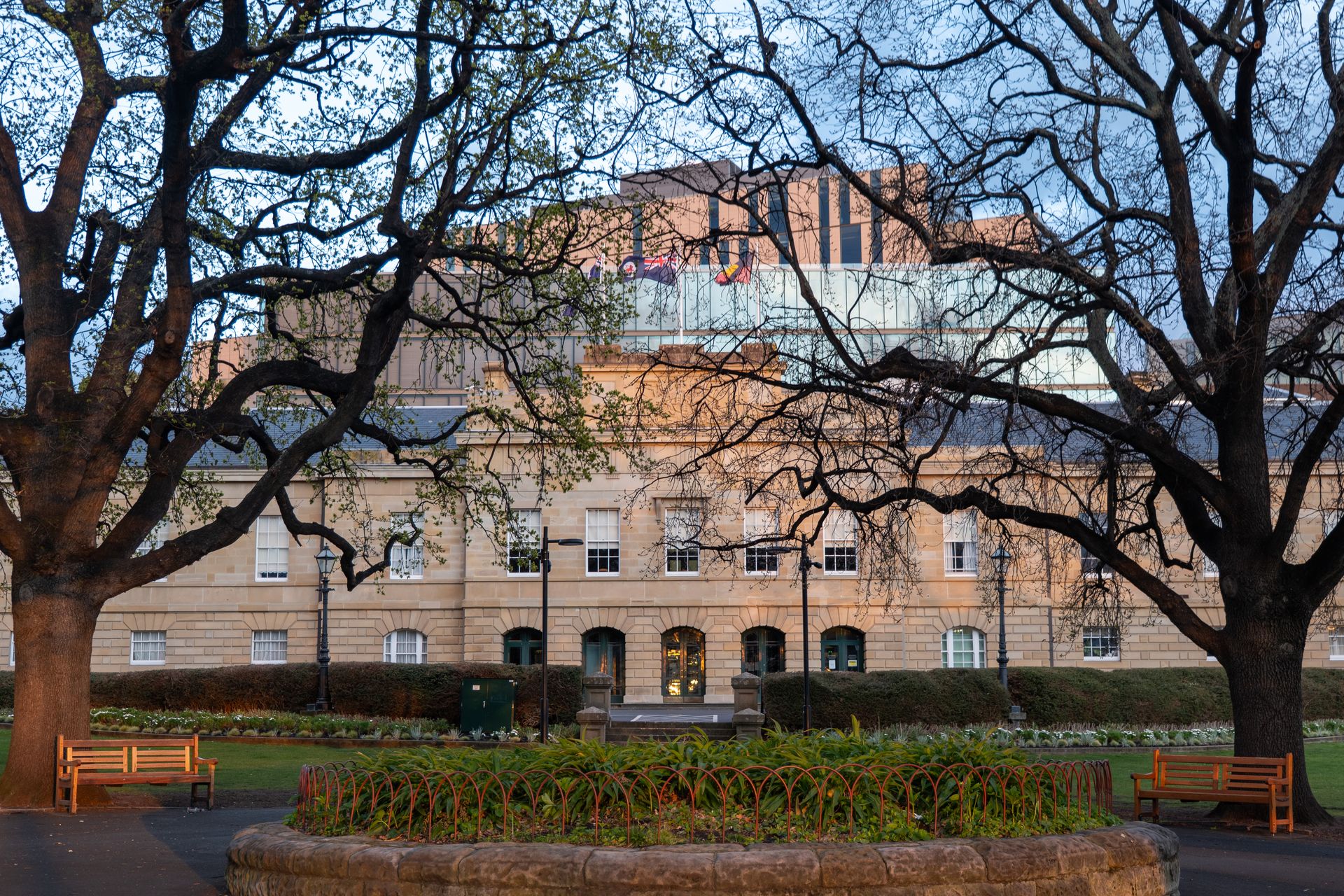
Tasmania to close legal loophole that shielded organisations from abuse claims
The government of Tasmania said it will introduce legislation to close a loophole that has allowed some organisations to avoid liability for child sexual abuse committed by individuals who were not formal employees. The reform is designed to strengthen survivors' legal standing.

Fuel prices rocket up in New Zealand while food costs stay flat
Fuel prices in New Zealand rose 13 percent month-on-month in April while food inflation barely moved, the latest data show. Economists say the unusual gap will complicate the Reserve Bank's monetary policy path.