India's power companies under strain as big users switch to self-generated electricity
Heavy industrial users in India — including steel, cement and data centre operators — are increasingly producing their own electricity, leaving state-controlled utilities to face the loss of their most profitable customers. The shift is accelerating green-energy investment but eroding the long-term revenue base of the grid.
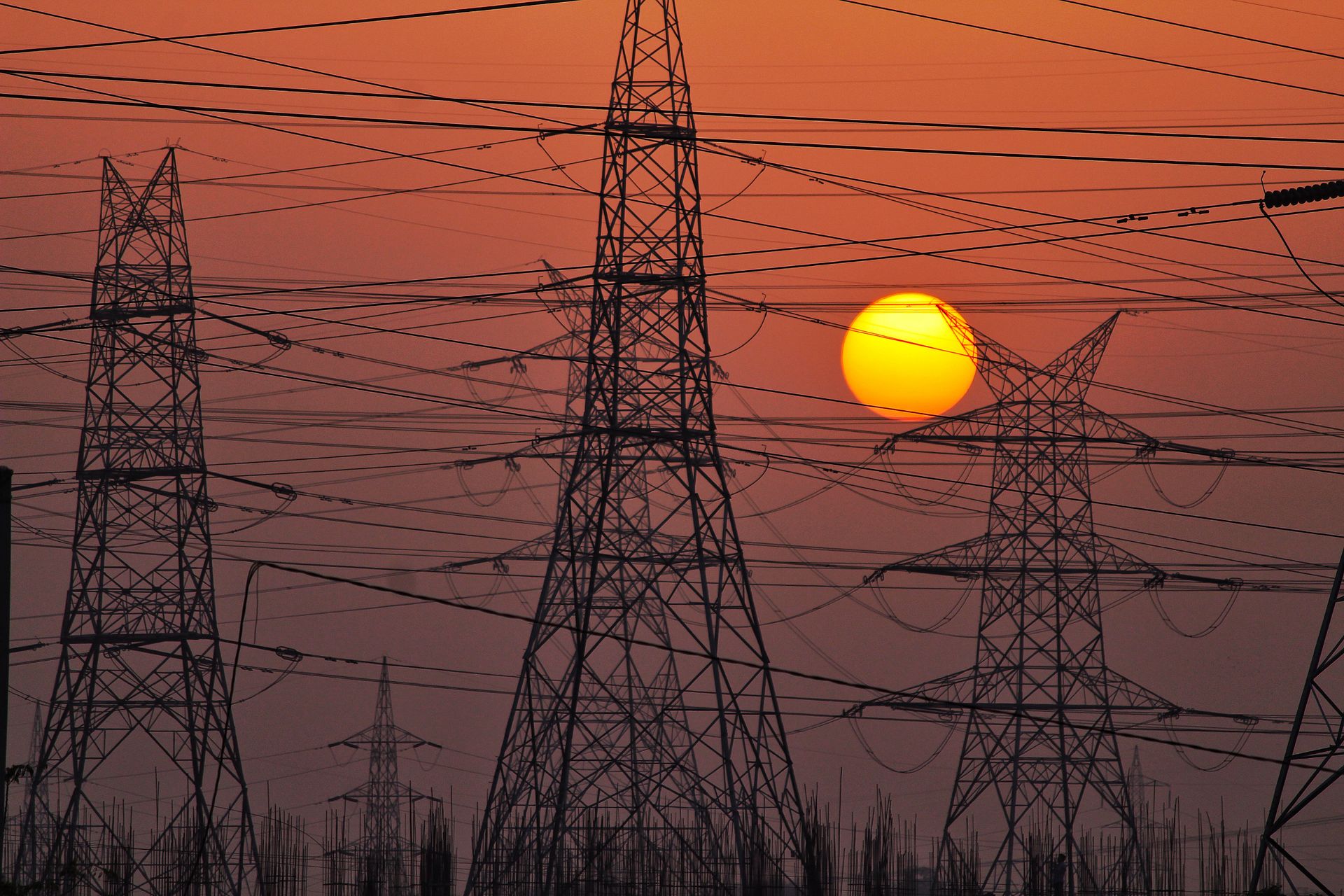
India's heaviest power users — steel mills, cement majors and the country's fast-expanding data-centre operators — are increasingly switching to self-generated electricity through rooftop solar, captive combined-cycle plants and long-term private power-purchase agreements. State-controlled grid operators risk losing the high-margin customers they have traditionally relied on to subsidise low household tariffs.
Large industrial groups including Reliance Industries, the Adani Group and Tata Steel have expanded renewable capacity aggressively over the past two years. The trend is running ahead of India's 2030 clean-energy targets but is squeezing the cash flows of NTPC and the state distribution companies.
Rating agencies have warned that without a meaningful tariff overhaul, distribution utilities could face downward pressure on credit ratings. Shares of NTPC and Power Grid have lagged the broader Sensex in recent weeks.
More from Asia

SK Hynix Flooded With Unprecedented Big Tech Orders for Memory Chips
South Korea's SK Hynix says it has received "unprecedented" orders from big tech firms eager to lock in supplies of high-bandwidth memory chips for AI servers. The chipmaker says its 2026 production capacity is largely sold out. Its shares are trading near record highs in Seoul.
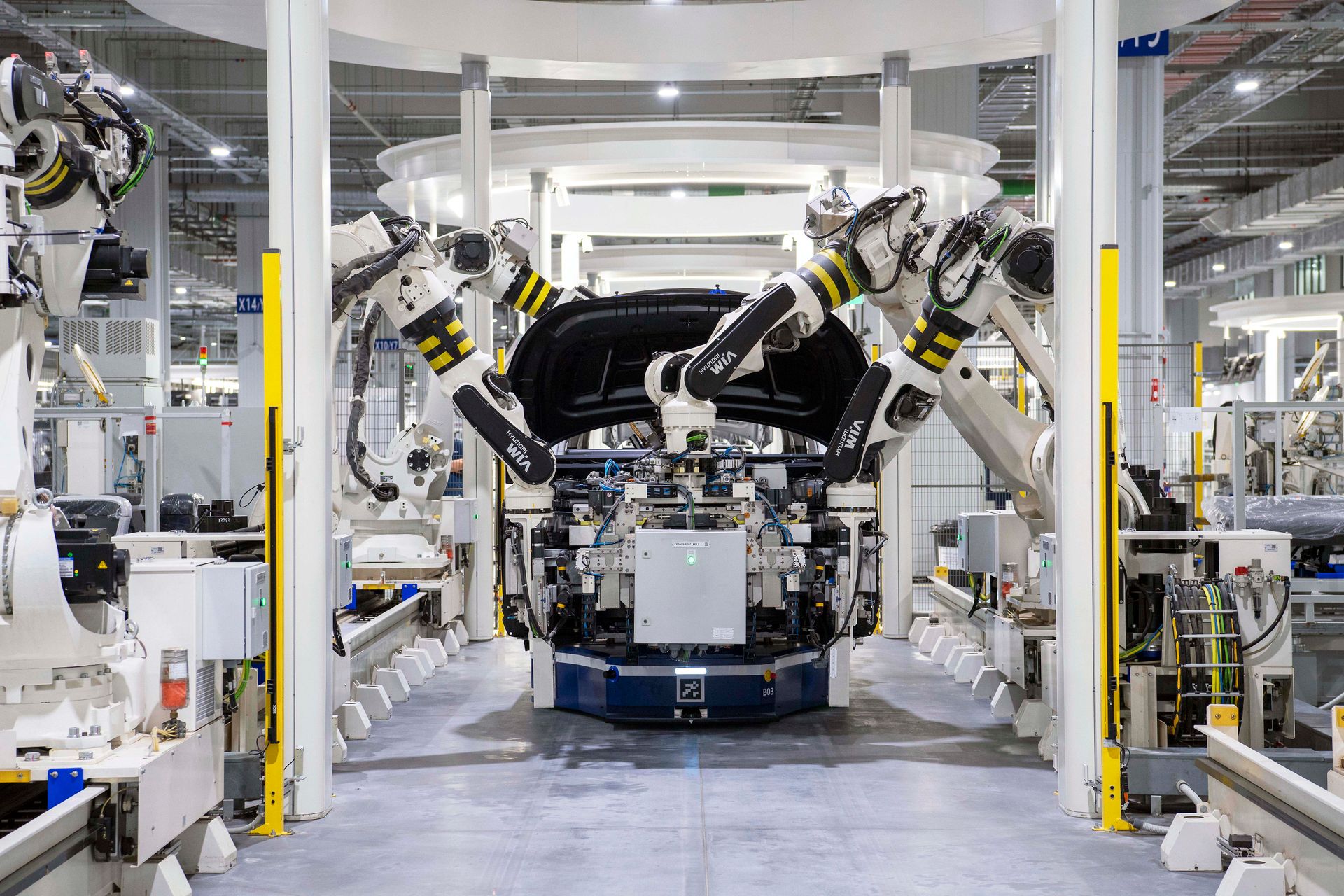
Toyota Expects $5.5 Billion Hit From Iran War Fallout
Toyota said it expects an additional $5.5 billion in costs in fiscal 2026 because of fallout from the Iran war on global logistics and energy prices. The carmaker cut its profit guidance and signalled possible price changes for some US models. Its shares opened lower in Tokyo.

Explosion at China fireworks factory kills 26 people
An explosion at a fireworks factory in Hunan province, China, killed 26 people and injured 61, according to state media reports.