Japan pushes for South American economic pact, eyeing energy resources
Tokyo is accelerating diplomatic outreach to the Mercosur bloc for a sweeping economic-partnership deal. The aim is to secure critical minerals, lithium and LNG supply, reducing dependence on China while binding Brazil and Argentina more tightly into Asian supply chains.
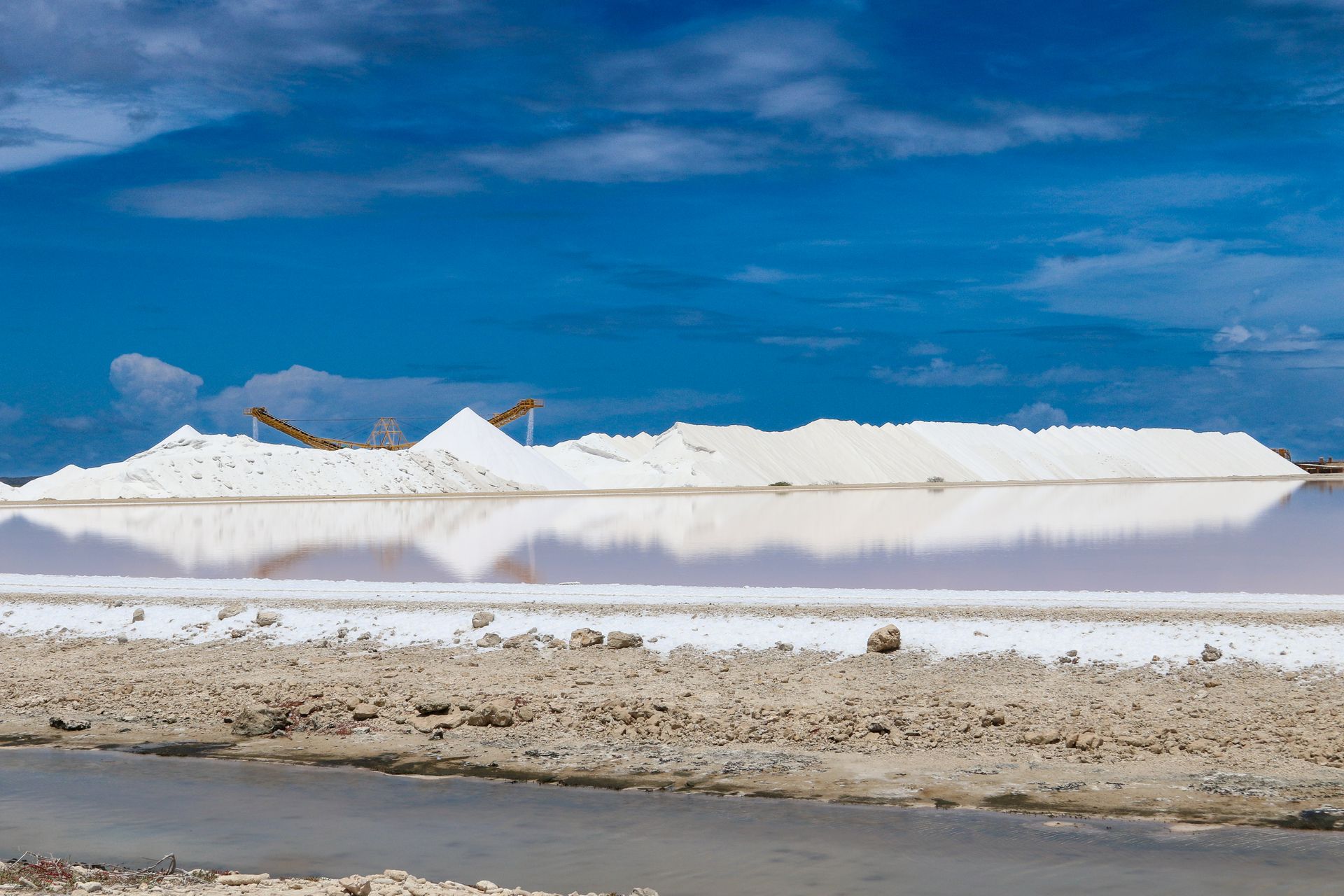
The Japanese government is accelerating diplomatic outreach to the Mercosur countries — Brazil, Argentina, Uruguay and Paraguay — for a comprehensive Economic Partnership Agreement. Tokyo's proposal goes beyond tariff reduction to cover critical minerals, natural-gas trade, food security and digital commerce.
The strategic rationale is clear: Japanese industry is trying to reduce its reliance on China for lithium, copper and rare-earth elements. Brazil's newly discovered offshore gas fields and Argentina's Vaca Muerta basin together with the lithium triangle offer a uniquely diversified supply base. The Ministry of Economy, Trade and Industry wants formal first-round talks opened as soon as possible.
The initiative coincides with intensified US security pressure on Latin America under the Trump administration and continued Chinese investment expansion in the region. Mitsubishi, Mitsui and Sumitomo have, in coordination with the government, stepped up site visits and joint-venture discussions across Brazil and Argentina, particularly around critical-mineral processing assets.
More from Asia

Strong US jobs data complicates any Warsh push for lower rates
A second straight strong US payrolls print is complicating any push by Kevin Warsh, Donald Trump's reported pick to lead the Federal Reserve, to argue for lower rates. Asian bond investors are already revising their dollar and emerging-market currency calendars.

Explosion at China fireworks factory kills 26 people
An explosion at a fireworks factory in Hunan province, China, killed 26 people and injured 61, according to state media reports.
China scraps tariffs for all but one African nation
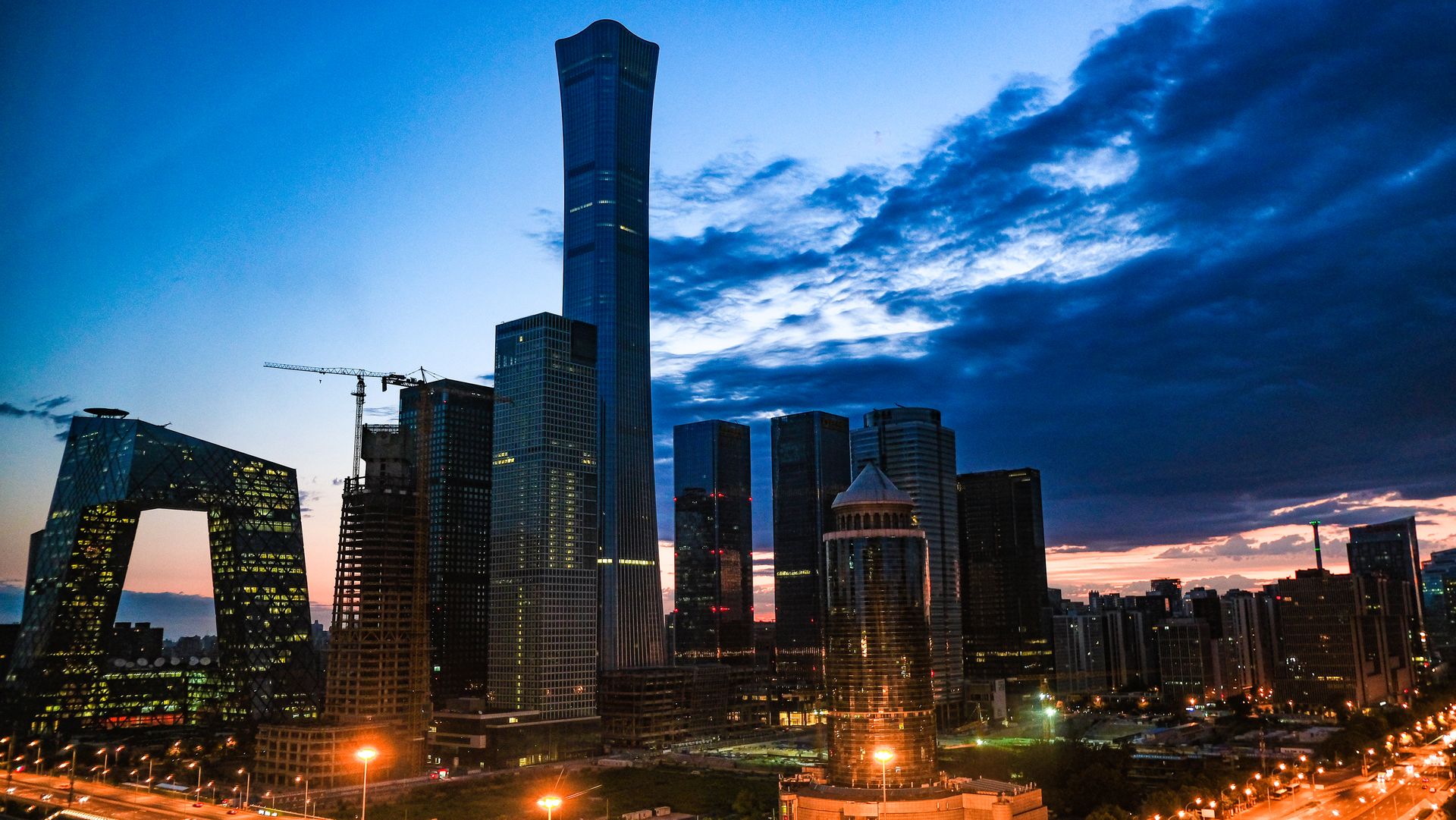
China announced it has scrapped tariffs for almost all African nations. This move boosts China's soft power in African states, but may also deepen economic inequalities.