Federal Reserve says US banks could withstand $708 billion in stress-test losses
The Federal Reserve's annual stress test found that large US banks could absorb $708 billion in hypothetical losses while staying above minimum capital levels. Unlike previous years, this round's results will not directly set banks' capital requirements amid a broader regulatory overhaul.

The Federal Reserve's annual stress test concluded that the largest US banks could withstand $708 billion in losses under a severe-recession scenario while remaining above minimum capital thresholds. The hypothetical scenario assumed a sharp rise in unemployment and steep declines in asset prices.
The Fed said this year's exercise arrives at a pivotal moment. Unlike previous years, the results will not directly determine banks' capital requirements, a change that coincides with a broad rethink of how lenders are regulated.
Regulators are weighing proposals to ease some capital rules. Critics argue that softening the requirements could raise systemic risk, while the banking industry contends the existing standards are overly strict and constrain lending. The debate is expected to shape the capital framework banks operate under in the years ahead.
Read next

Australia to strengthen world-first social media ban for young people
Australia says it will strengthen its world-first social media ban for young people as a priority, amid concerns that the powers behind the landmark laws are not strong enough. The move would tighten rules aimed at keeping minors off major social media platforms.
China Evergrande unit shares plunge over 20% after sale talks collapse

A2 Milk declares $300 million special dividend after clearing regulatory hurdles
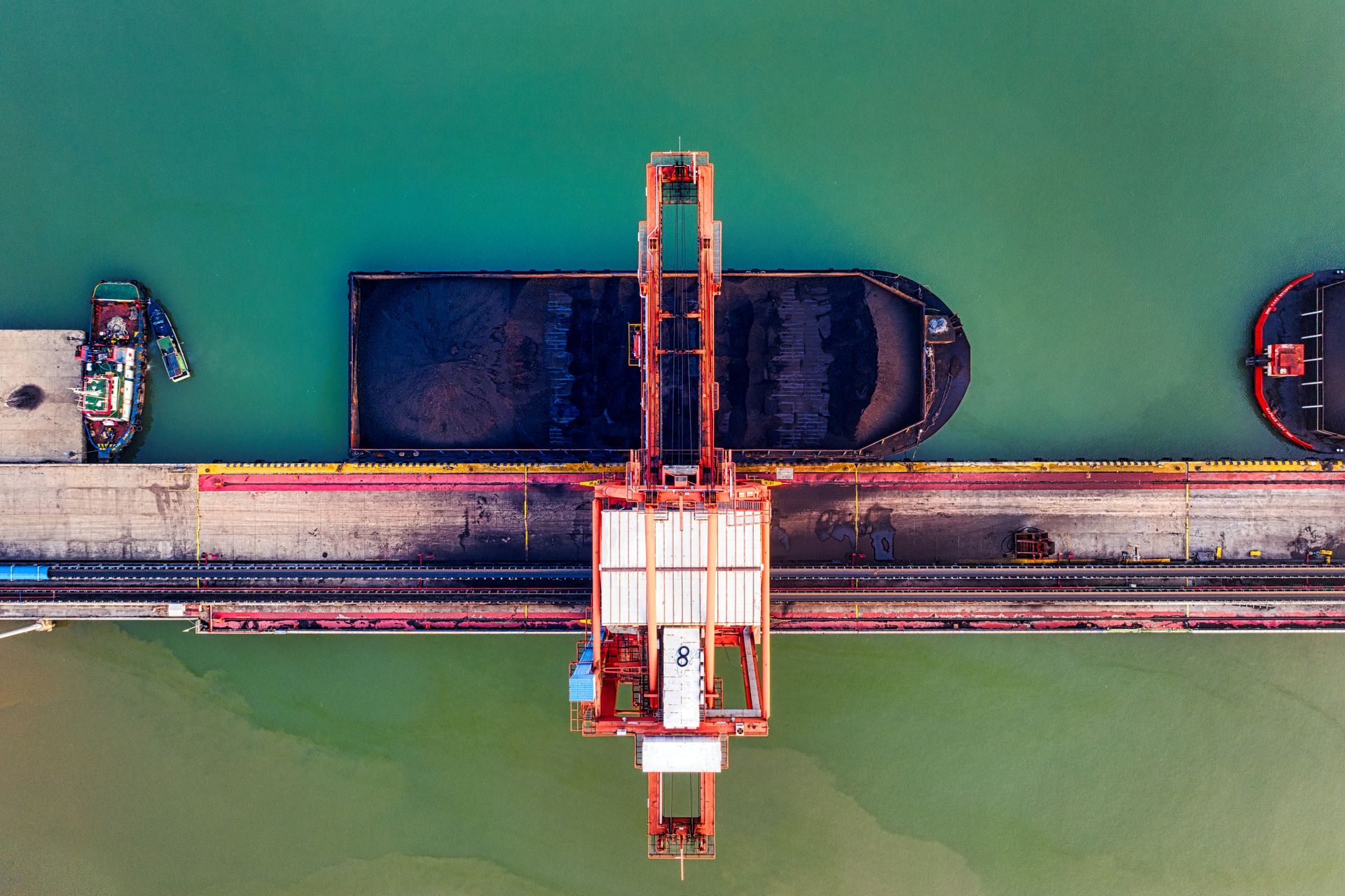
Australia's coal and gas exports violate our rights, group says in new UN case

Anthropic accuses Alibaba of 'largest known distillation attack' on Claude AI model
