NZ and Australian Businesses Report Higher Costs and Risks From Middle East Conflict
Sixty-eight percent of firms surveyed by the New Zealand Chamber of Commerce reported freight, fuel and insurance costs jumping by at least 15% over the past three months because of the Iran war. More than half said they have postponed 2026 investment plans.
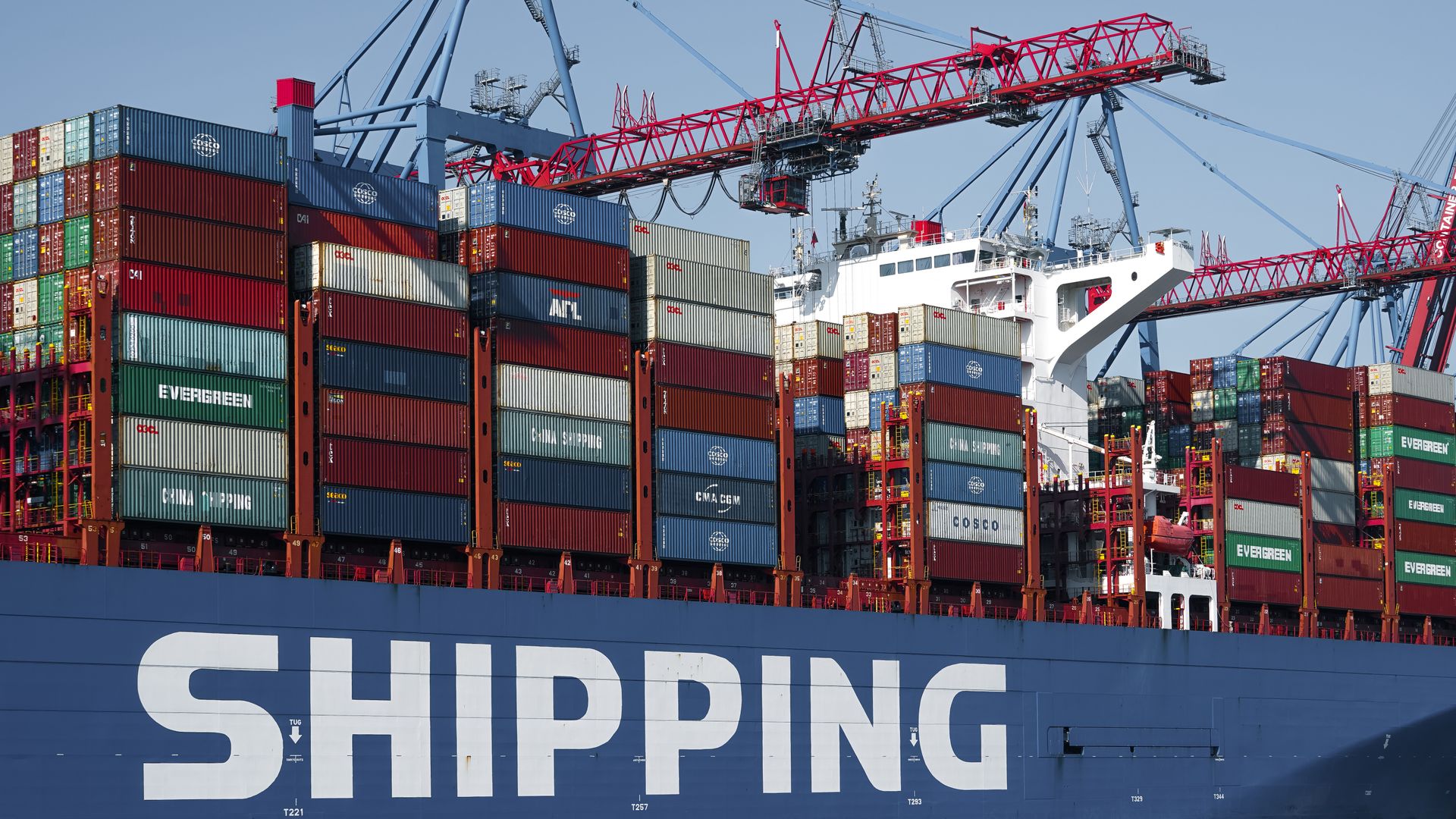
The joint Australia-New Zealand business confidence report, released Friday, points to a deep imprint of the conflict on the region's firms. Container costs from Auckland to Sydney and from Wellington to Brisbane have risen 22% on average because of risk on the Suez and Hormuz routes.
Manufacturing, food exporters and retail are among the hardest hit. New Zealand dairy and meat exporters warned that shipping delays in Asian markets could cost contracts. Some Australian manufacturers said they have had to discount accumulated inventory in recent weeks.
RBA and RBNZ officials openly raised the possibility of revising inflation forecasts higher if the conflict drags on. The New Zealand finance minister said the government is working on a temporary cash-flow support scheme for small businesses.
More from Australia-Pacific
Four More ANU Council Members Resign After Julie Bishop's Shock Departure
Four more members of the Australian National University's governing council have resigned in the wake of former foreign minister Julie Bishop's shock departure as chancellor. The deepening leadership crisis at one of the country's leading research universities has rattled academics and the federal government.

New Zealand Lamb Exporters at Risk of Fresh Trump Tariffs, Trade Minister Says
New Zealand's Trade Minister has warned that the country's lamb exporters face the risk of fresh US tariffs under Donald Trump's trade agenda. Producers and processors say they are stepping up lobbying to preserve market access to American supermarkets.

Chalmers Hands Down 2026 Budget, Says Labor Has Chosen 'Hard Road of Reform'
Australian Treasurer Jim Chalmers handed down the 2026-27 federal budget, unveiling A$12 billion to ease the housing supply shortage, an 11% jump in defence spending and a A$4 billion cost-of-living package against the Iran-war energy shock. The deficit is forecast at 1.8% of GDP.