South Korean stocks end 8% lower as U.S. rate fears hit high-flying Asia
South Korea's KOSPI tumbled 8% on Monday, the worst single-day fall in three years, with SK Hynix and Samsung Electronics dropping double digits. Concerns over a more hawkish U.S. interest-rate path triggered a broader sell-off across Asia's high-flying markets.
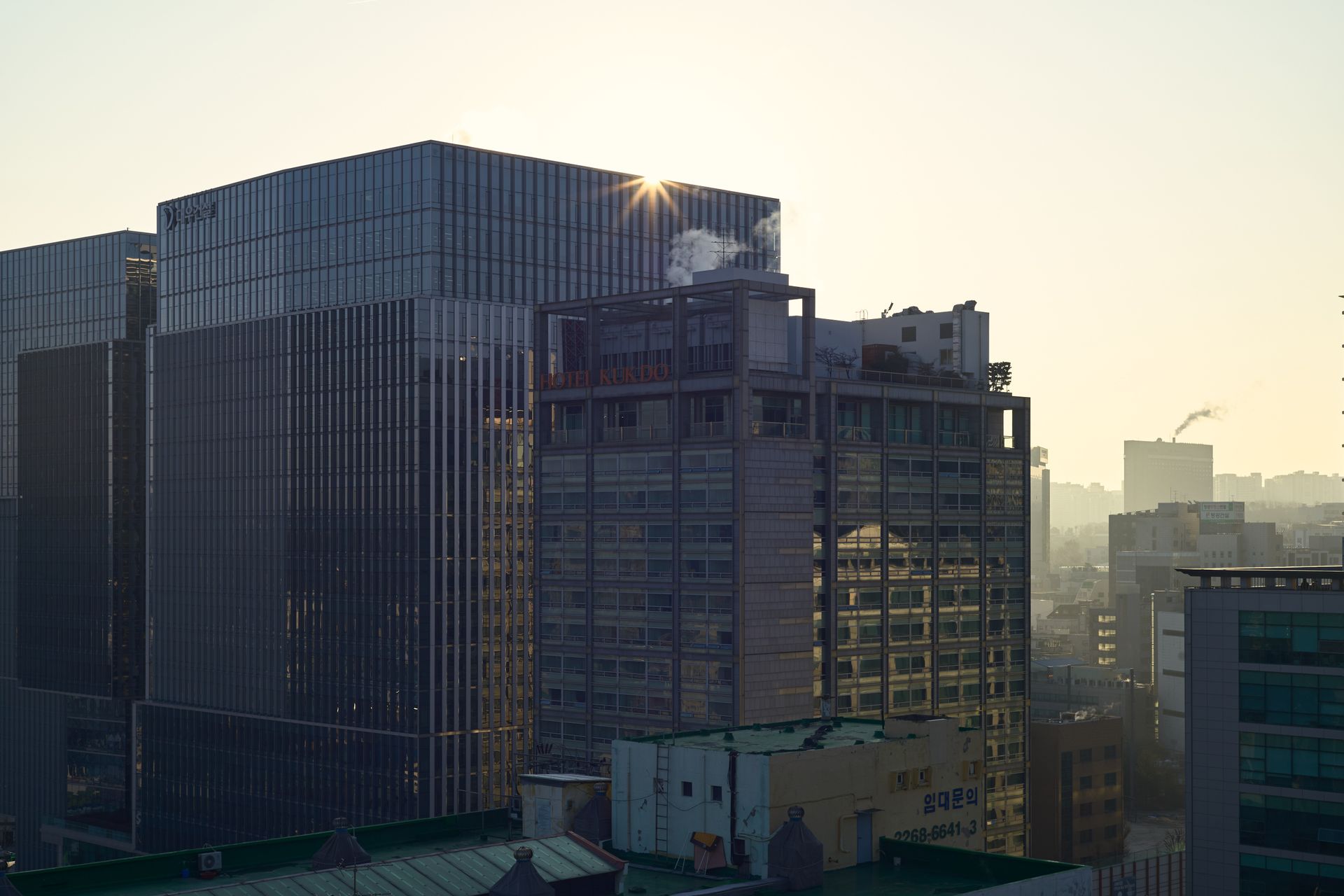
Seoul's KOSPI benchmark closed down 8.06% on Monday, marking the steepest single-day fall in three years. SK Hynix tumbled 11% and Samsung Electronics fell 9%, while the broader semiconductor sub-index slid 13% for its worst session of the year. The tech-heavy KOSDAQ index also lost about 6%.
Traders blamed concerns over the U.S. interest-rate path; Friday's strong non-farm payrolls report stoked expectations that the Federal Reserve will push back the timing of any rate cuts. A Goldman Sachs Asia strategist wrote in a note that leveraged positions in South Korea were unwound by margin calls and pressure may persist in the near term.
Foreign-investor outflows reached $4.2 billion in June and have totalled more than $18 billion year-to-date. The won weakened to 1,402 against the dollar. Across Asia, Taiwan fell 4%, Japan 3% and Hong Kong 2.8%. This article is not investment advice.
Read next

Australian dollar dives to two-month low as interest rate fears grip markets
The Australian dollar slid to a two-month low against the U.S. dollar of about 0.6420 on Monday morning. A stronger-than-expected U.S. payrolls report on Friday reignited concerns that the Federal Reserve will delay any rate cuts, weighing on commodity-linked currencies.

Nasdaq futures climb 1% as chip stocks rebound from rout, Trump pushes to keep Iran ceasefire intact

Japanese IT head says he made AI videos to smear Takaichi's rivals during party poll

Asia tech stocks extend sell-off with SoftBank down over 7% as investors sour on AI names

Why one fund manager is nervous about the SpaceX listing — but Kiwis will likely still get a slice
