Train attack in Pakistan's Balochistan kills at least 24
At least 24 people were killed and more than 30 wounded when a vehicle-borne explosive struck a passenger train in Pakistan's Balochistan province. Officials said the attack was claimed by the Balochistan Liberation Army (BLA).
Pakistan Railways director-general Aamir Ali Baloch said the explosion occurred on Saturday morning in Bolan district near Quetta, when a vehicle was driven into the path of the train. The blast hit the locomotive and first carriage of the Jaffar Passenger Train travelling from Karachi to Peshawar.
Balochistan health-ministry spokesman Bakhat Kakar said the death toll could rise as rescue work continues, with 13 of the wounded in critical condition. Major General Ahmed Sharif Chaudhry, the Pakistan army spokesman, said security operations had been expanded in the area and investigations were under way to identify the cell behind the attack.
Prime Minister Shehbaz Sharif expressed his 'deep sorrow' and declared a national day of mourning. Türkiye's foreign ministry said it 'condemned in the strongest terms' the attack, while Asif Durrani, the UN Secretary-General's Pakistan envoy, said attacks on civilian transport infrastructure require an investigation in line with international law.
More from Asia
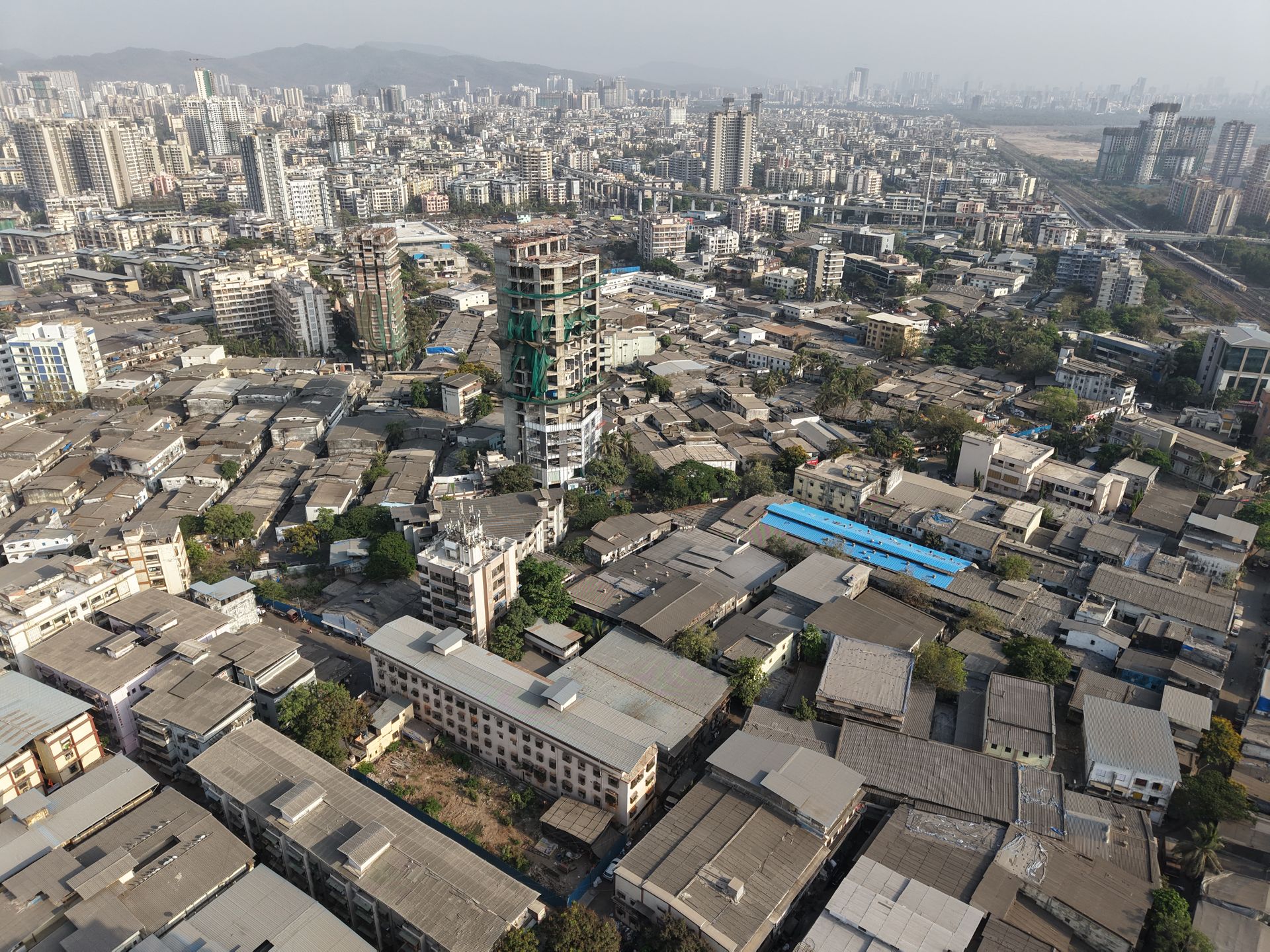
Indian billionaires buy foreign firms as growth slows at home
Indian companies are turning to global acquisitions as domestic growth slows. According to the BBC, India Inc spent $18bn on overseas buyouts in 2025, and deal value could top $15bn in the first half of 2026.
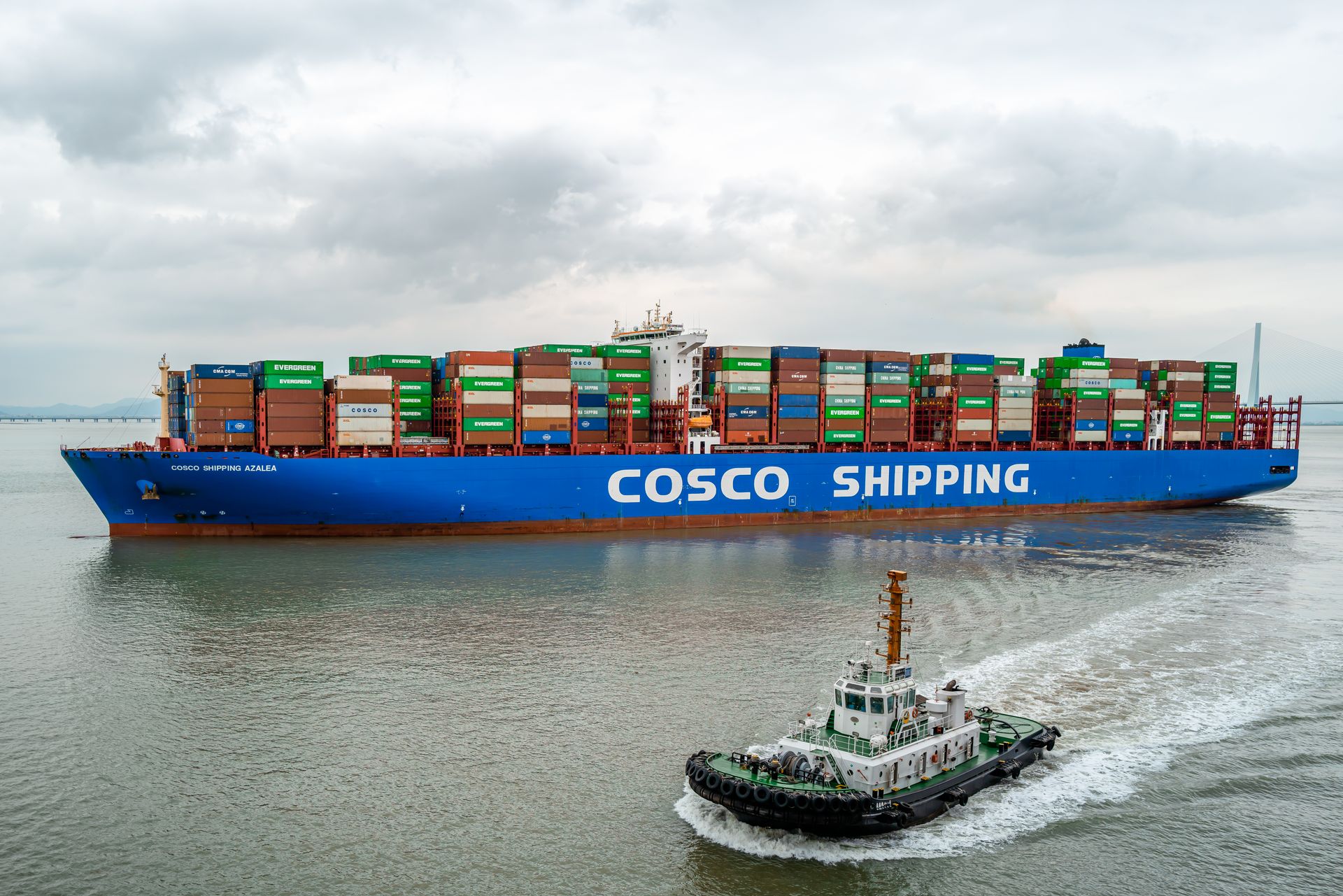
Japan to bolster sea lane defence with Southeast Asia info-sharing plan
Japan will set up a broad maritime information-sharing framework with Southeast Asian countries, led by the Philippines, Vietnam and Indonesia. With the Hormuz crisis and South China Sea tensions in the background, Tokyo is moving to protect critical trade lanes.

Huawei says its new Kirin phone chip overcomes US clampdown
Chinese tech giant Huawei said a new Kirin chip developed for its phones overcomes US-led export restrictions. The announcement marks a fresh stage in the US-China contest over chip technology.