UAE exits OPEC, seeking greater flexibility led by its own oil output
The United Arab Emirates' formal departure from OPEC marks a major break in Gulf energy diplomacy. A Nikkei Asia analysis examines the country's strategy of prioritising its own oil output. The move has reopened debate on the new global oil-supply balance.
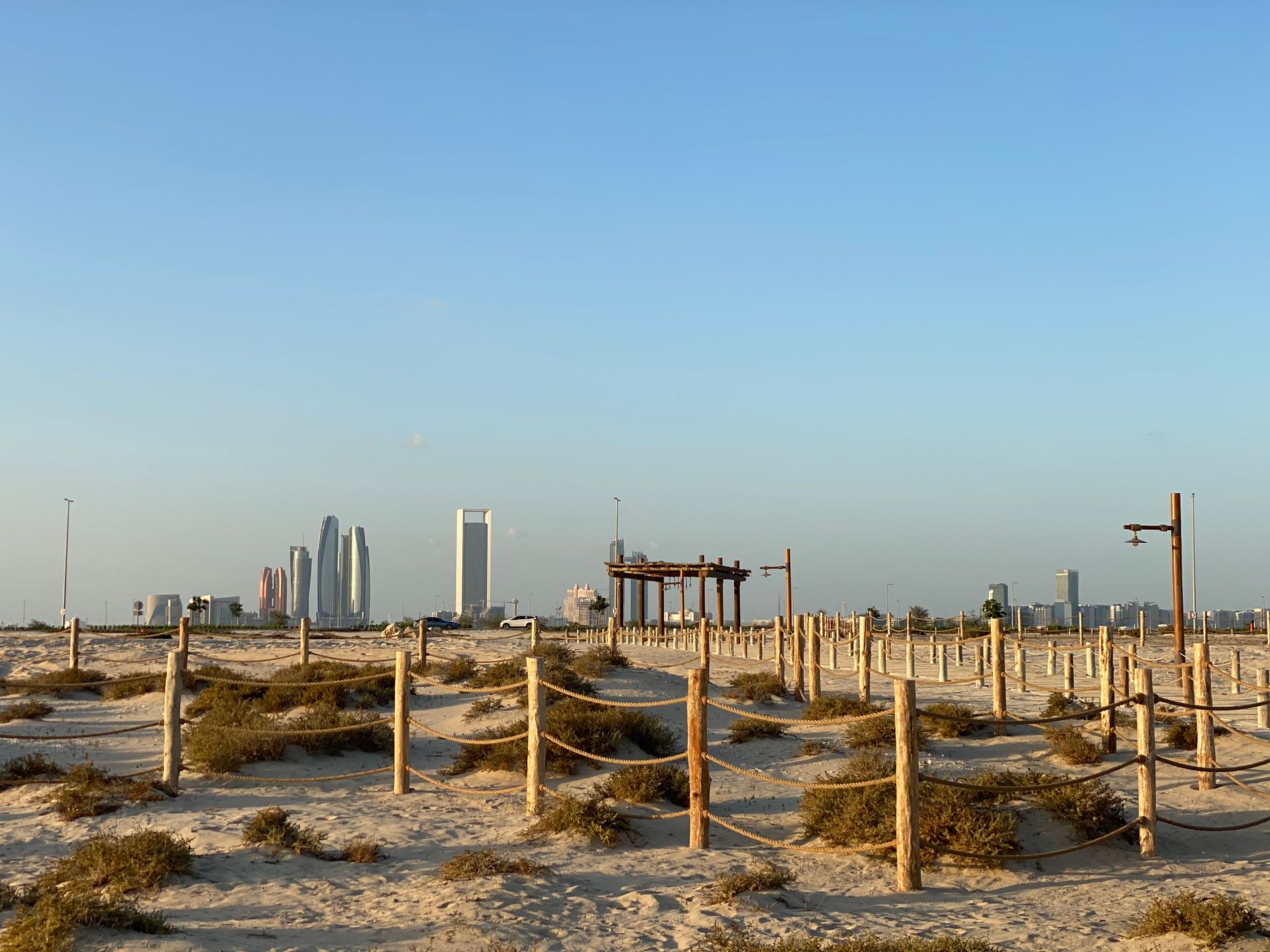
The United Arab Emirates' decision to leave OPEC marks a significant rupture in Gulf energy diplomacy, according to a Nikkei Asia analysis. Abu Dhabi appears to be seeking greater flexibility to exploit its own reserves and protect its long-term growth plan.
With the Iran war keeping pressure on global supply, the UAE's move opens independent room for manoeuvre against Saudi Arabia's reluctant production cuts. The country has invested heavily to lift its capacity, which has approached the 5 million barrels per day threshold in recent years.
Potential implications include a loosening of the OPEC+ framework, more competitive pricing to Asian buyers and renewed negotiation requests on long-term LNG contracts. Investors will watch closely how Beijing and New Delhi respond to fresh supply arrangements and whether other Gulf producers follow the Emirati path.
More from Asia

Seoul says 'unidentified aircraft' struck Korean cargo ship in Hormuz
South Korea's foreign ministry says a Korean cargo ship hit in the Strait of Hormuz six days ago was struck by "unidentified aircraft." U.S. President Donald Trump had earlier claimed that Iran had "taken some shots" at the vessel. The incident has further raised tensions in the critical waterway.

Explosion at China fireworks factory kills 26 people
An explosion at a fireworks factory in Hunan province, China, killed 26 people and injured 61, according to state media reports.
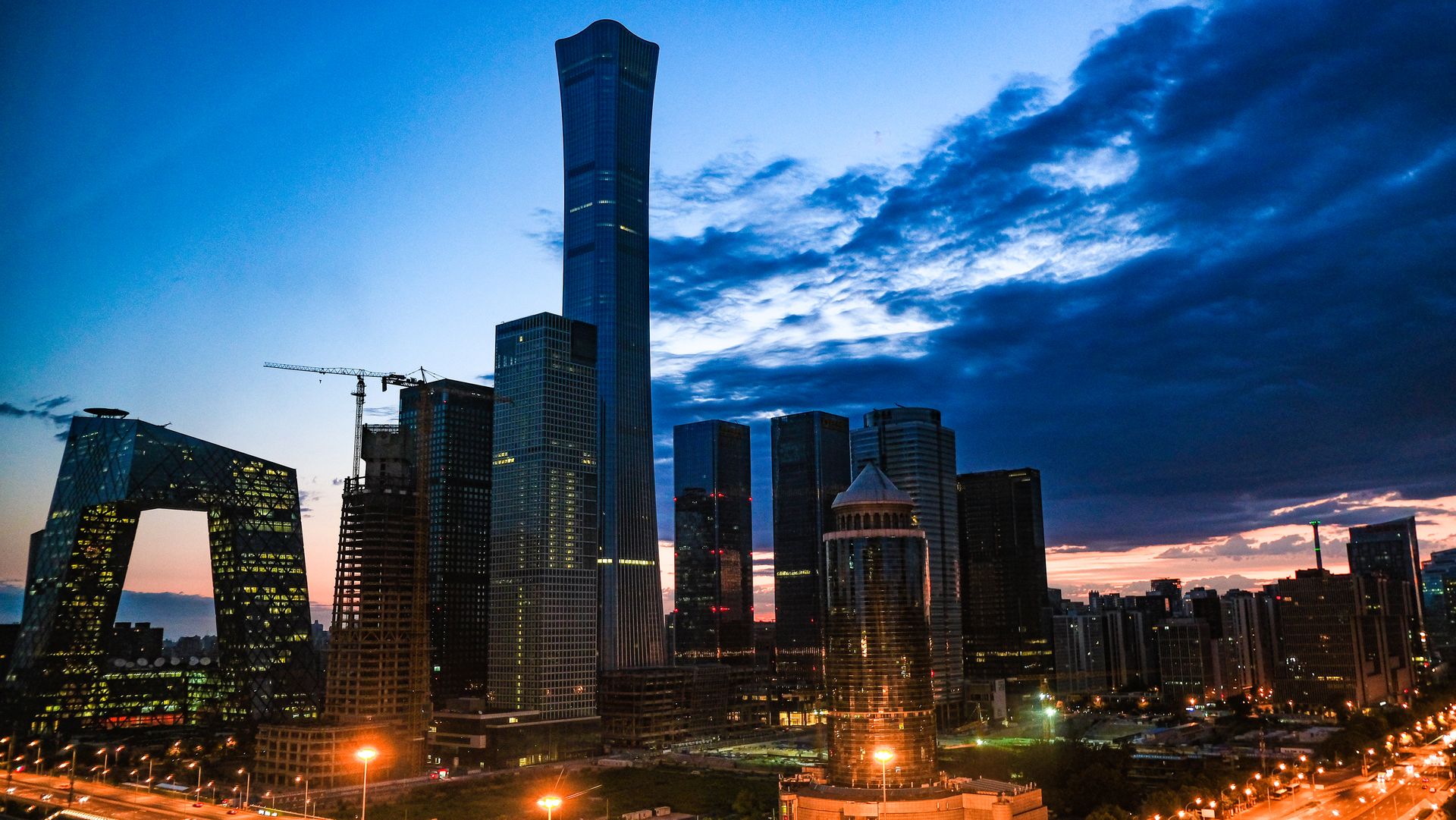
China scraps tariffs for all but one African nation
China announced it has scrapped tariffs for almost all African nations. This move boosts China's soft power in African states, but may also deepen economic inequalities.