Over 160 oil tankers stuck in Gulf as Iran tightens grip on Hormuz
More than 160 oil tankers are stranded in the Gulf of Oman and the Strait of Hormuz because of intensified inspections by Iran's Revolutionary Guards. More than half of all shipments bound for Asian refineries are delayed; oil-market premiums are climbing rapidly.

According to a Nikkei Asia report based on maritime tracking data, the number of tankers waiting at the Strait of Hormuz exit has tripled the normal level over the past three days. Iran's Revolutionary Guards are holding vessels suspected of flag-of-convenience operation for 8 to 18 hours under 'routine inspection'; tankers flying the Liberian flag face the longest delays.
Japanese trading house Mitsubishi Corp projects that Asian refineries will struggle to receive 60% of their targeted June crude supply. China's Sinopec, India's Reliance and South Korea's SK Innovation have requested additional volumes from Saudi Arabia and the UAE, pushing East–West freight costs sharply higher.
Brent crude closed at $99.82 per barrel in London, while assessments from Hong Kong trading desks said the 'Hormuz risk premium' had risen $5.20 over the past week to reach $10.80. The US navy maintains that freedom of navigation in the area is 'unimpeded', but Asian trading houses interviewed by Nikkei said the practical situation does not match that claim.
More from Asia
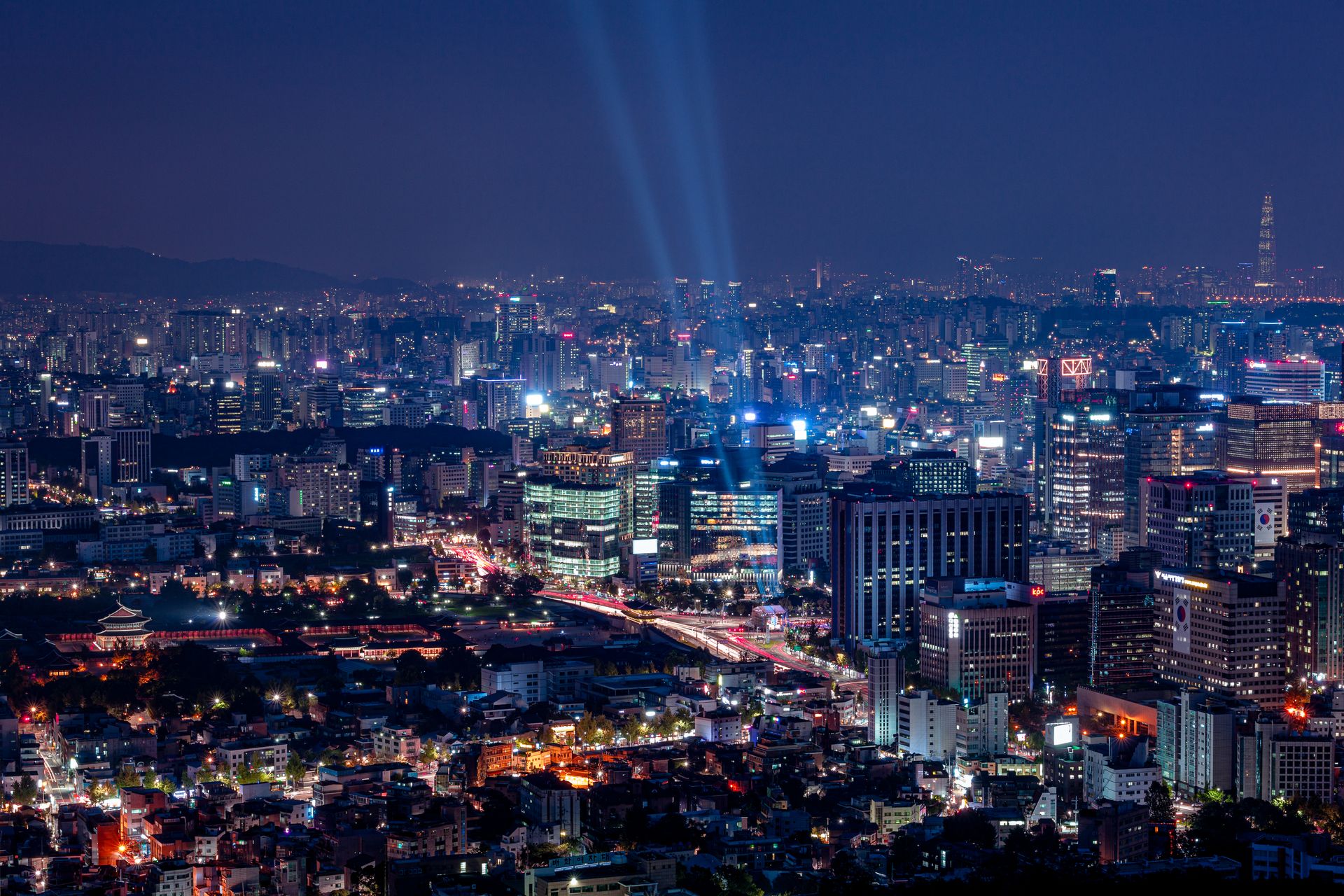
Samsung union suspends strike after agreeing on bonuses
Samsung Electronics' largest union has called off its strike after reaching an agreement with management on a bonus package. The decision is critical for the global HBM3E AI memory supply chain. Production will return to full capacity in the coming days.
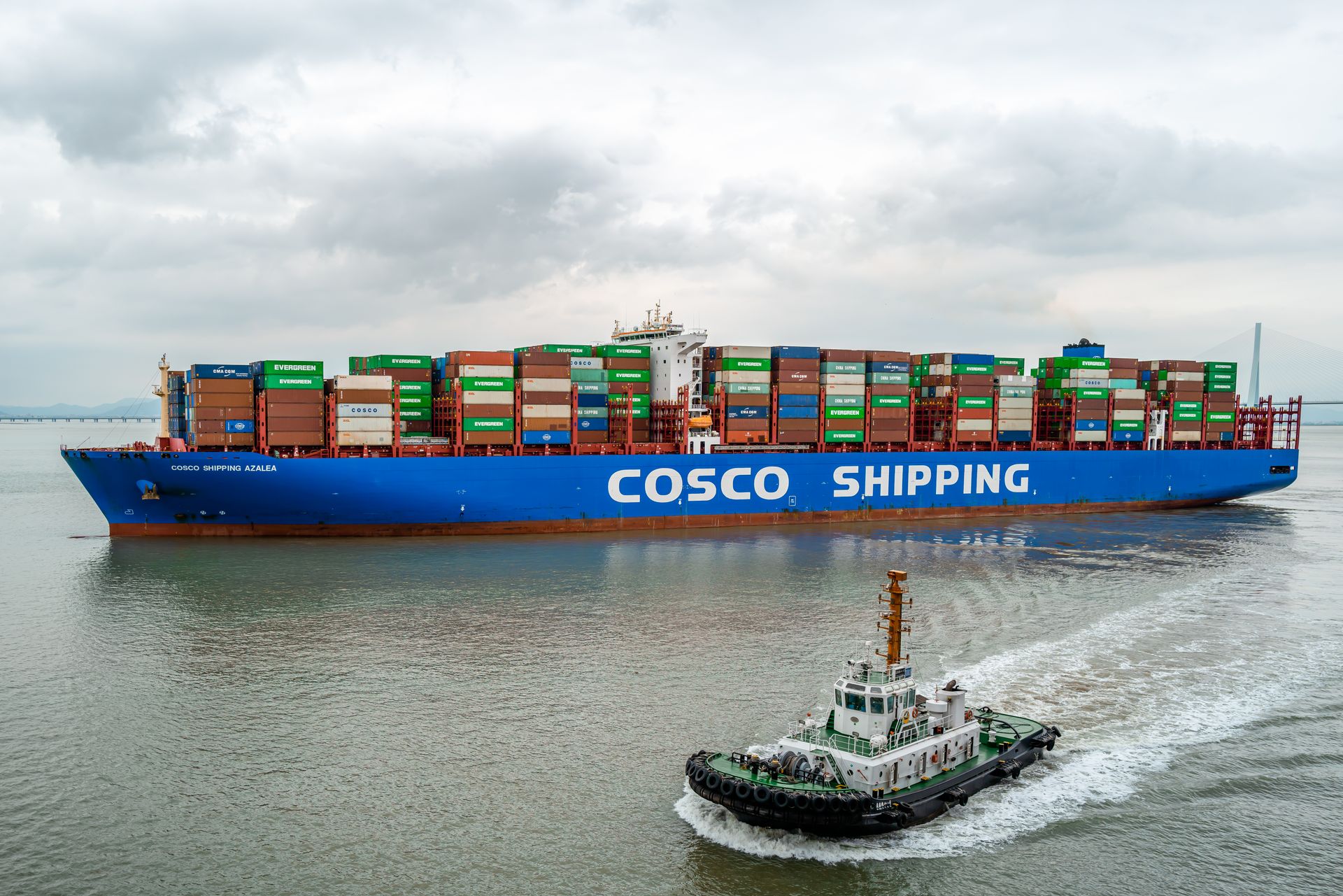
Japan to bolster sea lane defence with Southeast Asia info-sharing plan
Japan will set up a broad maritime information-sharing framework with Southeast Asian countries, led by the Philippines, Vietnam and Indonesia. With the Hormuz crisis and South China Sea tensions in the background, Tokyo is moving to protect critical trade lanes.
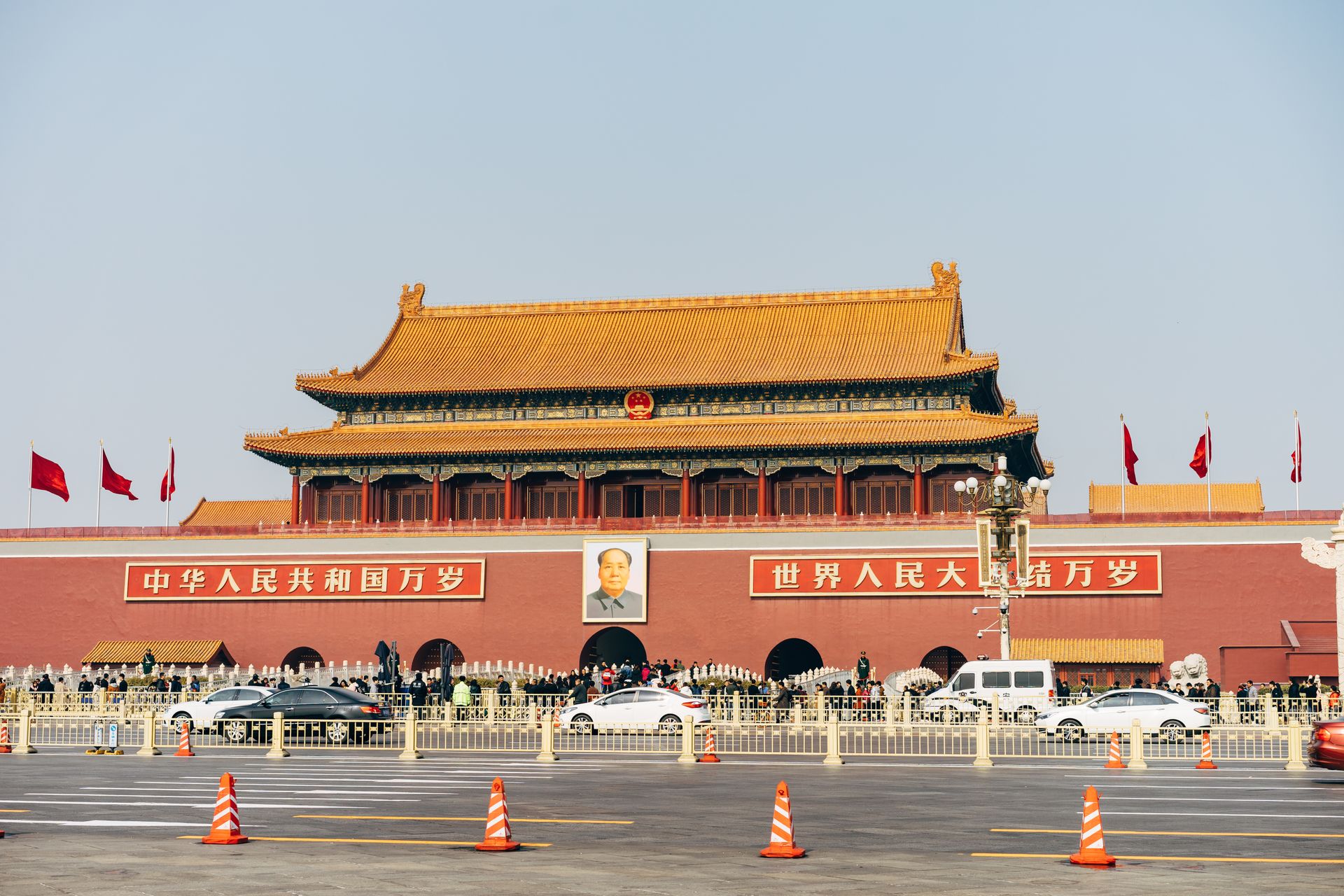
Rosenberg: Putin enjoys Xi's Chinese welcome but heads home without pipeline deal
BBC editor Steve Rosenberg writes that Vladimir Putin's visit to Beijing ended without a 'Power of Siberia 2' pipeline deal despite the dazzling diplomatic welcome. The Chinese side avoided agreeing on long-term offtake pricing. The economic substance is not moving at the same speed as the geopolitical embrace.