Australia warned over global data centre hotspot status as boom accelerates
New data centres are coming online in Australia at speed to meet AI demand. Industry analysts and environmental groups warn the build-out may outpace adequate planning around climate and water resources. NextDC and AirTrunk are leading the investment wave.

ABC News Australia reports that 17 new data centres are under simultaneous construction across Australia as the global AI build-out accelerates. NextDC, AirTrunk and Iren have committed a combined A$14 billion (about $9.2 billion) of investment, making Australia the largest Asia-Pacific data-centre market after Singapore.
ClimateWorks Center director Anna Skarbek told the ABC that "governments need to ensure that data-centre development does not outpace climate and energy infrastructure planning". The AustralianTech industry body estimates new centres could account for 11% of Australia's electricity consumption by 2030, up from the current 4%. The Tilba project in New South Wales is already consuming 3.2 million litres of water a day.
On the Australian Stock Exchange, NextDC (NXT) shares are up 21% year to date; Goodman Group's data-centre development arm has also booked strong growth. The Australian government said its National AI Strategy, due next month, will include data-centre siting guidelines. The Federal Environment Department said its plan would require any new project to demonstrate "total water-equivalent neutrality" as a condition of approval.
Read next

US-Iran deal leaves core sticking points unresolved as $300 billion question takes shape
BBC Middle East analysis says the US-Iran framework agreement that opens a 60-day negotiation window leaves critical issues unresolved: nuclear enrichment, verification mechanisms, and how the $300 billion reconstruction fund will actually be financed. The text foresees a joint protocol for Strait of Hormuz security but the operational details remain undisclosed. Both Tehran and Washington keep cautionary language in their public statements.
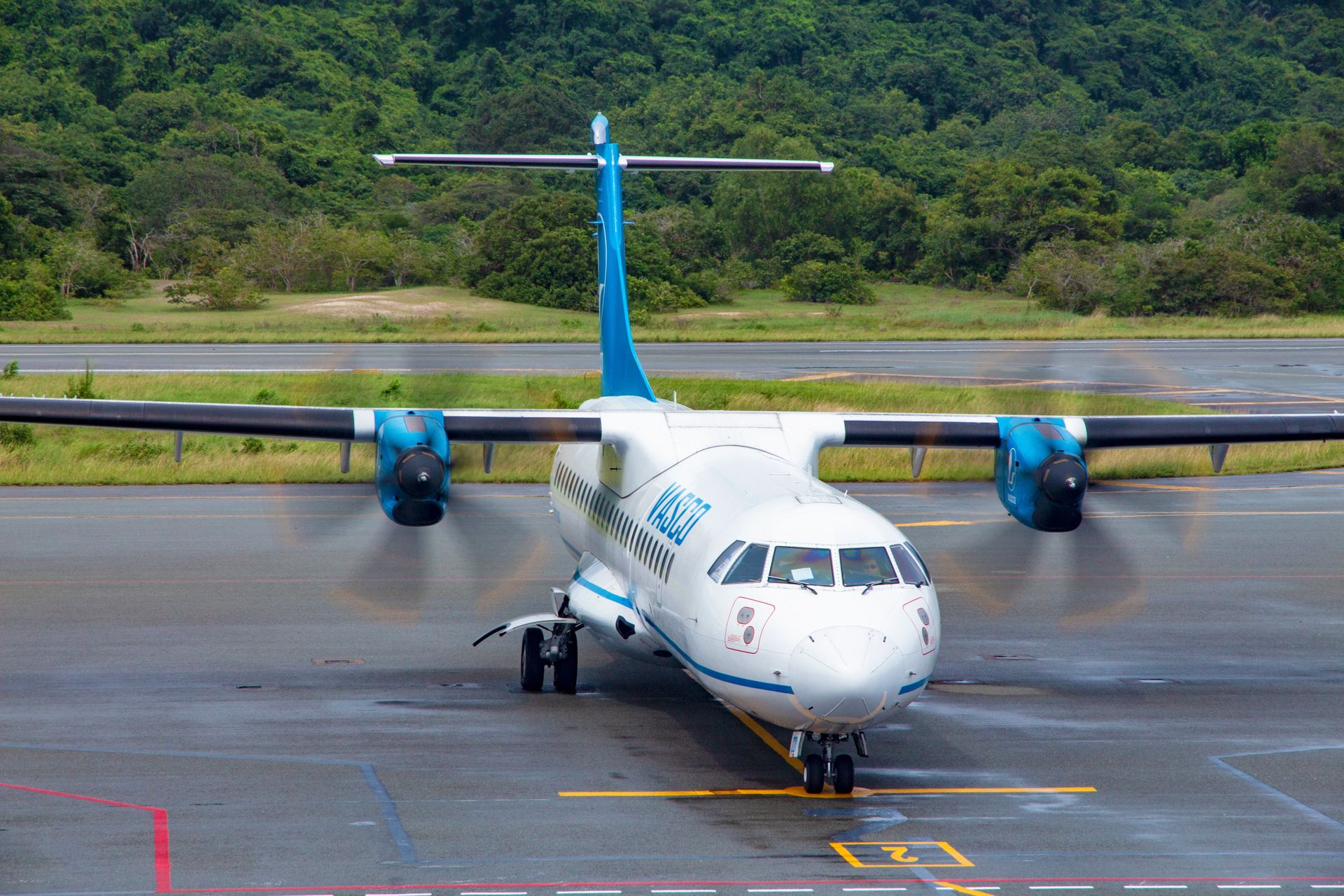
New Zealand regional airline Originair posts 'horrific' year as jet fuel surge bites

Northern Territory smart-meter rollout botched: bills delayed months, government admits failure

No Taiwan call and no new arms sales: how Trump is preparing to welcome Xi to Washington

Colombia heads to run-off election: De la Espriella vs Robledo set to decide Petro's legacy