Indonesia's Prabowo tightens state grip on palm oil and coal amid monopoly fears
Indonesian President Prabowo Subianto has set up a new state body to manage palm oil and coal exports. The move aims to give the world's largest palm oil producer leverage over prices, but analysts warned of monopolisation and investor concerns. Indonesia accounts for roughly 60 percent of global palm oil supply.

Indonesian President Prabowo Subianto on Tuesday signed a presidential decree creating a single state body to manage exports of the country's 'strategic' commodities. The new Strategic Commodity Exports Agency (BPESK) will have powers to license, set price caps and impose quotas on palm oil, coal, nickel and tin exports. All exporters will require approval from the state body.
Indonesia supplies about 60 percent of global palm oil, with exports worth $35 billion last year. Coal exports were $27 billion. Major firms including Wilmar International, Golden Agri-Resources and Adaro Energy warned the regime will slow operating decisions. On the Singapore exchange, Wilmar shares fell 4.2 percent and Adaro lost 5.8 percent.
Aldi Pratama, an adviser at the Indonesia Investment Authority, said: 'This is intended to function in a way similar to Turkey's TMO in grain markets, but Indonesia's global commodity weight is much higher.' EU Trade Commissioner Maroš Šefčovič said the bloc will review whether the decree is consistent with WTO rules. Officials in India and China have yet to comment publicly.
More from Asia
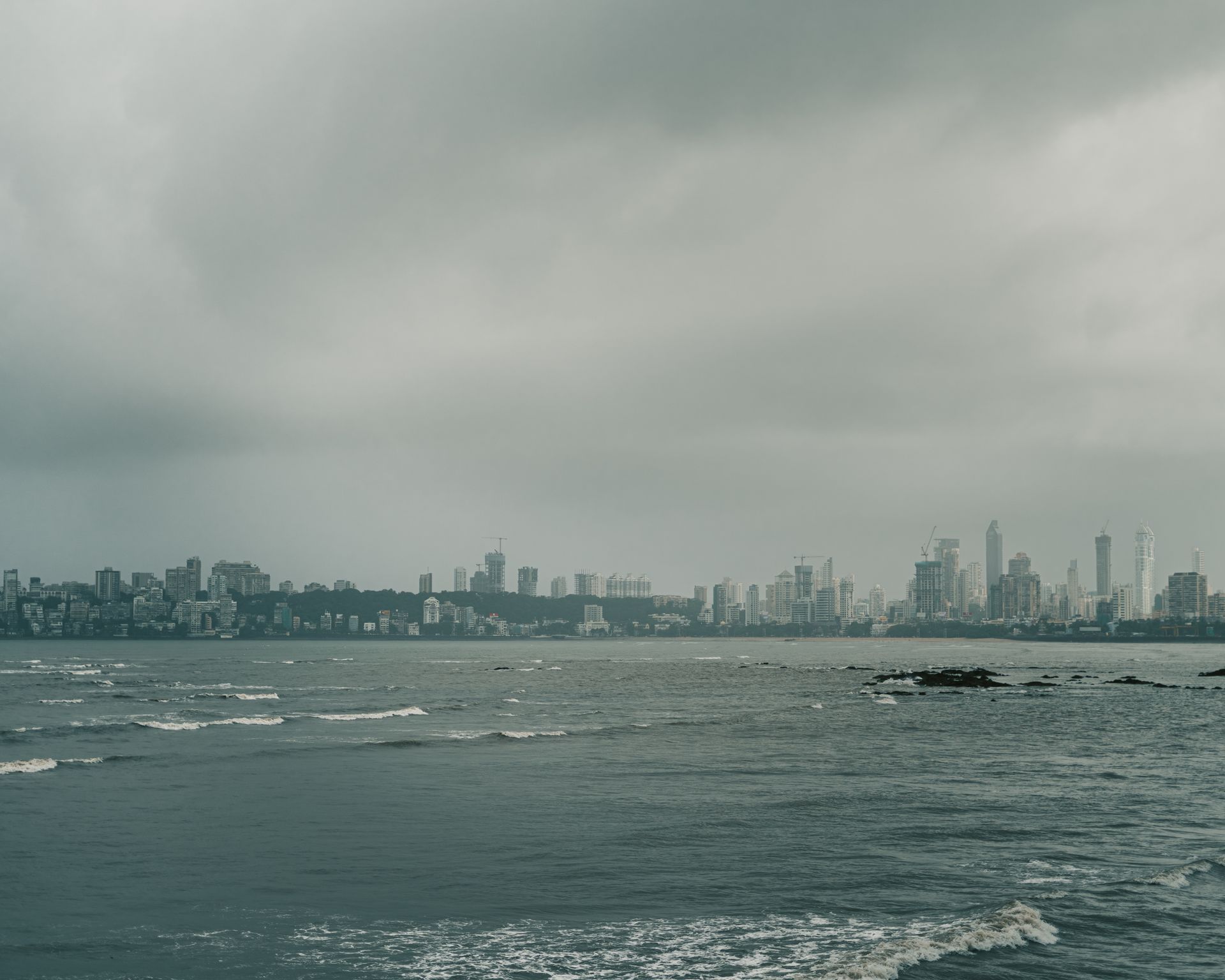
India may tighten capital controls to halt rupee slump, Citi says
A Citigroup report forecasts that the Reserve Bank of India is preparing to tighten capital outflow controls after the rupee weakened 7.2 percent against the dollar in the past six months. Likely measures include lowering individual foreign exchange transfer limits and exporter income repatriation rules.
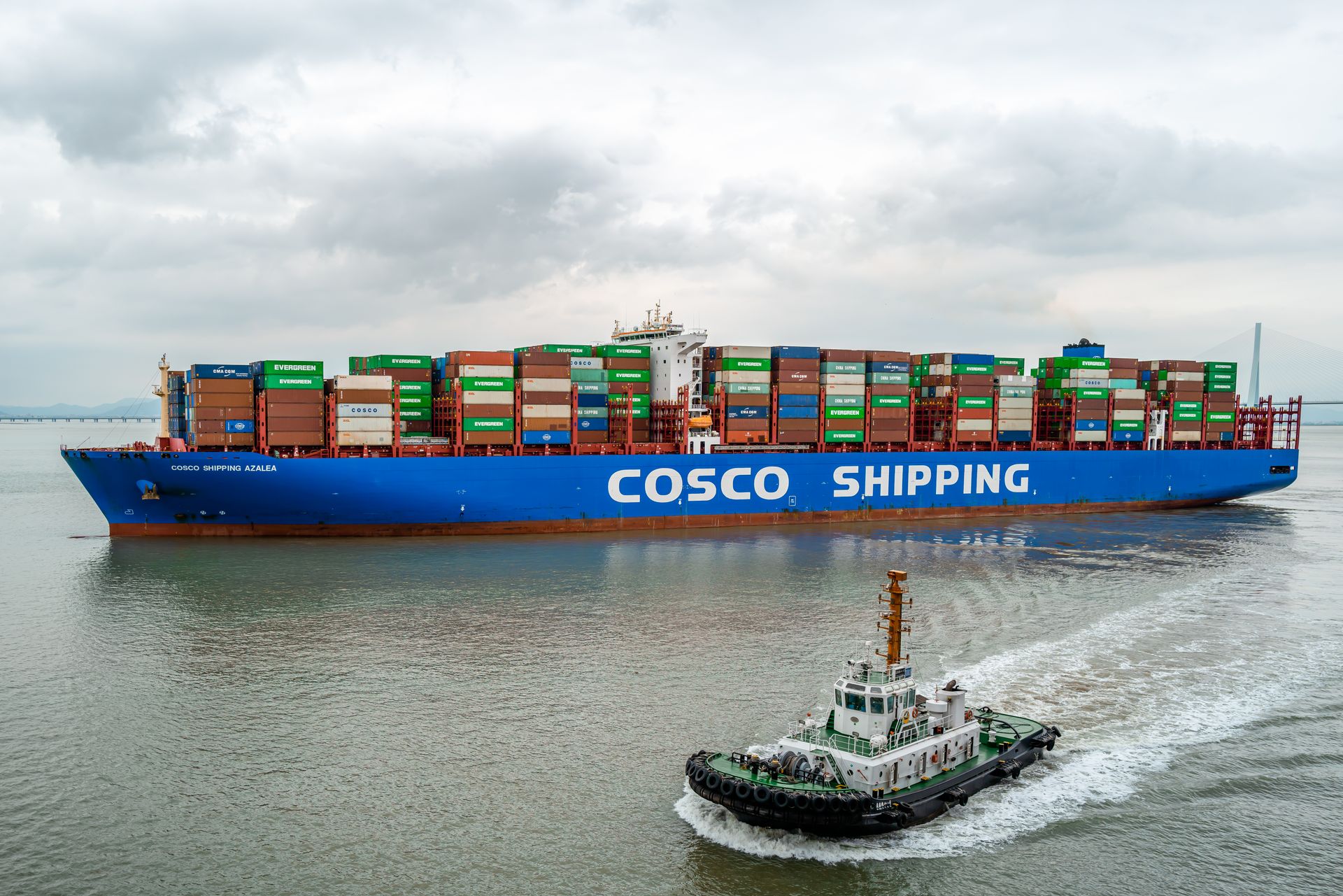
Japan to bolster sea lane defence with Southeast Asia info-sharing plan
Japan will set up a broad maritime information-sharing framework with Southeast Asian countries, led by the Philippines, Vietnam and Indonesia. With the Hormuz crisis and South China Sea tensions in the background, Tokyo is moving to protect critical trade lanes.

Meta cuts 8,000 jobs, including more than 100 in Singapore, in AI-driven efficiency push
Meta Platforms has begun cutting roughly 8,000 jobs globally. According to former employees, more than 100 positions in Singapore are affected. CEO Mark Zuckerberg cited efficiency gains and artificial intelligence-driven automation as the primary rationale.