Tasmania premier backs away from revealing reasons for backbencher's legal costs
Tasmania's premier Jeremy Rockliff has backtracked on a pledge to explain why taxpayers paid a 15,000-dollar legal bill for one of his backbenchers. Opposition parties and transparency advocates have reacted sharply.
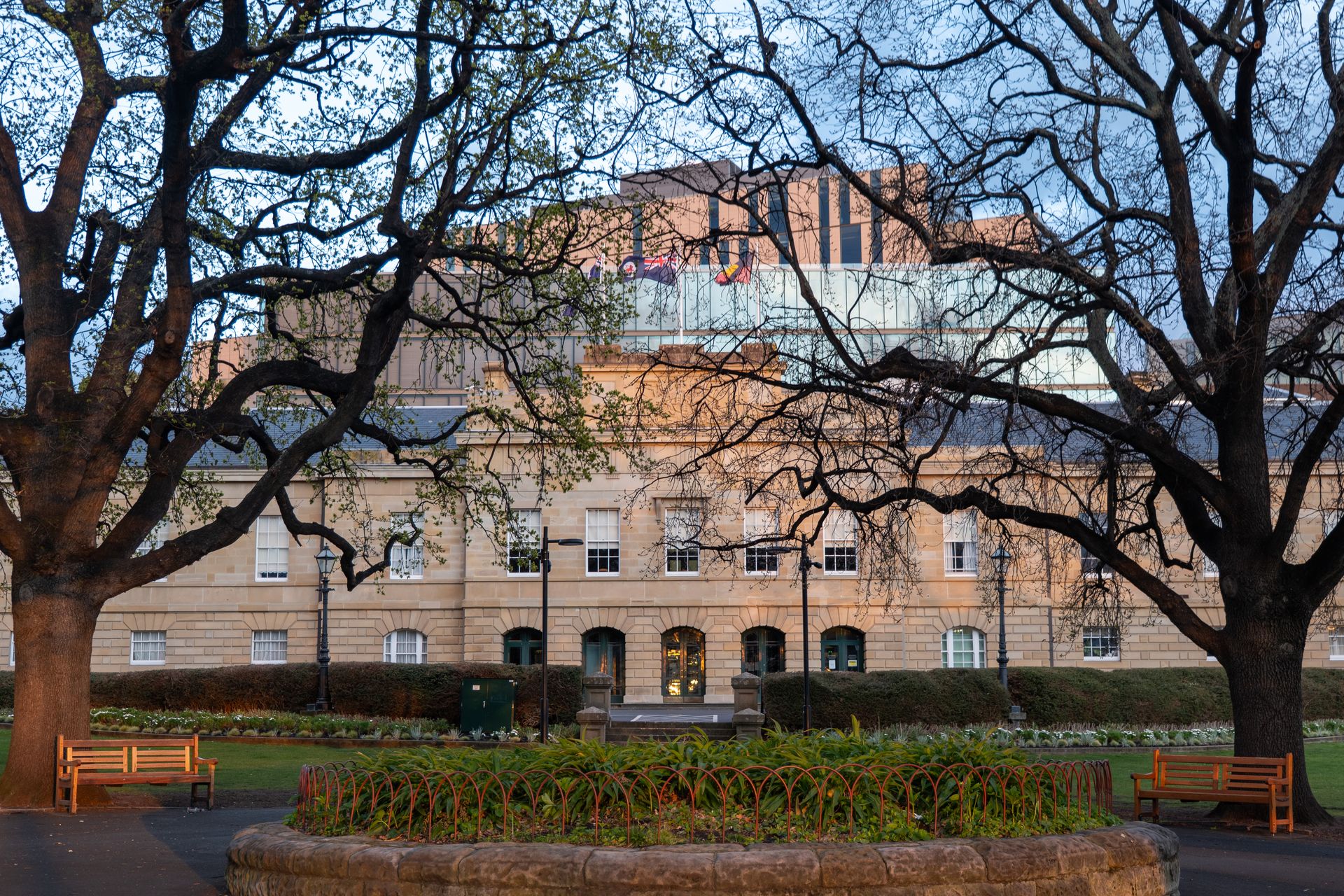
Tasmania's premier Jeremy Rockliff said he would not provide further details about why a 15,000-dollar legal bill incurred by one of his backbenchers had been paid from public funds. He had earlier promised the parliament 'full accountability' on the matter.
The Labor opposition and the Greens described the decision as a cover-up of the misuse of state resources. Transparency-focused groups demanded that the case be examined by an independent anti-corruption commission, and a referral to a parliamentary committee was filed shortly after the premier's statement.
The political fallout is mounting. Polls show that government trust has fallen by the largest margin in six months. The state budget is due to be tabled next month, and the Liberal-led minority government's coalition partner warned that it could review its support if a clear commitment to openness is not provided in time.
More from Australia-Pacific

Netball body suspends woman charged over alleged antisemitic slur at kids' game
An Australian netball governing body has suspended a woman charged over an alleged antisemitic slur at an under-12 girls' game in Sydney. Jewish community leaders said the incident reflected a troubling pattern playing out on sporting fields.

Sunwater Chair Calls Costly Dam Rebuild 'Grossly Disproportionate'
The chair of Sunwater, the Queensland state water infrastructure operator, has rejected the cost of the Paradise Dam rebuild as "grossly disproportionate." The move has reopened a politically charged debate over rural water security and farming irrigation in the state.
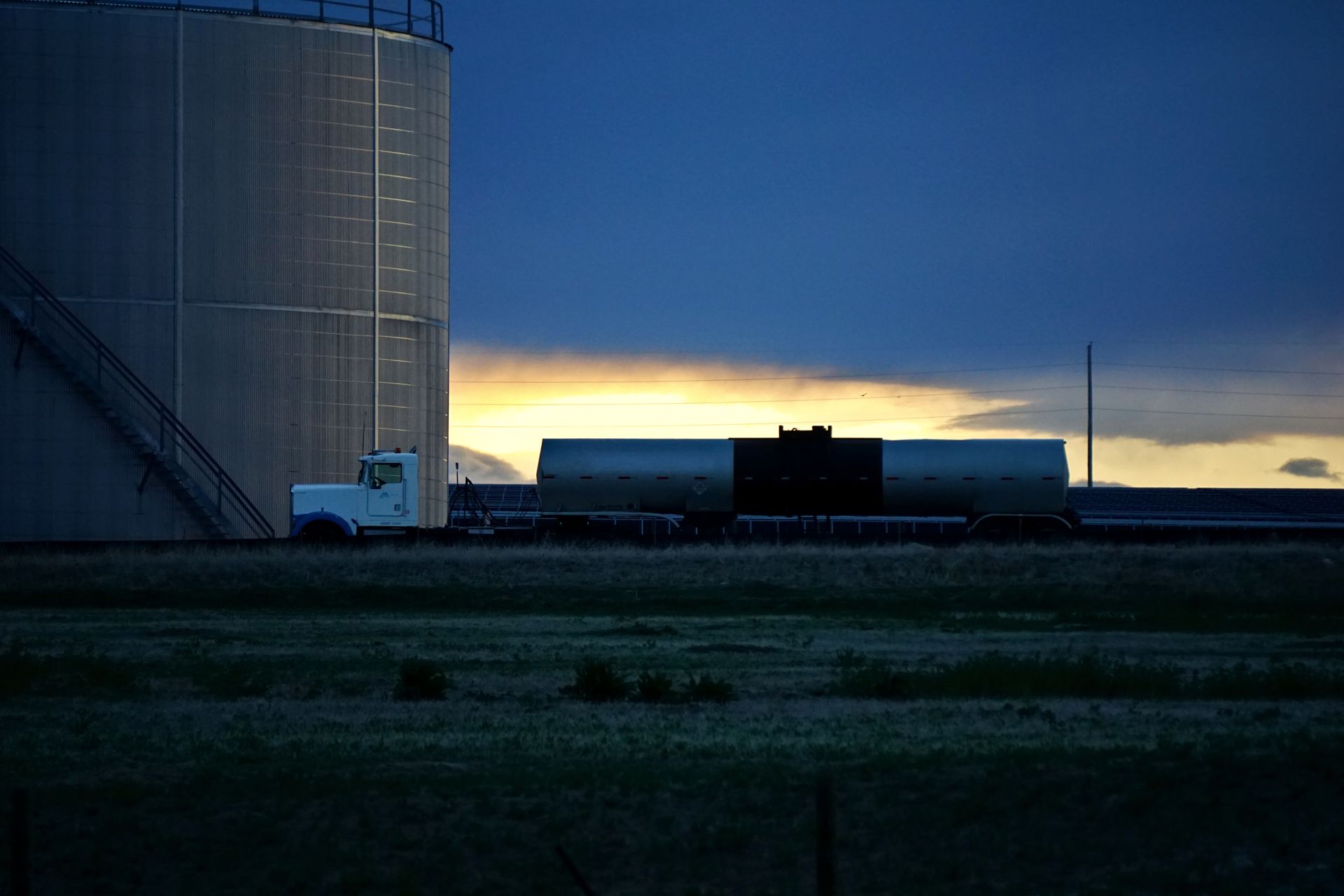
South Australia Sets Up $40 Million Diesel Stockpile in Response to Iran War
The South Australian government has announced the purchase of $40 million Australian dollars' worth of diesel reserves to soften the impact of the Iran war on energy supply. The stockpile is aimed mainly at keeping critical mining and farming machinery running.