Brazil reaps gains from US-China tensions through resource diplomacy
Brazil is capitalising on US-China rivalry by channelling global demand for soybeans, iron ore and rare-earth elements. The Lula administration has maintained an alignment line with both major powers. The strategy is delivering significant trade margins and investment inflows for the country.

Brazil is turning the trade tensions between Washington and Beijing into an economic gain by repositioning its natural-resource exports for both sides. Soybean shipments are surging on record Chinese purchases, while iron-ore prices respond to global infrastructure demand; the country has made resource diplomacy a tool of growth.
The Lula administration maintains a geopolitically neutral stance, deepening its BRICS+ engagement with Beijing while keeping energy and defence-industry dialogues open with the White House. That balanced approach is opening doors for Brazilian companies to large infrastructure projects and joint-investment opportunities from both blocs.
Indicators suggest Brazil's 2026 current-account balance could reach its strongest level in a decade, with the real supported by stronger commodity revenues. Analysts caution, however, that the margins built up could narrow rapidly in the event of a global recession or a US-China reconciliation. The Lula administration is seeking to diversify the model through industrial policy and green investments.
More from South America
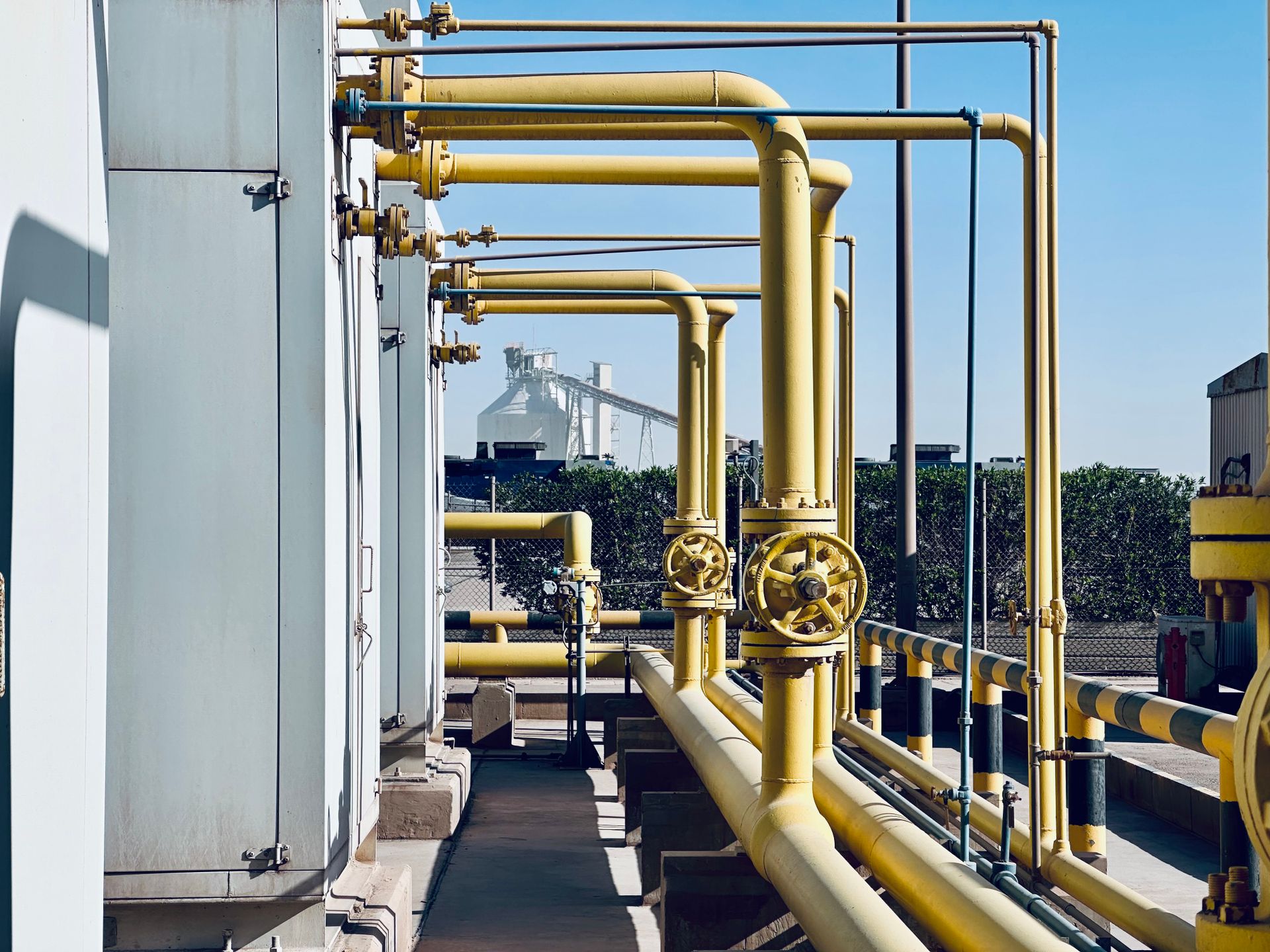
Venezuela starts sovereign and PDVSA debt overhaul with liabilities seen above $150 billion
Venezuela has launched a sweeping overhaul of sovereign and PDVSA debt, with total liabilities reported above $150 billion. The government has opened formal talks with creditors and advisers. The process is expected to be one of the largest sovereign debt restructurings in Latin American history.

Three dead after monster truck crashes into crowd
A monster truck crashed into a crowd at a show in Colombia, killing at least three people and injuring 38. The incident raises fresh concerns about public safety at large events.

Colombia announces record $1.4 million bounty for rebel leader blamed in bomb attack
Colombia's government announced a record $1.4 million bounty for a rebel commander known as "Marlon," blamed for orchestrating a bomb attack that killed 20 people. The extraordinary reward underscores the government's intensified campaign against armed groups destabilizing the nation.