Cerebras lifts IPO price range to $150-$160 as demand surges, sources say
AI chipmaker Cerebras Systems is raising its IPO price range to $150-$160 a share, two people familiar with the matter told Reuters. The move follows stronger-than-expected investor demand and lifts the company's implied valuation well above the original target. Cerebras pitches itself as a wafer-scale alternative to Nvidia in AI training.
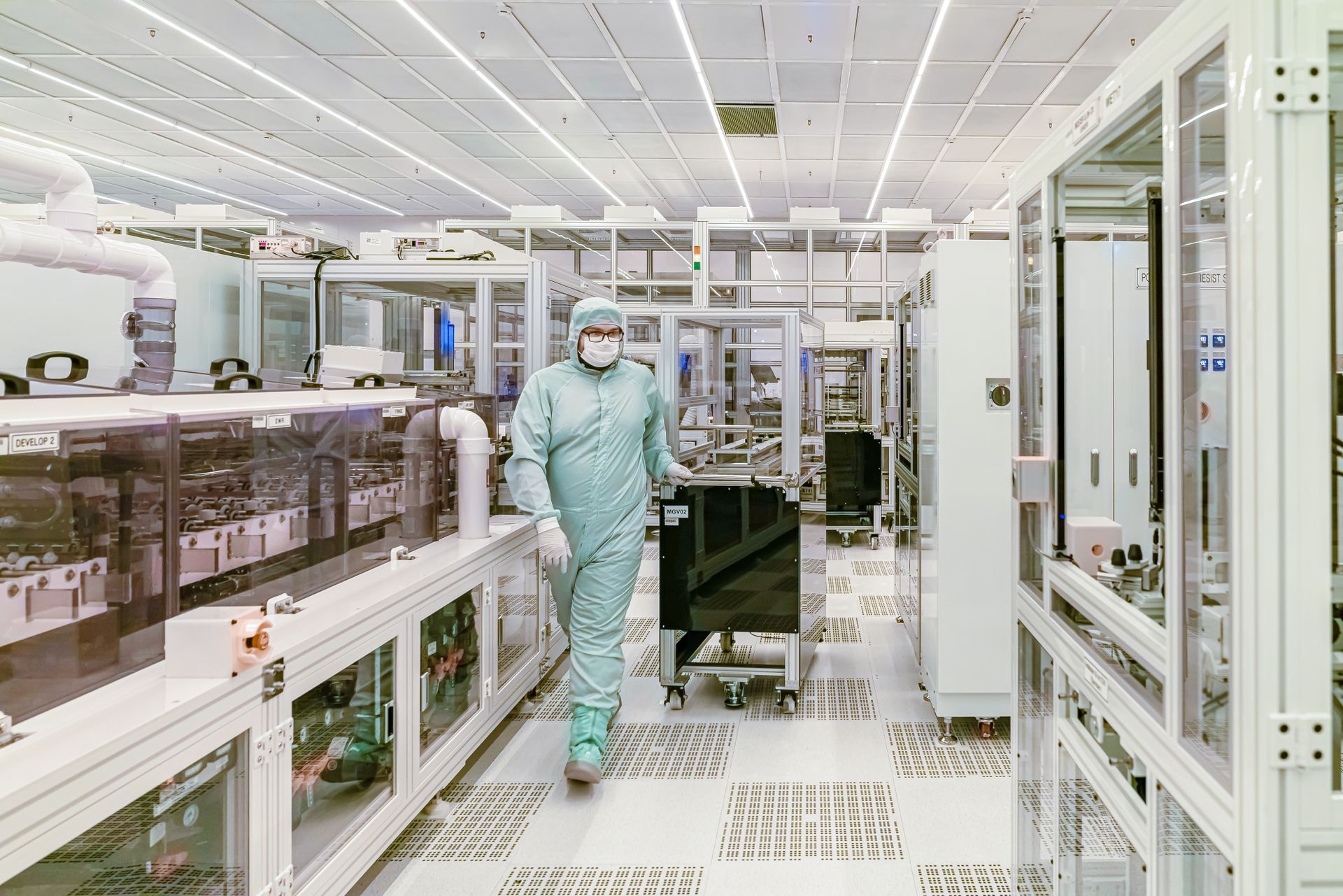
Cerebras Systems plans to price its initial public offering at $150-$160 per share, up from the previously disclosed $130-$145 range, two people familiar with the matter told Reuters. The revision reflects stronger-than-expected demand from institutional investors and would push the company's implied market value well above its earlier target.
The California-based firm builds wafer-scale processors that compete with Nvidia's GPUs in training large AI models. Continued capital spending by Microsoft, Google and OpenAI on data centres has kept demand for AI compute high, opening room for challengers such as Cerebras to win pilots and recurring orders.
The sources said pricing is expected to be finalised this week. Proceeds will fund research, manufacturing and customer acquisition. Investors will be watching whether Cerebras can convert benchmark wins into durable revenue and chip away at Nvidia's dominant market share.
More from North America

Cerebras lifts IPO price range to $150-$160 a share as AI chip demand surges
AI chip designer Cerebras raised the price range of its US initial public offering to between 150 and 160 dollars a share. The move comes after investor demand far exceeded the original range. The deal could value the company near 35 billion dollars.

US stock futures slide and oil surges after Trump calls Iran offer 'totally unacceptable'
Wall Street futures slipped on Monday morning while oil prices jumped after Trump rejected Iran's latest proposal to halt the war. The move pushed investors to brace for a longer Gulf standoff, sending the dollar higher as a safe haven and lifting volatility gauges.
US pension funds double down on private credit despite deepening cracks
US public pension funds are stepping up allocations to private credit even as defaults edge higher and valuation concerns mount. Plan trustees argue the asset class still offers a yield premium over public bonds, while critics warn that opacity and concentration risks are growing. Apollo, Blackstone and Ares remain dominant managers in the space.