Unclear whether US-Iran agreement will provide respite to Lebanon
Whether the framework deal between the US and Iran will offer Lebanon any real respite remains unclear, with Israel continuing strikes on Hezbollah targets in Beirut and southern Lebanon in the hours after the announcement. The cessation of broad regional fighting is fragile. Lebanon's economy is still contracting in mid-2026 amid mass displacement and an unresolved central-bank crisis.

Whether the US-Iran framework will hand Lebanon any real respite remains uncertain. Hours after Trump announced the framework on Sunday, the Israeli Air Force struck residential areas south of Beirut and two sites described as Hezbollah depots in southern Lebanon. Lebanon's Health Ministry said eight people had been killed and 23 wounded in the past 24 hours.
Hezbollah said it reserved the right to retaliate if the ceasefire mechanism is not put in place after the US-Iran deal. Lebanese President Joseph Aoun called urgently on the UN Security Council to act. The country's economic indicators remain grim: the dollar has reached 175,000 lira and unemployment is close to 35%.
The World Bank projects that if the ceasefire holds, Lebanon's economy could grow 3.2% in 2027; if it does not, the economy could contract a further 4.8%. The cost of rebuilding Beirut alone is estimated at $35 billion.
Read next

Israeli cyber firm accused of targeting First Minister during election campaign
Scotland's First Minister has called for an investigation after evidence emerged that an Israeli cyber-intelligence firm allegedly targeted her official phone during the recent election campaign. Police Scotland and the Scottish Parliament have opened parallel inquiries. The firm denied the allegations and said its technology is licensed only to states.

Australian private schoolboy faces court over alleged plot to attack LNP
Australian Federal Police opens inquiry into allegations Israeli forces assaulted flotilla activists

Australia demands answers after girl taken hostage is shot dead by Pakistan police
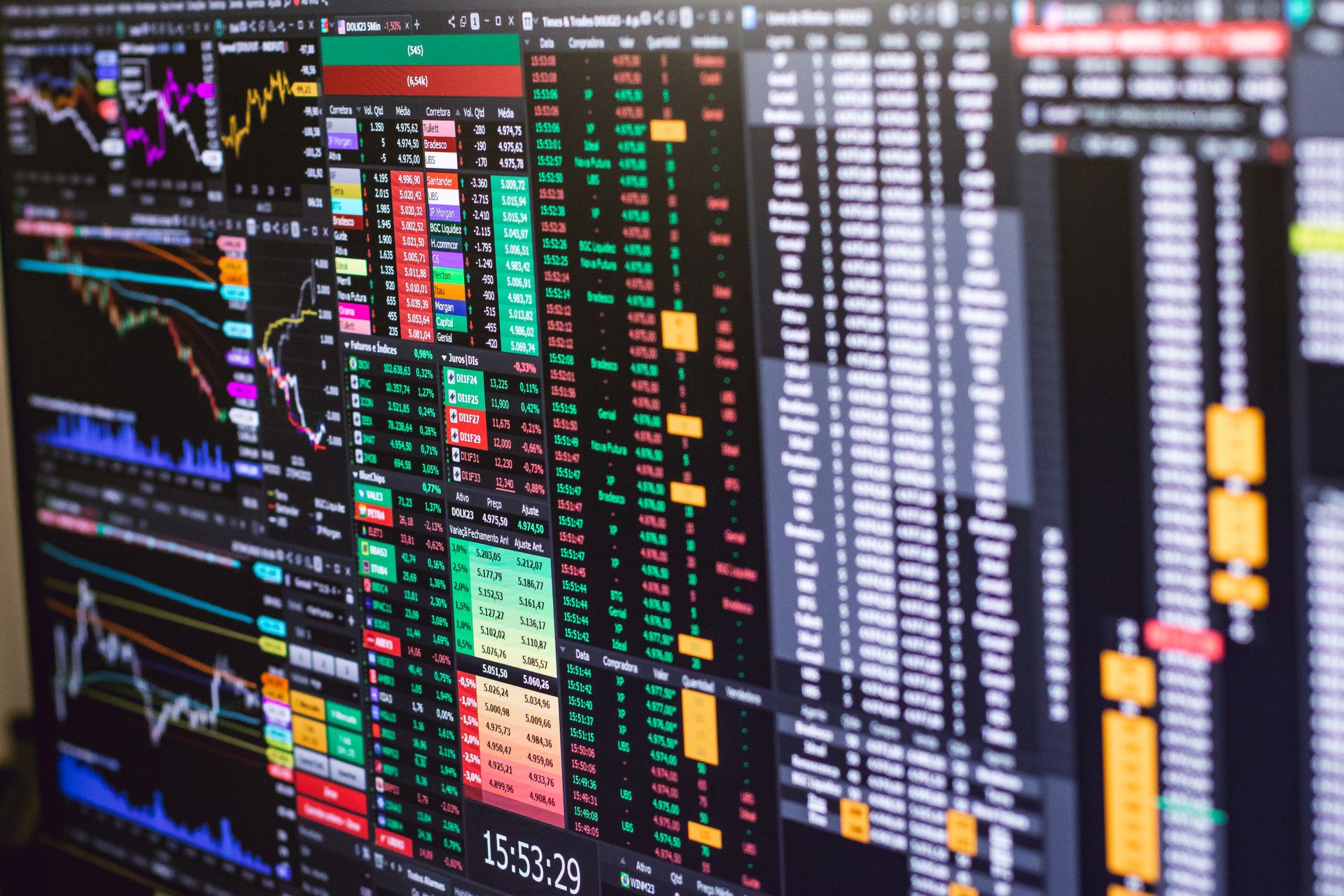
Asian stocks leap and currencies rise after Trump says Hormuz will reopen