Oil Prices Hit $80 as U.S.-Iran Strait of Hormuz Deal Doubts Grow
U.S. crude oil prices climbed above $80 a barrel as traders weighed mixed signals from Washington and Tehran over a potential deal to keep the Strait of Hormuz open. Concerns that talks between the United States and Iran could stall pushed prices higher, with analysts noting the strait remains a critical corridor for global oil shipments. Markets are watching for further signals from both governments in the coming days.
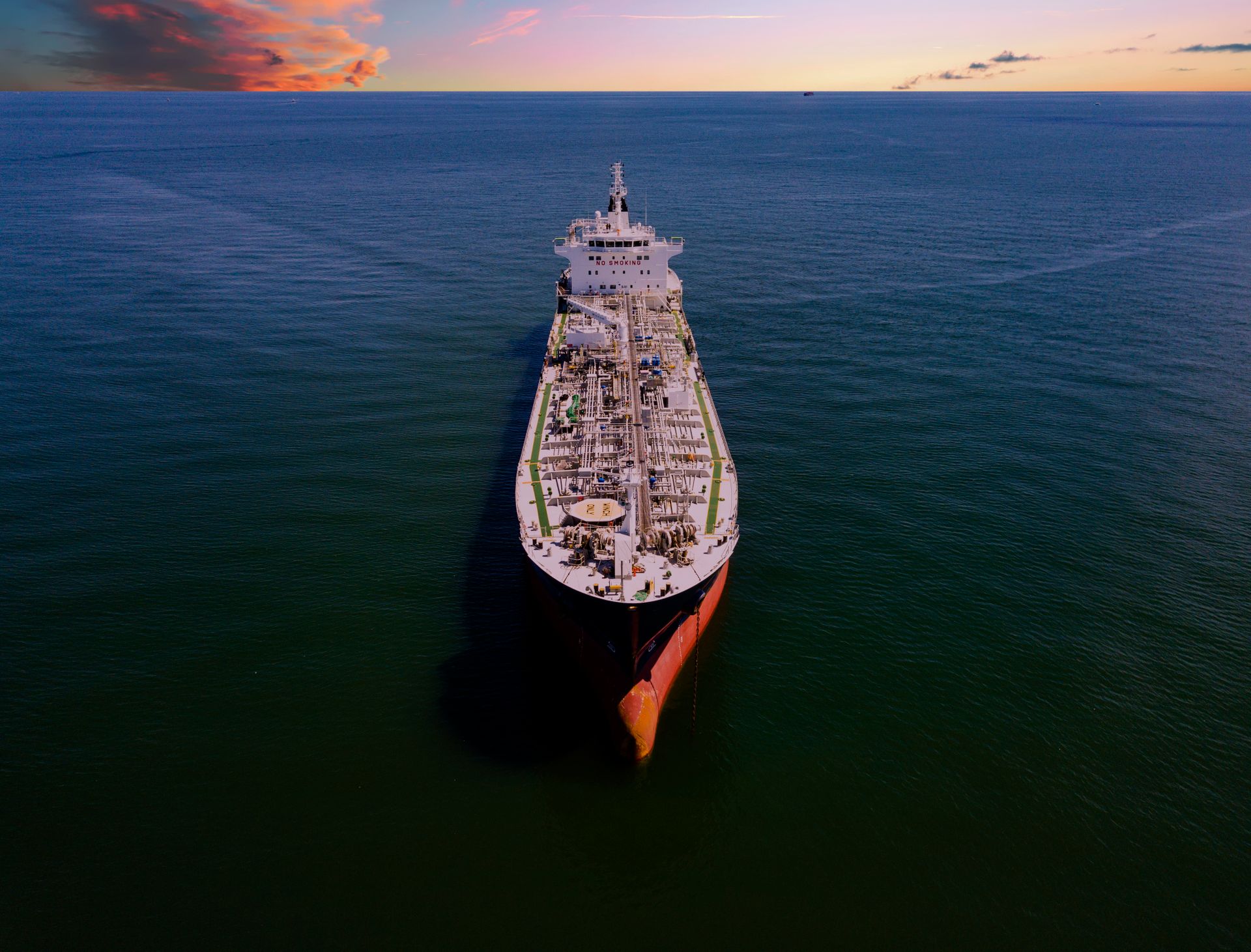
U.S. oil prices rose above $80 a barrel as traders grew increasingly doubtful that Washington and Tehran will reach an agreement over the Strait of Hormuz, the narrow waterway between Iran and Oman through which a large share of the world's seaborne oil trade passes. The advance reflected growing unease in energy markets over the prospects for a near-term resolution.
Traders said mixed signals from both governments have complicated efforts to gauge how close a deal might be. Analysts noted that any disruption to shipping through the strait would ripple through global energy supply chains, given the volume of crude and liquefied natural gas that transits the route daily. The uncertainty has added a risk premium to oil prices in recent sessions.
Energy markets are now watching for further statements from Washington and Tehran for clarity on the state of negotiations. Analysts said the direction of oil prices in the near term will likely hinge on whether the two sides signal renewed progress or further stalemate over access to the strait.
Read next

Netanyahu's Gaza Roadmap Rejection Risks Prolonged Conflict, Analysts Say
Israeli Prime Minister Benjamin Netanyahu's rejection of a US-led roadmap for Gaza threatens to entrench continued conflict, analysts told Al Jazeera. Some analysts describe the move as an internal political maneuver against the plan, warning it could prolong instability rather than help resolve it.

Netanyahu Rejection of Trump's Gaza Plan Unlikely to Be Final, US Says
China's PLA fits anti-drone laser to amphibious ship in South China Sea

China, India and Pakistan's nuclear triangle grows more complex after new defense pact
