Eurozone contracts 0.2% quarter-on-quarter in January-March amid Iran headwinds
Updated Eurostat data show the eurozone economy contracted 0.2% quarter-on-quarter in the first three months of the year. The reading came in weaker than the earlier preliminary estimate. A softening in industrial output and Iran-linked energy uncertainty are flagged as the main factors.
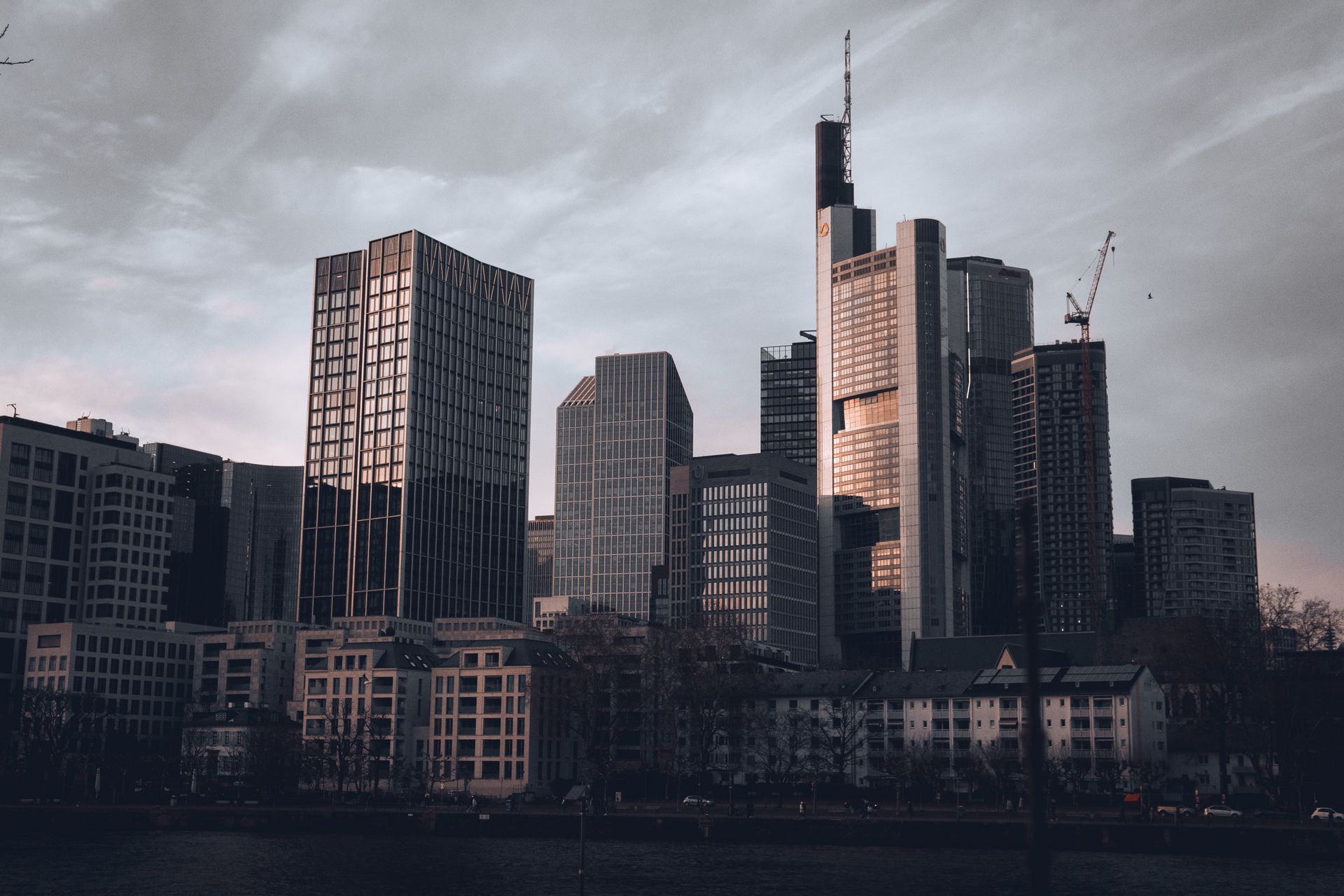 Photo: Fabio Riccobono / Pexels
Revised Eurostat data show that the eurozone economy contracted 0.2% in the first three months of the year compared with the previous quarter. The figure presents a weaker picture than the earlier 0.1% estimate. On an annual basis growth was limited.
The data show that the decline in German industrial output had a marked effect on the bloc's overall performance. In Italy, the slowdown in domestic consumption stood out. Economists argue that energy-price uncertainty created by the Middle East conflict has been delaying investment decisions.
These readings are expected to weigh in the European Central Bank's policy rate discussion at its June meeting. Investing.com reports that the market is starting to price a more cautious growth outlook in the near term. PMI and retail sales data due in the coming weeks will give further clues on the trend's direction.
More from Europe

Turkish Finance Minister Simsek: We will continue policies aligned with our permanent price-stability target
Following Turkey's May inflation release, Finance and Treasury Minister Mehmet Simsek said policies aligned with the country's permanent price-stability goal will continue. Annual inflation came in at 32.61%. Simsek said the disinflation process will continue with discipline.
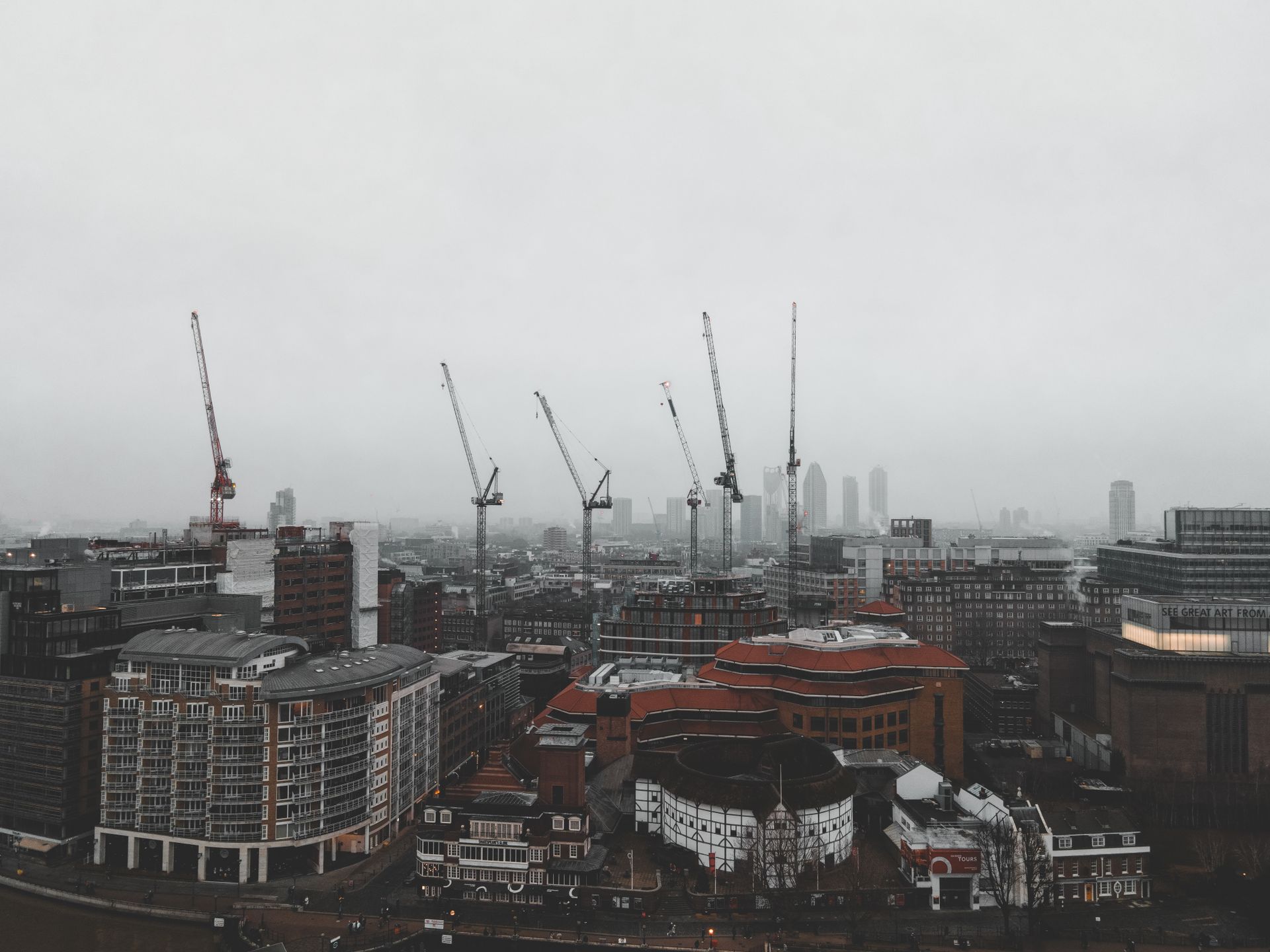
UK construction output falls at fastest pace in six years
UK construction output recorded its fastest contraction in six years. High borrowing costs, weak housing demand and delayed private-sector projects are among the factors deepening the decline.

Turkey's Simsek targets top-five global ranking in Islamic finance
Treasury and Finance Minister Mehmet Simsek said Turkey is aiming to be among the world's top five Islamic-finance markets. Reaching the target, he said, requires building resilience and stronger financial buffers.